The spring dresses worth buying are midis and shirt dresses in light cotton or viscose, in florals, gingham or soft colors, because they layer under a trench in March and go bare-armed by May. Choose sleeves you can push up and a hem that works with flats and sneakers.
Updated Oct 29, 2026 · By Jenisha Jonchhe
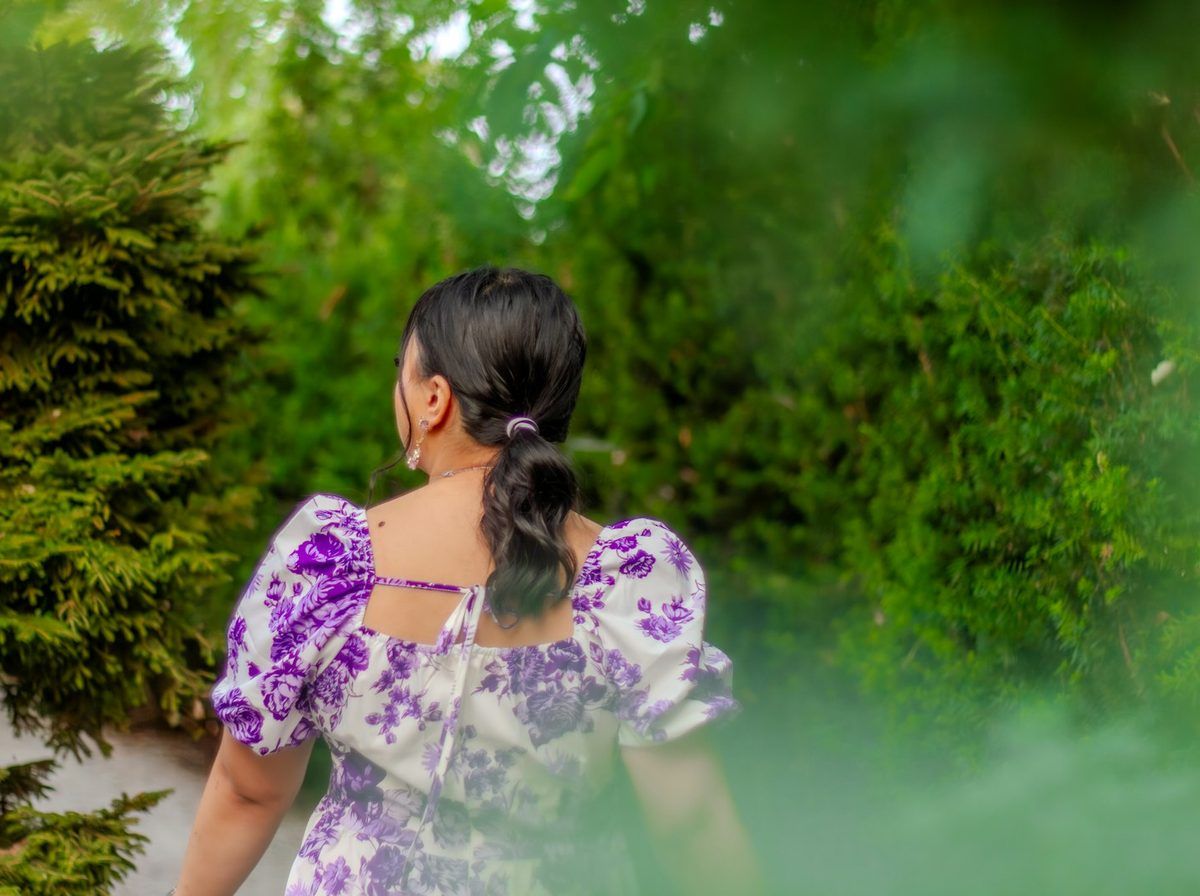
Photo: Cord Allman on Unsplash
This page may contain affiliate links. If you buy something through one, we may earn a commission at no extra cost to you. Read our affiliate disclosure.
A crew-neck A-line midi with petal short sleeves, a pleated skirt and side pockets, in floral and dot prints.
A crew-neck A-line midi with ruffled petal short sleeves, an empire waist, a pleated flared skirt and two side pockets, in floral and dot prints. Listing details: polyester and spandex; sizes Small to 3X-Large; machine wash.
A pull-on gingham midi in rayon with puff sleeves, a square neck and a high waist.
A gingham midi with puff sleeves, a square neck and a high waist that pulls on. Listing details: rayon; sizes X-Small to XX-Large; machine wash in a laundry bag.
A short-sleeve collared shirt dress with buttons, an included belt and side pockets, in a midi length.
A short-sleeve V-neck shirt dress with a collar, button closure, an elastic waistband inside, an included belt and side pockets, in a midi length. Listing details: polyester; sizes Small to X-Large; machine or hand wash.
A lined A-line midi on adjustable spaghetti straps with a smocked back, offered in Yellow; the listing says the fabric is not see-through.
A lined A-line midi with adjustable spaghetti straps, a ruched waist and a smocked back; the listing says the fabric is not see-through. Listing details: polyester and elastane with polyester lining; sizes Small to XX-Large; zipper; machine wash.
A long-sleeve high-neck ribbed knit midi with ruching, in a knit the listing gives a moderate thickness.
A long-sleeve high-neck ribbed knit midi with ruching, in a jersey the listing gives a moderate thickness and high stretch. Listing details: polyester and elastane; sizes X-Small to X-Large; machine wash.
A long double-breasted trench with side pockets and a self belt with a metal buckle.
A long double-breasted trench with dropped shoulders, side pockets, adjustable buttons and a self-fabric belt with a metal buckle. Listing details: polyester; sizes X-Small to XX-Large; machine wash.
Round-toe ballet flats with a memory foam insole and a 1/4-inch heel, in sizes 5 to 15 with wide widths listed.
Round-toe ballet flats with a memory foam insole, a 1/4-inch heel and a flexible sole the listing describes as non-slip. Listing details: faux leather upper, synthetic sole; sizes 5 to 15, with wide widths listed.
Every pick on this page comes from Amazon listing information, not a try-on. Fiber, length, sleeves, closures and sizes are as each listing states them, and a color is named only when the listing offers it. LookerDress hasn't worn or washed any of these pieces, and the list isn't ranked. Check each brand's size chart before you order.
What the evidence label on each pick means
Researched
selected from product information only; not tried on.
Buying considerations
The spring dresses worth buying are midis and shirt dresses in light cotton or viscose, in florals, gingham or soft colors, because they layer under a trench in March and go bare-armed by May. Choose sleeves you can push up and a hem that works with flats and sneakers.
Spring 2027 officially starts with the equinox on Saturday, March 20, but the weather rarely follows the calendar. The best spring dress is the one that handles a cold morning and a warm afternoon on the same day. Here are the six styles that do that, plus how to layer them, which shoes to wear and which ones carry on into summer.
Spring dresses for women: six styles that work
A good spring dress is light enough for a sunny afternoon and plain enough to wear under a jacket. These six cover work, weekends and the events that fill up April and May.
Fabric is what makes a spring dress feel like spring. Cotton poplin, cotton voile, chambray, light linen blends and viscose are all light and breathable, and they move in a breeze. Heavier crepe, ponte and thick knits belong to fall and winter. If a description lists a fabric you don't know, look at how it hangs in the photos: a spring fabric drapes or swings, while a winter one holds a firm shape.
The floral midi
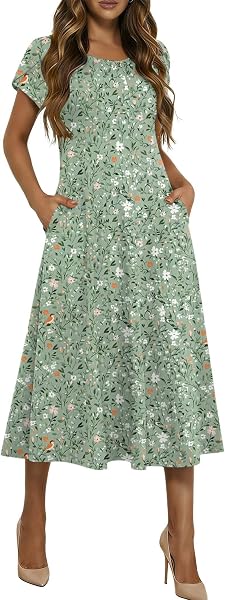
The floral midi is the spring dress almost everyone owns, and for good reason. It suits a brunch, a garden party, an office with a relaxed dress code and a weekend in town. Look for a small or medium print on a light cotton or viscose, with short or elbow sleeves and a hem around mid-calf.
Small prints read as more grown-up and easier to style; big, bold florals make more of a statement and look best with very simple shoes and bags. A dark-ground floral (navy, black or forest green with flowers) is the easiest to wear in March, and it works into fall too.
Gingham and checks
Gingham says spring without saying flowers. A small gingham in blue, black, green or red looks fresh and slightly retro, and it suits sundresses, puff-sleeve midis and shirt dresses alike.
Gingham is often a crisp cotton, which means it can crease. A little stretch in the fabric, or a seersucker version, helps with that. Keep the shoes simple: white sneakers, ballet flats or flat sandals.
The shirt dress
The shirt dress is the hardest-working spring dress. Button it all the way and belt it for the office; leave it open over a slip or jeans for the weekend; roll the sleeves when the afternoon warms up. Cotton poplin, chambray and light linen blends are the classic fabrics.
Check the button spacing at the bust in photos and in the description. A well-cut shirt dress closes smoothly without gaping, and a hidden placket or an extra button helps.
Soft yellow and other pale colors
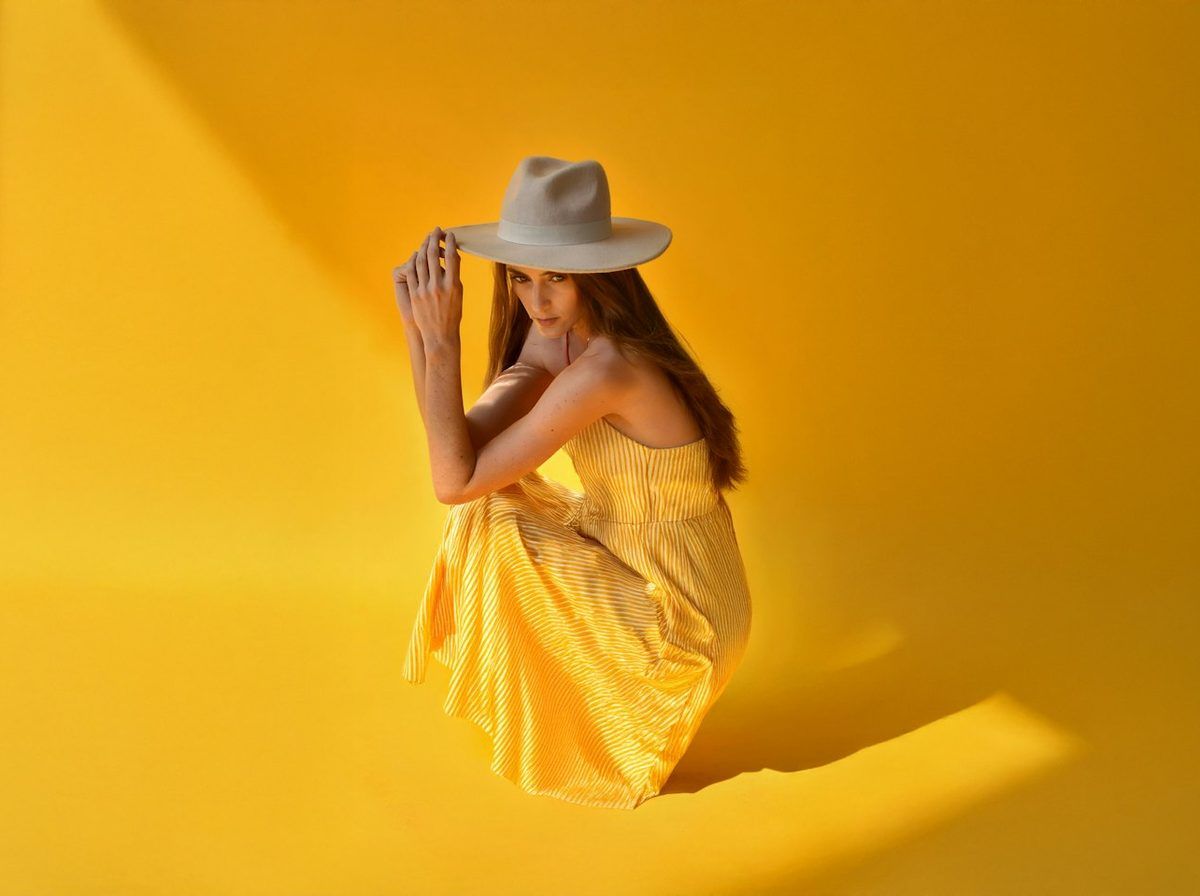
Pale colors look right in spring: butter yellow, powder blue, mint, lilac, blush. They feel lighter than black and navy without being as loud as summer brights.
Butter yellow is the easiest of the yellows to wear; butter yellow dresses covers who it suits and how to style it. Pastels also suit the season's dressier dates; Easter dresses has ideas for church, brunch and family photos.
The knit midi for cold mornings
A fine knit midi with long sleeves bridges winter and spring. In a light cotton or a fine merino blend, it's warm enough for a cold March morning and light enough to wear without a coat by noon. Choose a spring color like sage, cream or soft blue, and it stops looking like a winter dress.
It also makes the move from your winter wardrobe easier. If you already own winter dresses in fine knits, swap the opaque tights for sheer ones and the boots for loafers and they'll carry on into April.
A white spring dress
A white cotton or eyelet dress is a spring classic for everyday wear: weekend lunches, a park day, a vacation in April. Eyelet and broderie fabrics look fresh and have texture, so they don't look plain. Line or slip a white dress so it doesn't show through in sunshine.
White works best with tan, light denim, straw and gold. A navy or black cardigan gives it contrast on a cool evening.
Layering a spring dress for weather swings
Spring weather can swing a long way in a single day. Plan each outfit with one layer on top and one underneath, and you'll be comfortable from the morning commute to the evening.
A trench coat: the classic spring layer. It goes over everything from a floral midi to a knit, and a belted trench gives a shirt dress a sharp outline.
A denim jacket: the casual option. Cropped or classic length, it suits sundresses, gingham and anything with a full skirt.
A cardigan: fine-knit cardigans in cream, navy or a color from the print look neat over a dress, and you can tie one around your shoulders when it warms up. Wearing a sweater over a dress works too, in a fitted crewneck tucked or knotted at the waist.
Tights in March: sheer nude or sheer black tights keep a spring dress wearable on cold days. Swap opaque winter tights for sheer ones first, then go bare-legged when the temperature allows.
A light scarf in silk or cotton is the smallest layer of all, and it adds color to a plain dress.
Shoes for a spring dress
Three flat shoes cover nearly every spring dress, and they're kinder on long days than heels.
Ballet flats: the classic spring pairing with a midi or a shirt dress. A pointed toe looks sharper; a round toe looks softer. More on shapes and fits in ballet flats.
Loafers: smart and practical, especially with a knit midi, a shirt dress or anything with tights.
White sneakers: the easiest weekend pairing. Clean, low-profile sneakers work with florals, gingham and casual cotton dresses.
For dressier events, a block heel or a low slingback handles grass and cobblestones better than a stiletto. Knee boots still look good with a midi in early spring; ankle boots work into April with a shorter hem.
From spring into summer
Some spring dresses work right through summer; others are done by June.
Keep wearing: the floral midi, gingham, the shirt dress and the white cotton dress. Linen and light cotton only get better in the heat. Lose the layers, swap flats for sandals, and they're summer dresses.
Retire for now: the knit midi and anything in a heavier viscose or polyester crepe. Put them away with the tights and bring them back out in September.
For the hotter months, summer outfit ideas covers more ways to dress for the heat. If you're buying one dress this spring to last into summer, make it a light cotton or linen-blend midi with short sleeves: it'll cover more days than any other style here.
When should I start wearing spring dresses?
As soon as it's warm enough to drop the heaviest coat. Layer early with tights, a cardigan or a trench, and go bare-legged when the weather allows.
Can you wear a spring dress with tights?
Yes. Sheer nude or sheer black tights suit most spring dresses in March and early April.
What colors are popular for spring?
Pastels and florals are the steady spring choices, alongside white, navy and soft greens. Wear the shades that suit you rather than chasing a single color.
Are midi dresses good for spring?
Yes. A midi layers easily under a coat, works with flats and sneakers, and carries into summer.
Jenisha Jonchhe is a New York-based fashion writer and designer with academic training in fashion design and postgraduate study focused on fast fashion. At LookerDress, she creates practical, research-led content covering occasion dressing, dress codes, fit and sizing, fabrics, seasonal trends, styling and product comparisons. Her fashion background helps her assess garment construction, silhouette, materials, wearability and styling suitability. She translates this knowledge into clear, accessible guidance that helps readers make more informed clothing and accessory choices. Jenisha's articles distinguish between editorial research and products that have been personally examined or tested. Product details, sizing information and availability are checked against current retailer information before publication. Areas of expertise: fashion design, fast fashion, garment construction, dress styling, fabrics, fit and sizing, trend analysis and fashion buying guides.
Academic training in fashion design; postgraduate study focused on fast fashion.
Butter yellow is a soft pale yellow with a creamy, warm cast, gentler than lemon or sunflower. It suits most skin tones better than brighter yellows, and it looks best with cream, white, tan and gold rather than black.
For a spring wedding, wear a floral or pastel dress in a light fabric (chiffon, satin, crepe) at the length the dress code asks for. Early spring needs sleeves or a wrap; by late April, sleeveless midis and maxis are usually warm enough.
For a garden party, wear a light daytime dress (a floral midi, a tea-length dress or a pastel satin midi) with block heels, wedges or flats that won't sink into the lawn. Add a hat or a fascinator if the invitation hints at it, and a light layer for later.