Wedding Reception Dresses: The Bride's Second Look
A wedding reception dress is a second, easier white look (often a mini, a slip or a jumpsuit) that a bride changes into after the ceremony or before the dancing starts. Choose it to contrast with the gown: short if the gown is long, simple if the gown is detailed, and always something you can move in.
Updated Oct 30, 2026 · By Jenisha Jonchhe
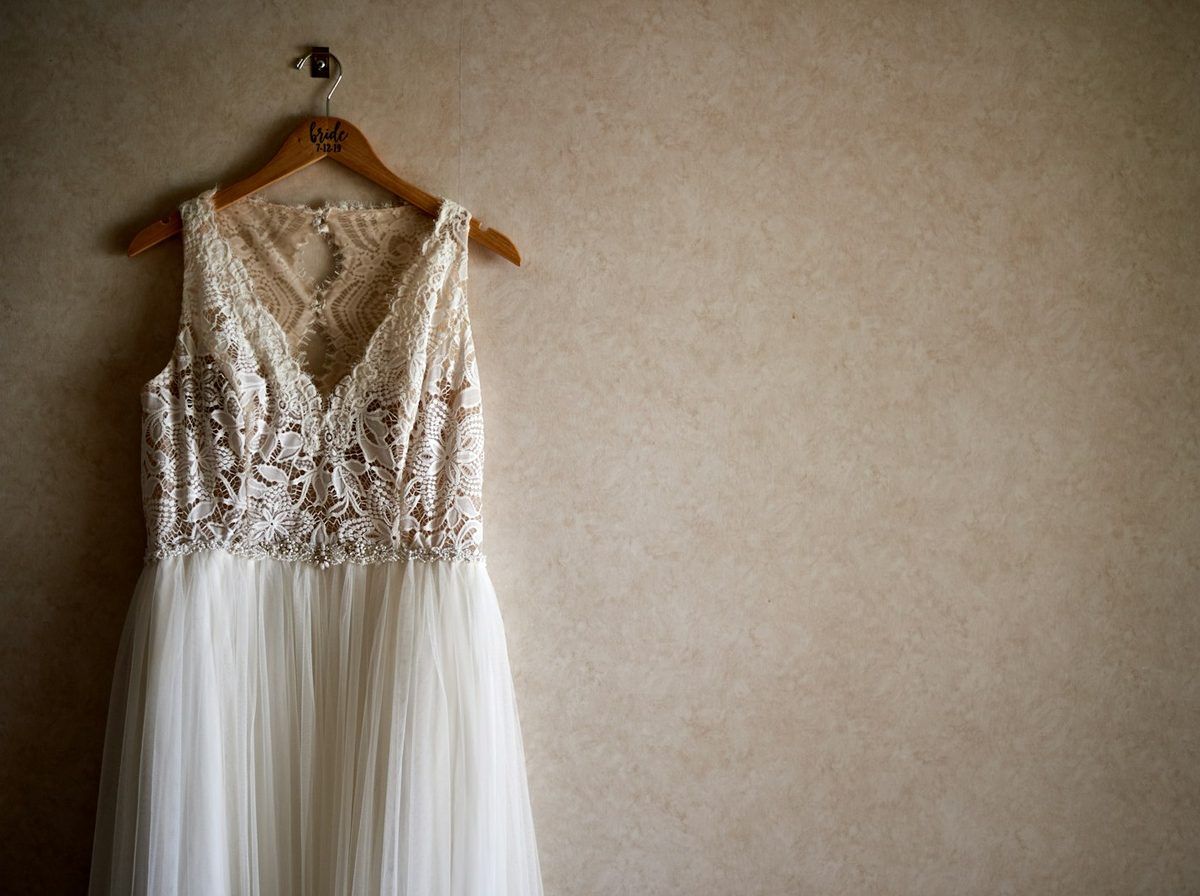
Photo: Cate Bligh on Unsplash
This page may contain affiliate links. If you buy something through one, we may earn a commission at no extra cost to you. Read our affiliate disclosure.
A satin mini with one long sleeve and a flowy fit, offered in White; the listing says it is not see-through.
A satin mini with a high neckline, one long sleeve, a back cut-out and a flowy fit; the listing says it is not see-through. Listing details: polyester; sizes X-Small to X-Large; zipper; hand wash cold.
A dress with a sequin top and a layered satin high-low skirt, offered in White; the listing says it is fully lined.
A sleeveless double V-neck dress with a sequin top and a three-layer satin skirt with a high-low hem; the listing says it is fully lined. Listing details: nylon and spandex with polyester lining; sizes X-Small to XX-Large; zipper; hand wash only.
A high-waisted V-neck wide-leg jumpsuit with chiffon sleeves and a hidden back zipper, offered in White.
A dressy V-neck jumpsuit with wide legs, a high waist, chiffon sleeves and a hidden back zipper, in polyester with elastane, sizes Small to XX-Large, per the listing. Machine wash.
A 1920s-style midi slip dress with sequins, beads and fringe, offered in White; the listing says it is fully lined.
A 1920s-style V-neck slip dress with sequins, beads and fringe, adjustable straps and a midi length; the listing says it is fully lined. Listing details: polyester; sizes X-Small to 5X-Large Plus; zipper; hand wash only.
Roll-up ballet flats that pack into a carry pouch; the listing describes the sole as anti-slip.
Roll-up ballet flats with a flexible rubber sole and a matching carry pouch; the listing describes the sole as anti-slip. Listing details: PU upper, suede lining; sizes Small to XX-Large.
Picks on this page come from Amazon listing information and were not tried on. A dress is suggested as a white look only when its listing offers white or ivory, and lining and fabric details are the listing's own. Sizes, colors and stock change, so check them on Amazon before you order.
What the evidence label on each pick means
Researched
selected from product information only; not tried on.
Buying considerations
A wedding reception dress is a second, easier white look (often a mini, a slip or a jumpsuit) that a bride changes into after the ceremony or before the dancing starts. Choose it to contrast with the gown: short if the gown is long, simple if the gown is detailed, and always something you can move in.
The gown is for the aisle and the portraits. The reception dress is for everything after: dinner, speeches, the dance floor and the send-off. Here's why brides change, which styles work, when to make the switch and how to plan it so it takes no time from the party.
Why brides change for the reception
A second look wedding dress solves practical problems as much as it adds a fun moment. A long train is hard to dance in, even bustled. A structured, heavy gown gets hot in a crowded room. And a full skirt makes hugging, sitting at a long table and moving between guests harder than it needs to be.
There's also the mood. A short, sparkly or sleek reception dress changes the energy of the evening, and it gives you a second set of photos that look completely different from the ceremony. Some brides plan it from the start; others decide when they realize how much they want to dance.
Wedding reception dress styles
A wedding reception dress is usually white or ivory to keep the bridal feel, but lighter, shorter or simpler than the gown. These four styles cover most second looks.
Start from the gown and choose the opposite. A long, full ball gown pairs well with a short, sleek mini. A simple satin column gown pairs well with something textured, like feathers, sequins or beading. A lace gown with long sleeves pairs well with a strapless or slip-style second look. The contrast is what makes the change feel worth it, in the room and in the photos.
Think about the venue and the season as well. A summer garden reception suits a light, short dress; a winter ballroom suits sparkle, long sleeves or a jumpsuit with a little shine.
A white satin mini
A white satin mini is the easiest reception dress to move in. It's light, it's short enough to dance without worrying about a hem, and satin looks elegant under evening light. A straight neckline, a square neck or a simple strap keeps it clean; a bow or a puff sleeve makes it playful. If your gown is detailed, with lace or beading, a plain satin mini is a sharp contrast.
Look for a lining (or a listing that says the fabric isn't see-through) and a zip that's easy to do up quickly during a busy evening.
Feathers or sequins
Feathers and sequins turn the reception into a party. A white sequin mini catches every light on the dance floor; a feather hem or feather cuffs look glamorous and fun. They're especially good for an evening or December wedding, when sparkle feels seasonal. For more ideas with the same party mood, see New Year's Eve outfits.
Sequins can scratch the inside of your arms, so check whether the listing mentions a full lining.
A white jumpsuit
A white jumpsuit is a great second look if you want to move freely without thinking about a hemline. A wide-leg jumpsuit in crepe looks sleek and modern; a jumpsuit with a sheer overskirt or a cape adds drama for the entrance. It also suits a bride who'd rather wear trousers for the party.
Check the closure: a back zip is quicker than a row of buttons, which matters when you're changing in a hurry.
A beaded slip dress
A beaded slip dress is the elegant middle ground: lighter and easier than a gown, but still special. A midi or maxi slip with fine beading or embellishment moves beautifully on the dance floor and looks just as good at a formal dinner. It's a good choice if you want a long second look rather than a mini.
When to change
There's no single right moment. Choose the one that fits your day:
After the ceremony, if the gown is heavy or the reception is far from the ceremony venue. You'll be comfortable all evening, and the gown gets its full moment in the portraits.
After dinner, before the first dance, for a grand re-entrance that changes the energy in the room.
For the send-off or the last hour, if you want the gown for most of the night and something lighter for the end.
Whatever you choose, ask your planner or coordinator how long the change will realistically take, since it depends on the gown's fastenings and your hair. Build that time into the schedule so you don't miss anything.
A bride after party dress is a third look for the after-party, if there is one: even more comfortable and more playful than the reception dress. Think a white mini with sneakers, a satin set, a white tracksuit or a fun slogan top with white jeans. It's the outfit for the late-night bar, the hotel suite or the pizza run.
If you liked a look from the bachelorette party outfits, the after-party is a good time to wear it again.
Shoes for dancing
Your reception shoes should be the most comfortable you own that still look right with the dress. Ballet flats in white satin or a metallic finish are easy to dance in all night. Low block heels are steadier than the stilettos you might wear for the ceremony. And white sneakers with a satin mini look fun and modern, especially for the after-party.
Hair can change too. If your ceremony style was down or held with a veil, a sleek ponytail or a low bun with a pearl hair clip keeps hair off your neck while you dance.
Planning the change
The change goes fastest when one person owns it. Pick a helper (a bridesmaid, a family member or the coordinator) to deal with fastenings and bustles, and agree who takes the gown home in its garment bag.
Then pack a small kit for the switch: the second dress, steamed with a travel steamer or hung in the bathroom while someone showers; the shoes; any jewelry swaps; pins and a clip for the new hairstyle (ask your stylist how to change it quickly); lipstick, a phone charger and a snack.
Last, do a timed practice change a week before the wedding, with your helper. The real one will be faster and calmer for it.
FAQ
Does a reception dress have to be white?
No. White and ivory keep the bridal feel, but a reception dress in blush, silver, gold or a bold color is just as right if you love it.
Can a reception dress be long?
Yes. A simpler, lighter maxi or a beaded slip without a train works well if you'd rather stay long but want to move more freely.
How long does it take to change into a reception dress?
It depends on the gown's fastenings, your hair and how many people are helping. Ask your planner, then do a practice change to know your own time.
Should a guest wear white to the reception?
No. The same rule applies as at the ceremony: guests leave white and ivory to the bride.
Share this guide
Written by
Jenisha JonchheFashion Writer and Designer
Jenisha Jonchhe is a New York-based fashion writer and designer with academic training in fashion design and postgraduate study focused on fast fashion. At LookerDress, she creates practical, research-led content covering occasion dressing, dress codes, fit and sizing, fabrics, seasonal trends, styling and product comparisons. Her fashion background helps her assess garment construction, silhouette, materials, wearability and styling suitability. She translates this knowledge into clear, accessible guidance that helps readers make more informed clothing and accessory choices. Jenisha's articles distinguish between editorial research and products that have been personally examined or tested. Product details, sizing information and availability are checked against current retailer information before publication. Areas of expertise: fashion design, fast fashion, garment construction, dress styling, fabrics, fit and sizing, trend analysis and fashion buying guides.
Academic training in fashion design; postgraduate study focused on fast fashion.
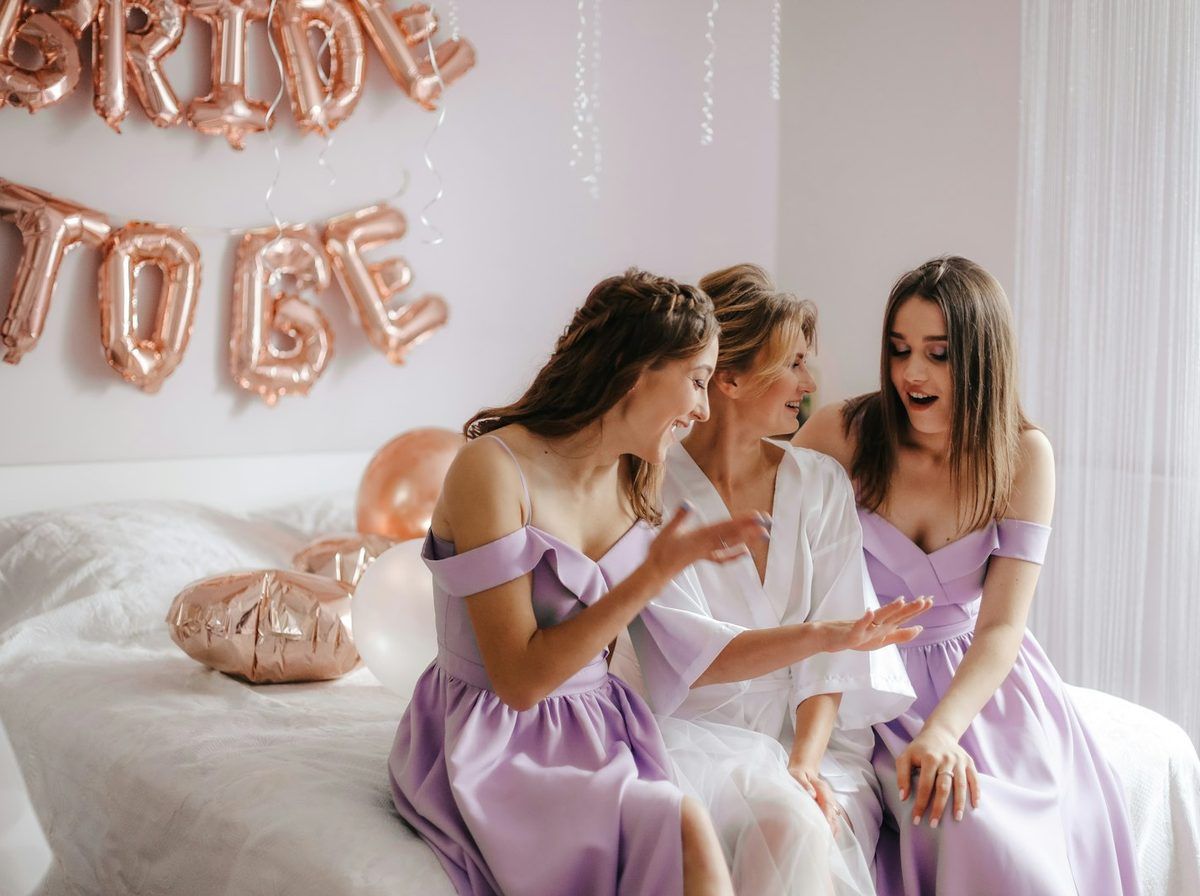
The bride usually wears a white or ivory day dress to her bridal shower, and guests wear a pretty daytime dress in any color but white. Think brunch or garden party: midi or knee length, light fabrics, low heels.
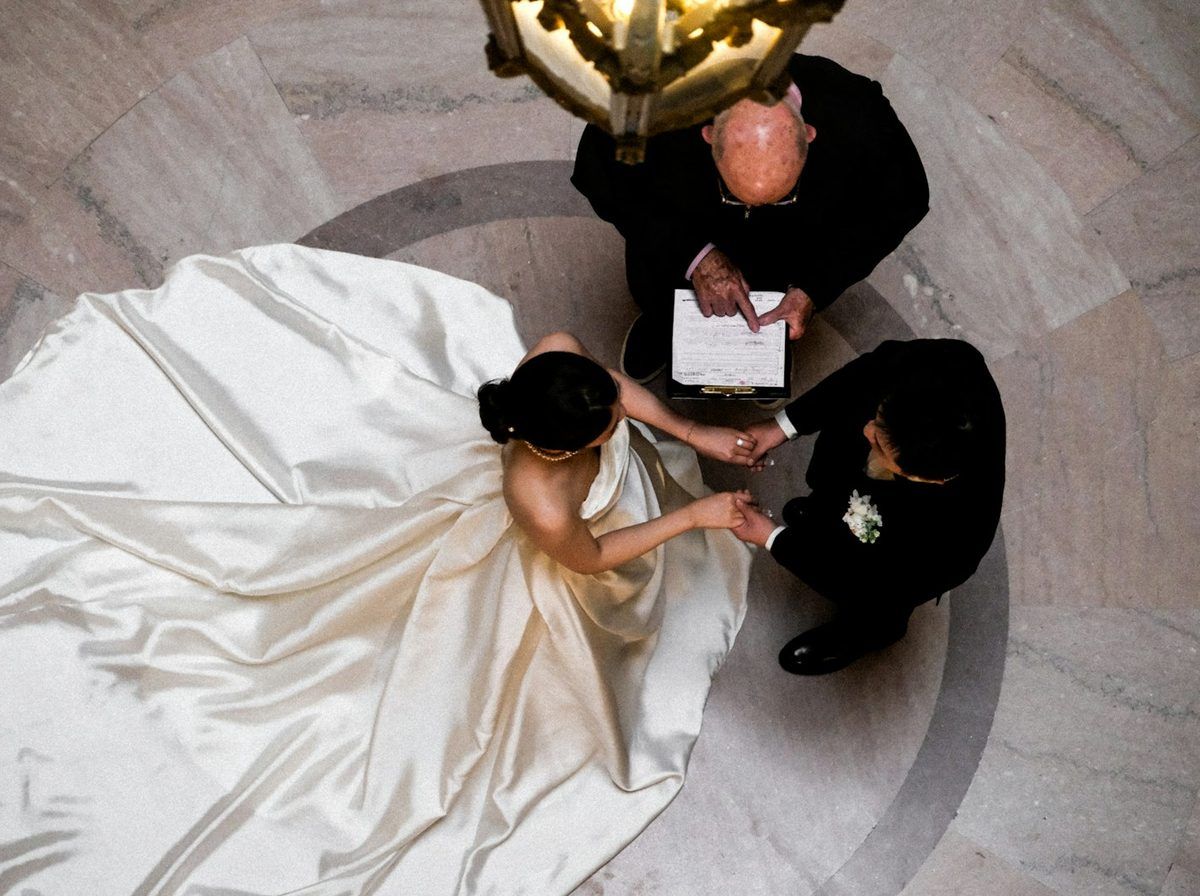
For a courthouse wedding, many brides choose a white or ivory dress in midi or short length, or a white suit or jumpsuit, simple enough for a clerk's office and still clearly bridal. Pick something you can sit, climb steps and stand in line in, then add one bridal detail like pearls, a veil clip or a bouquet.
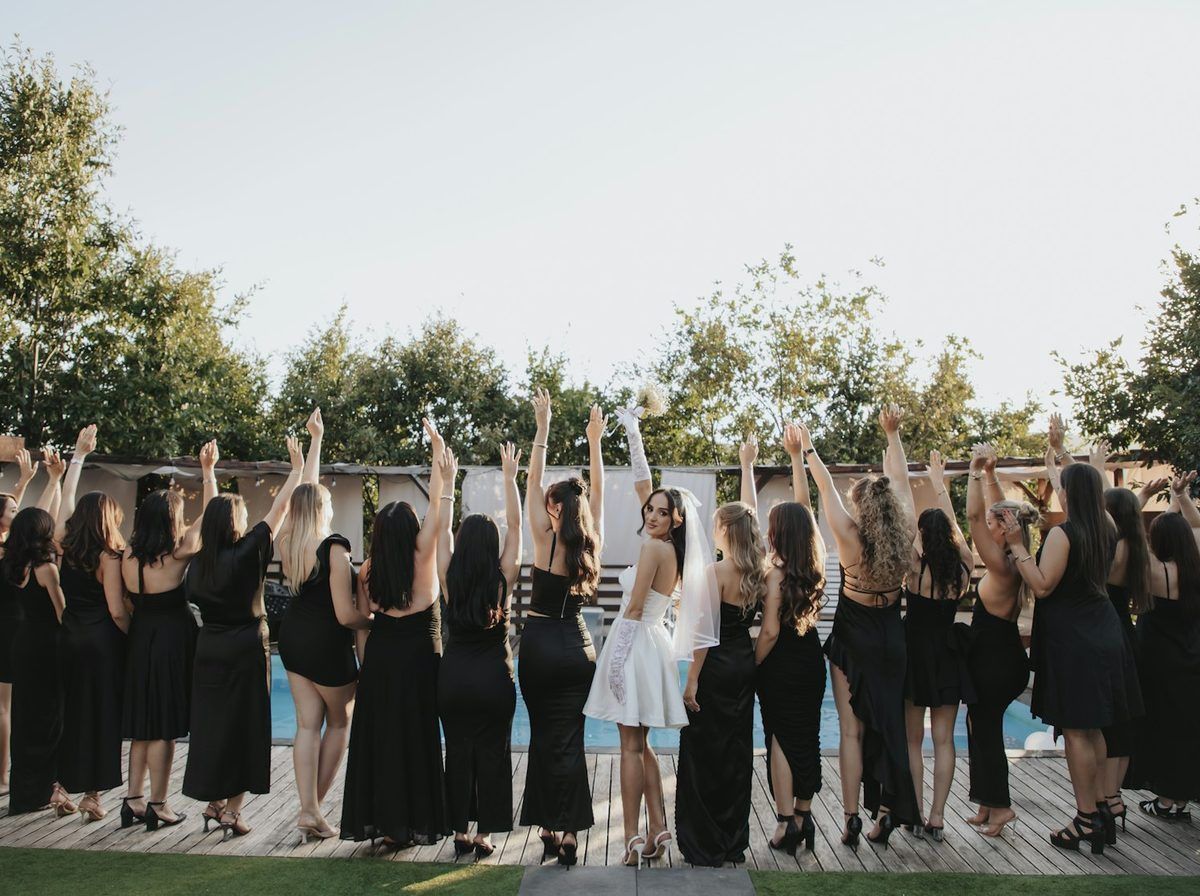
The bride usually wears white (a white mini, satin slip or matching set) and the group dresses to a shared theme, color or vibe so the photos look planned. Choose outfits by the plan: a night out wants sequins and heels you can dance in, a beach weekend wants sets and sandals.