Affordable Wedding Dresses: Simple Gowns on a Budget
An affordable wedding dress is usually a simple ready-to-wear gown in satin, crepe or light lace, bought from a bridesmaid line, a sample sale, a secondhand site or a marketplace, then hemmed by a local tailor. Clean lines cost less than heavy beading and layers, and the money you save can go to alterations, which matter more to how a dress looks than the label does.
Updated Oct 25, 2026 · By Jenisha Jonchhe
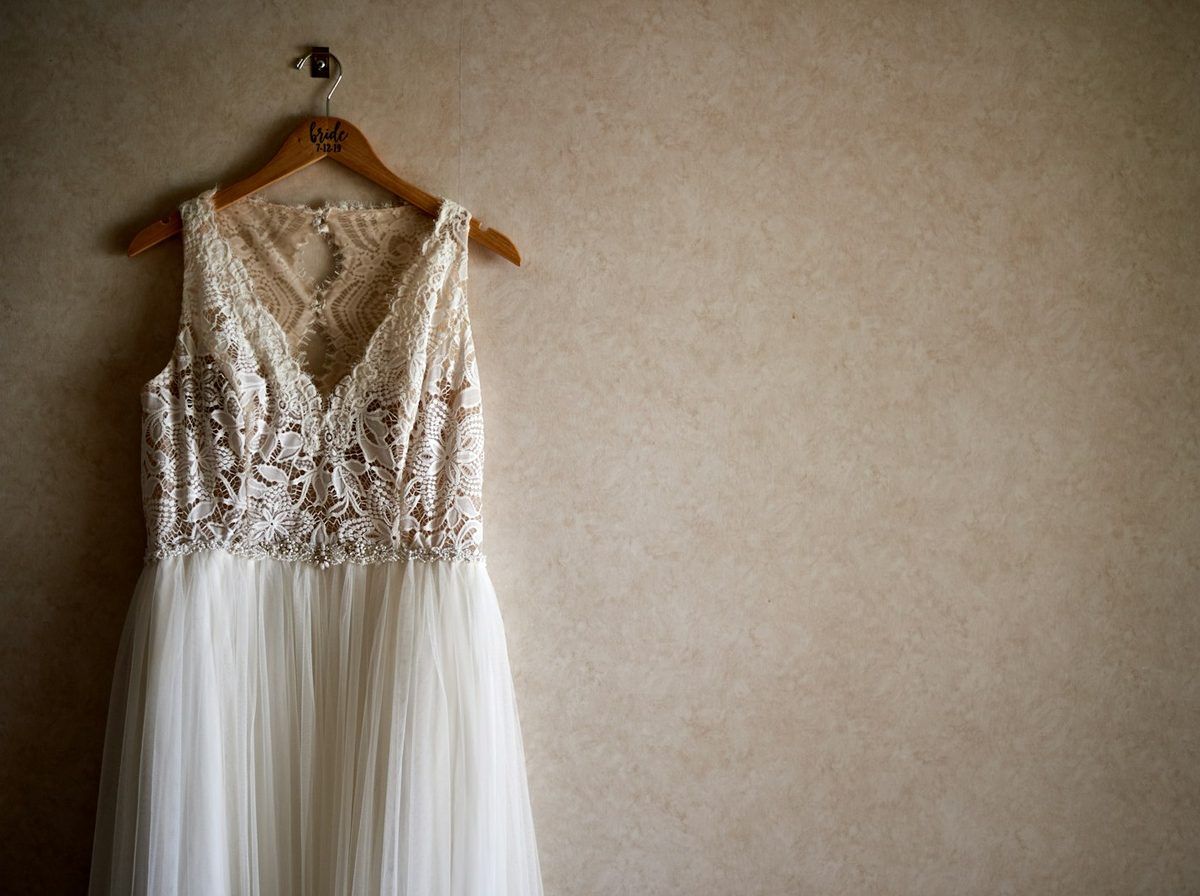
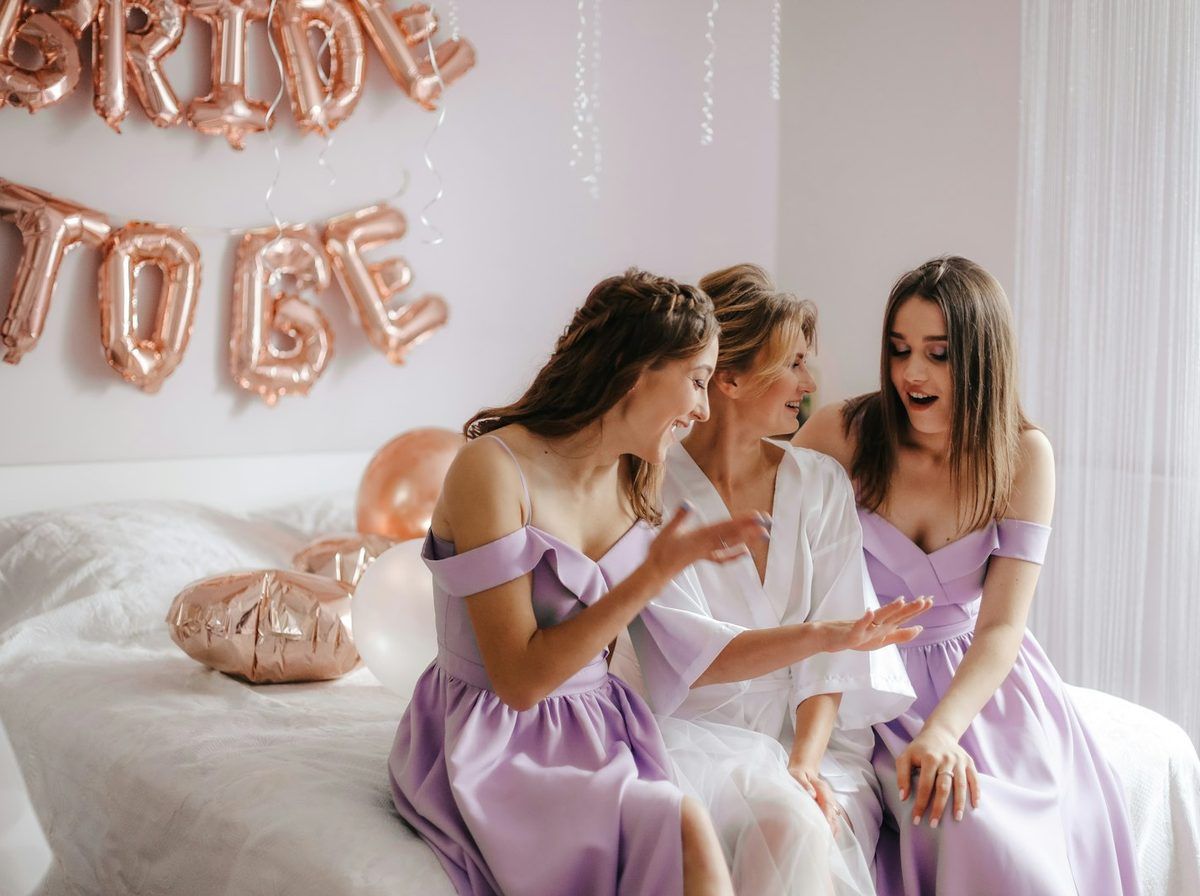
Photo: Lucas T Photography on Unsplash
This page may contain affiliate links. If you buy something through one, we may earn a commission at no extra cost to you. Read our affiliate disclosure.
A sleeveless bridal gown, floor length with a sweep train and a mermaid skirt, lined and padded, with a zipper, offered in White. Sizes 2 to 26.
A sleeveless double-V-neck bridal gown, floor length with a sweep train, a mermaid skirt and a side slit, lined and padded, with a zipper, offered in White. Listing details: polyester; sizes 2 to 26; hand wash only.
A full-length A-line lace dress with sheer lace ruffle sleeves, full lining and a concealed zipper, offered in White. Sizes Small to XX-Large.
A full-length A-line dress in eyelash lace with sheer lace ruffle sleeves, a deep V neck, full lining and a concealed back zipper, offered in White. Listing details: nylon and rayon; sizes Small to XX-Large; machine wash in a laundry bag.
A one-tier cut-edge veil on a metal comb; the fingertip version is about 39 inches, and the listing offers it in light ivory and white.
A one-tier cut-edge bridal veil sewn onto a flexible metal comb, offered from elbow to cathedral length; the fingertip version is about 39 inches. Listing details: offered in light ivory and white; hand wash.
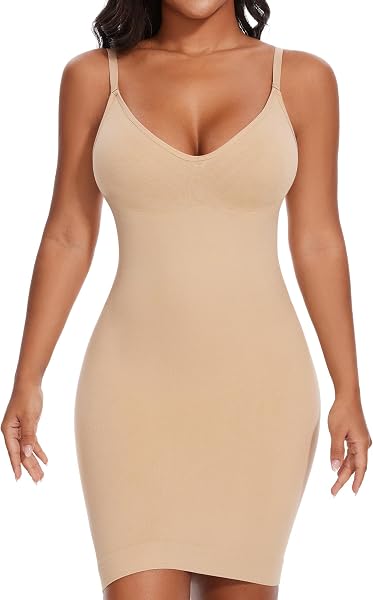
A strapless full slip in nylon and spandex, offered in White, in sizes Small to XX-Large; the listing describes it as light tummy control.
A strapless full-slip shapewear dress in nylon-spandex with adjustable straps; the listing describes it as giving light tummy control. Listing details: sizes Small to XX-Large; hand wash only.
Picks for this guide come from Amazon listing information, and none of them has been tried on. Fabric, length, lining and size range are what each listing states, and a white or ivory option is named only where the listing offers it. Prices change, so check the current price at checkout and read the return policy before you order a wedding dress online.
What the evidence label on each pick means
Researched
selected from product information only; not tried on.
Buying considerations
An affordable wedding dress is usually a simple ready-to-wear gown in satin, crepe or light lace, bought from a bridesmaid line, a sample sale, a secondhand site or a marketplace, then hemmed by a local tailor. Clean lines cost less than heavy beading and layers, and the money you save can go to alterations, which matter more to how a dress looks than the label does.
A beautiful wedding dress doesn't need a bridal salon price tag. This guide covers where budget gowns come from, what a modest budget usually gets you, which shape suits the wedding you're planning, and how to make a simple dress look unmistakably bridal.
Where affordable wedding dresses come from
A budget wedding dress can come from several places, and each has its own trade-offs:
Ready-to-wear and bridesmaid lines. Many bridesmaid and evening collections offer their gowns in white or ivory. You get a simple, well-cut dress without bridal markup, often with quicker delivery than a salon order.
Sample sales. Bridal shops sell the gowns brides tried on in store, usually at a reduction. Sizes are limited and the dress may need cleaning, but you can try it on.
Secondhand and resale sites. Worn-once wedding dresses are sold on by their owners. Ask for measurements, not just the size label, and close-up photos of the hem, seams and any marks.
Rental. Renting a gown makes sense if you won't keep it. Check what happens if it's stained and how long you have it.
Online marketplaces. The widest choice and the most variation. Cheap wedding dresses on marketplaces can be lovely or disappointing; the listing's fabric and lining details tell you which. A listing that names the fabric, says the dress is lined and gives measurements is a better bet than one with only photos.
Whichever route you take, read the return policy before you pay. A wedding dress is one purchase where you want the option to send it back. If you can, try on a few shapes in any store first, even an ordinary department store, so you know which silhouette suits you before you shop online or secondhand.
Wedding dresses under 500: what that budget usually buys
If you're looking at wedding dresses under 500 dollars, here's what that kind of budget generally gets you. These are general patterns, not promises for any one dress, and prices change all the time.
Simple satin slip and column gowns. Clean, bias-cut or straight shapes with little or no embellishment.
Crepe sheaths and fitted gowns. Smooth, modern and flattering, with the fabric doing the work.
Lace A-lines with fewer layers. A lace overlay on a lined skirt rather than several layers of tulle.
Less hand beading. Heavy beading and embroidery add a lot of cost. Machine lace or a plain fabric keeps the price down.
What it usually doesn't buy: a cathedral train, a heavily structured corset bodice, or custom changes to the design. A tailor can still adjust the fit, which is where a simple dress starts to look expensive.
Picks by the wedding you're having
Choose the shape for the wedding, not the other way round. A cathedral train looks out of place at city hall, and a short dress can feel underdressed in a big church.
Simple satin gown
A floor-length satin gown suits a formal or evening wedding. Satin has a soft sheen that looks elegant in candlelight and in photos, and a simple cut lets it shine. Look for a lined dress, a zip or lace-up back you can adjust, and built-in cups if you don't want to wear a bra. Our guide to rehearsal dinner dresses covers shorter satin styles if you want a second look for the night before.
Crepe sheath or column
A crepe sheath or column is the modern choice: sleek, minimal and comfortable. It works from a city hall ceremony to an evening reception in a loft or restaurant. Crepe has a matte surface and a little weight, so it skims the body without clinging. Add a statement earring or a long veil and it looks clearly bridal.
Lace A-line
A lace A-line is the traditional pick for a church or garden wedding. The fitted bodice and flared skirt suit most body shapes, and lace looks romantic in daylight. Check the lining: an unlined lace skirt will be see-through in the sun. Sleeves, from cap to long, make it work for a church that prefers covered shoulders.
White midi
A white midi dress suits a courthouse wedding, an elopement or a second look for the reception. It's comfortable, easy to move in and simple to wear again after the day. Choose a solid white or ivory in crepe, satin or textured fabric. Our guides to courthouse wedding dresses and to changing into a reception dress have more ideas.
Budget for alterations first
Set aside part of your budget for a tailor before you choose the dress. A ready-to-wear gown almost always needs something: a hem for your height and shoes, straps taken up, the waist taken in, or a bustle added so you can lift the train for dancing. Good alterations are what make a simple dress look made for you.
Order early enough to leave time for the dress to arrive, for a return if it doesn't work, and for at least one or two fittings with a tailor. Bring the shoes and undergarments you'll wear on the day to every fitting.
Making a simple dress look bridal
A simple dress becomes a wedding dress with the right finishing touches:
A veil. Nothing says bride faster. A fingertip veil suits most dresses; a cathedral veil adds drama to a plain gown.
Smooth undergarments. A shaping slip or shorts gives a clean line under satin and crepe.
Earrings.Pearl earrings are a classic bridal choice, from small studs to drops.
Shoes. Satin pumps, block heels or dressy flats in white, ivory or metallic.
Hair. A low bun, soft waves or a hair accessory.
The same approach works for the events around the wedding. A white dress for the shower or the rehearsal can come from the same budget-friendly sources; our guide to bridal shower dresses has ideas. Browse more by price in dresses by budget.
Then work in this order: buy the dress, unpack it the day it arrives and try it on with your wedding shoes, decide while you can still send it back, and only then book your tailor for the first fitting.
How far ahead should I buy a budget wedding dress?
Early enough to allow for delivery, a possible return and at least two fittings with a tailor. Give yourself more time if you're buying online or secondhand.
Can a bridesmaid dress be a wedding dress?
Yes, when the line offers it in white or ivory. Many bridesmaid gowns are simple, well-cut and lined, and with a veil they look fully bridal.
Is a secondhand wedding dress worth it?
Often, yes. Ask the seller for measurements and close-up photos of the hem, seams and fabric, and budget for cleaning and alterations.
How much do wedding dress alterations cost?
It depends on the dress and the work needed, and tailors set their own prices. Ask for a quote before you buy, especially if the gown needs a big hem or a bustle.
Share this guide
Written by
Jenisha JonchheFashion Writer and Designer
Jenisha Jonchhe is a New York-based fashion writer and designer with academic training in fashion design and postgraduate study focused on fast fashion. At LookerDress, she creates practical, research-led content covering occasion dressing, dress codes, fit and sizing, fabrics, seasonal trends, styling and product comparisons. Her fashion background helps her assess garment construction, silhouette, materials, wearability and styling suitability. She translates this knowledge into clear, accessible guidance that helps readers make more informed clothing and accessory choices. Jenisha's articles distinguish between editorial research and products that have been personally examined or tested. Product details, sizing information and availability are checked against current retailer information before publication. Areas of expertise: fashion design, fast fashion, garment construction, dress styling, fabrics, fit and sizing, trend analysis and fashion buying guides.
Academic training in fashion design; postgraduate study focused on fast fashion.
The bride usually wears white (a white mini, satin slip or matching set) and the group dresses to a shared theme, color or vibe so the photos look planned. Choose outfits by the plan: a night out wants sequins and heels you can dance in, a beach weekend wants sets and sandals.
A wedding reception dress is a second, easier white look (often a mini, a slip or a jumpsuit) that a bride changes into after the ceremony or before the dancing starts. Choose it to contrast with the gown: short if the gown is long, simple if the gown is detailed, and always something you can move in.
The bride usually wears a white or ivory day dress to her bridal shower, and guests wear a pretty daytime dress in any color but white. Think brunch or garden party: midi or knee length, light fabrics, low heels.