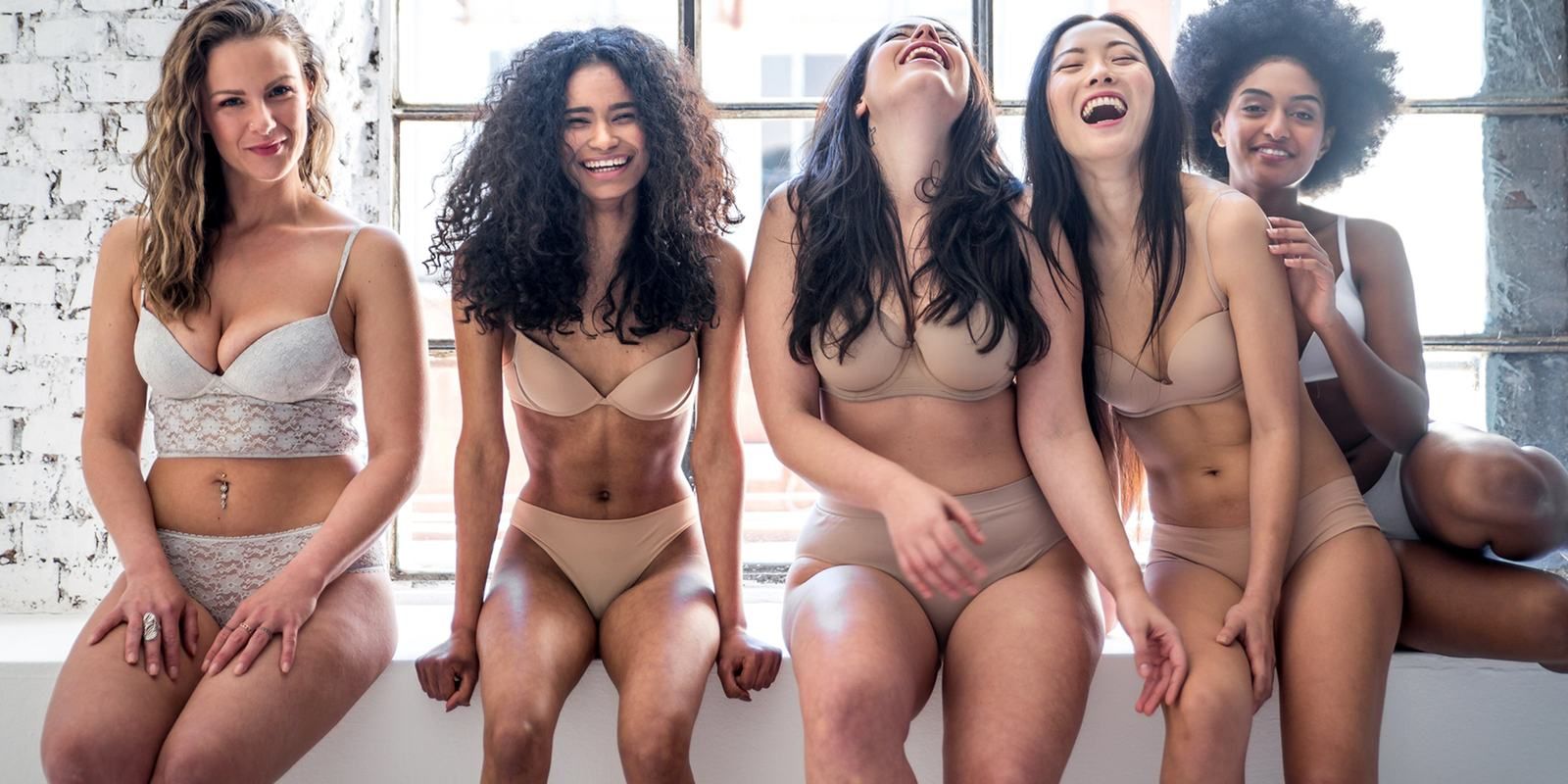
For daily wear, choose cotton. It breathes, absorbs moisture and is gentle on skin. Other fabrics have their uses, though: silk for special occasions, synthetics for the gym, and a few you should treat with caution.
Fabric matters because underwear sits against sensitive skin for hours. Fabrics that trap heat and moisture can be uncomfortable and, for some people, can make irritation or infection more likely. If you have recurring problems, talk to a doctor.
Natural fabrics
Cotton
Cotton is the standard for a reason. It's soft, breathable, absorbent and easy to wash, so heat and moisture don't build up. That's why it's the fabric most commonly advised for daily wear, or at least for the crotch lining.
Look for all-cotton underwear, or a cotton gusset (the panel that touches skin) if the rest is blended.
Silk
Silk is smooth, light and feels great on skin. It's naturally gentle, and it can pull moisture away from the body. It's also expensive and needs careful washing, usually by hand or on a delicate cycle.
It's a good choice for special occasions or occasional wear, less so as a daily staple.
Linen
Linen comes from the flax plant. It's strong, breathable and dries quickly, and it gets softer with every wash. It's cooler than cotton in hot weather.
It's less common in underwear, so you may have to look harder, but it's a good option for summer and holds up well to repeated washing.
Hemp
Hemp is tough, absorbent and breathable, and it is often described as needing less water and fewer pesticides than cotton. Like linen, it softens with use.
Few brands make hemp underwear, so choices are limited and prices can be higher.
Bamboo Viscose
Bamboo underwear is soft and stretchy, and it's sold as a more sustainable pick. But the fabric is a processed viscose (rayon), not raw bamboo, and the chemical processing is a downside. It's soft and breathable, though, and many people find it comfortable.
Synthetic fabrics
Nylon
Nylon is a smooth, stretchy synthetic that dries quickly and resists wrinkles and shrinking. It gives that slick, seamless feel under tight clothes.
It doesn't breathe like cotton, so it's best for short wear or in blends with a cotton lining.
Spandex
Spandex (also sold as elastane or Lycra) is the stretch ingredient. It's mixed in small amounts with other fibers so underwear moves with you and keeps its shape. On its own it traps heat, so avoid underwear that's mostly spandex for long daily wear.
Polyester
Polyester is durable and dries fast. It's used in sportswear because it wicks sweat away from skin. It isn't as breathable as natural fibers, so it works best for exercise rather than all-day wear.
Mesh
Mesh is usually made of polyester, nylon or spandex and has tiny holes that let air through. It's light and stretchy, so it's often used in sport and in lingerie for date nights.
Lace
Lace is a delicate open-weave fabric made from cotton, nylon or sometimes silk threads. It looks good, but rough edges and scratchy trim can irritate sensitive skin. Pick lace with a soft, flat finish and a cotton lining, and save it for occasions.
FAQs
Is cotton better than nylon for underwear?
For daily wear, yes. Cotton is a natural fiber that breathes and absorbs moisture. Nylon is a synthetic that dries fast but holds heat. If you like nylon, choose pairs with a cotton gusset.
What's the best fabric for sports underwear?
Look for moisture-wicking synthetics such as polyester, nylon or blends, which dry quickly. Plain cotton soaks up sweat and stays damp, so it's less comfortable for exercise. Some people also like bamboo blends.
Share this guide
Written by
Jenisha JonchheFashion Writer and Designer
Jenisha Jonchhe is a New York-based fashion writer and designer with academic training in fashion design and postgraduate study focused on fast fashion. At LookerDress, she creates practical, research-led content covering occasion dressing, dress codes, fit and sizing, fabrics, seasonal trends, styling and product comparisons. Her fashion background helps her assess garment construction, silhouette, materials, wearability and styling suitability. She translates this knowledge into clear, accessible guidance that helps readers make more informed clothing and accessory choices. Jenisha's articles distinguish between editorial research and products that have been personally examined or tested. Product details, sizing information and availability are checked against current retailer information before publication. Areas of expertise: fashion design, fast fashion, garment construction, dress styling, fabrics, fit and sizing, trend analysis and fashion buying guides.
Academic training in fashion design; postgraduate study focused on fast fashion.
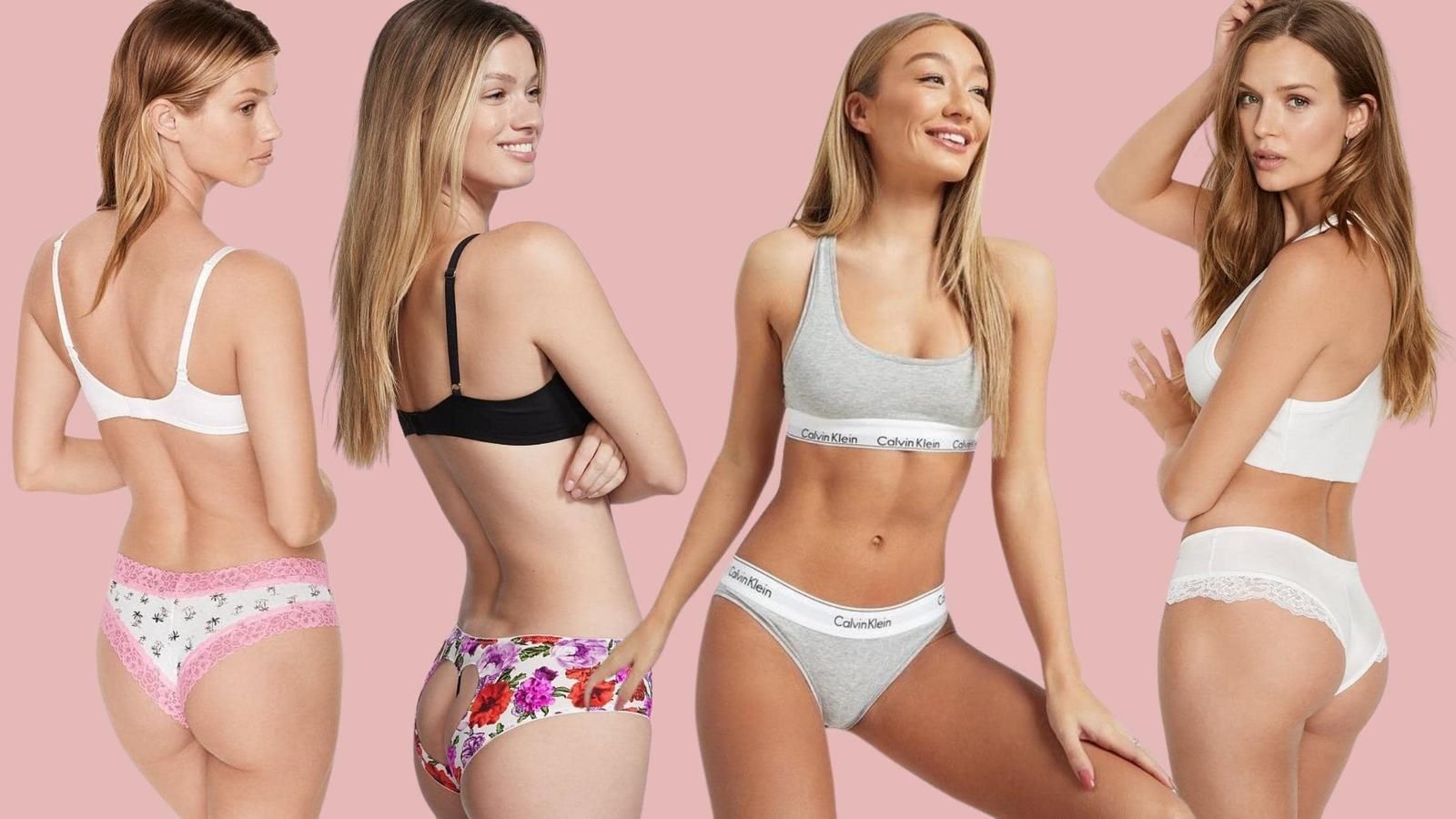
Seamless underwear swaps stitched elastic edges for laser-cut or bonded ones, so the edge lies flat against your skin and doesn't show through a fitted dress. A thong is the most invisible under bodycon and satin, while a seamless brief or hipster works under most knits and midis.