

Researched
R.Vivimos
Crushed Velvet Skater Mini Dress
A crushed-velvet skater mini with a V neck and invisible back zipper, sizes S to XXL. Listing details: hand wash only.
The difference between velvet and velour is the base: velvet is woven, with a dense cut pile that catches the light, and velour is usually knitted, so it stretches and feels softer but looks less formal. For a wedding or holiday party, choose velvet; for a comfortable everyday or casual-party dress, velour is fine.
Updated Oct 17, 2026 · By Jenisha Jonchhe
This page may contain affiliate links. If you buy something through one, we may earn a commission at no extra cost to you. Read our affiliate disclosure.
The difference between velvet and velour is the base: velvet is woven, with a dense cut pile that catches the light, and velour is usually knitted, so it stretches and feels softer but looks less formal. For a wedding or holiday party, choose velvet; for a comfortable everyday or casual-party dress, velour is fine.
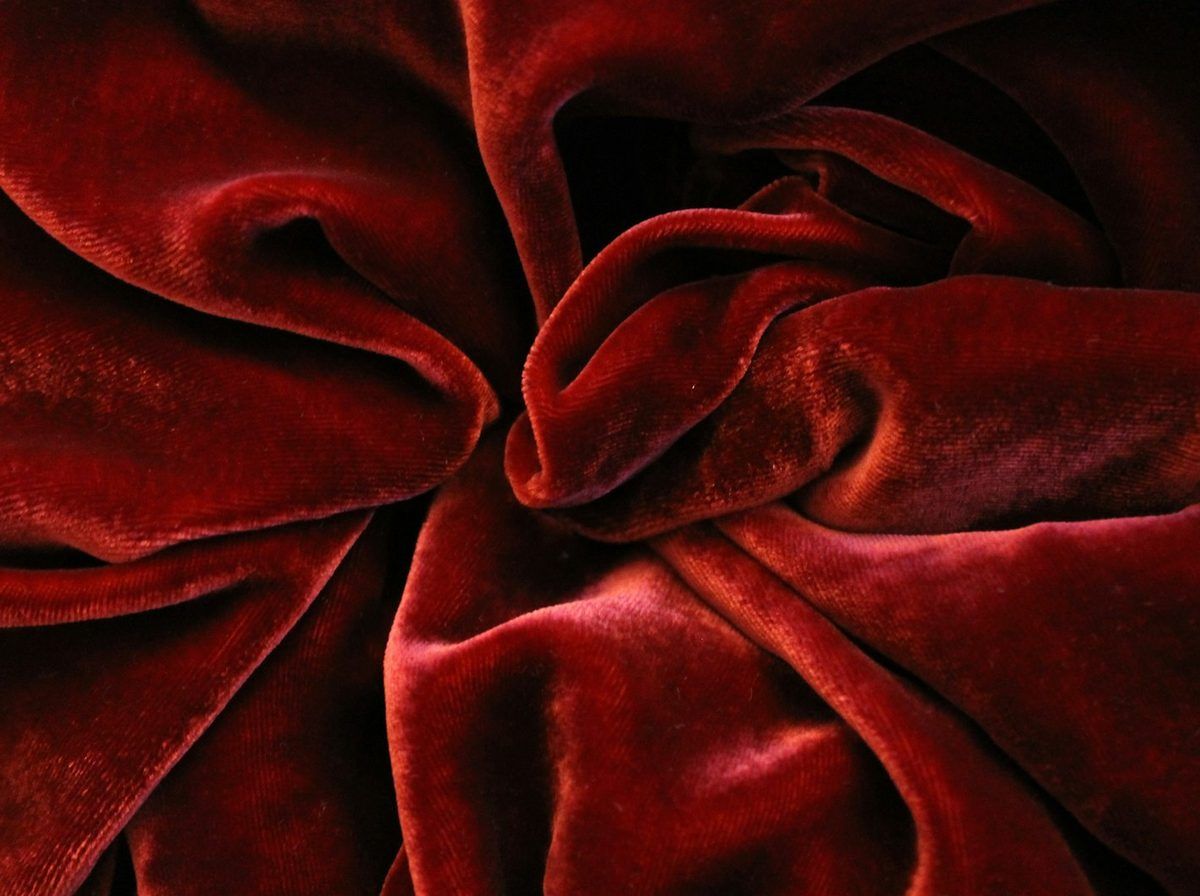
Both fabrics have a pile, the short upright fibers that make them feel plush when you run a hand over them. That's why they get mixed up on shopping sites. Once you know what sits under the pile, the label and the way the fabric moves tell you which one you're holding.
Velvet starts as a woven cloth. Pile yarns are woven in and then cut, which leaves a dense, short, upright surface with a clear shine. Velour is a knit with a cut pile on top, so it has give in every direction and a duller glow. That knit base is also why velour turns up so often in loungewear and tracksuits.
Here is how they compare on the points that matter for a dress:
Velvet can be made from silk, rayon (viscose), cotton or polyester, and silk is the most expensive of the four. Velour is usually polyester or a polyester-cotton blend. The fiber content on the label tells you a lot about drape and care before you even try the dress on.
Velour vs velvet in a dress comes down to where you're wearing it. Velvet looks dressier: the shine reads as evening, and a velvet midi with long sleeves can go to a wedding, a gala or a holiday dinner without anything else doing the work. Velour looks relaxed, closer to loungewear, even when it's cut as a wrap dress.
For packing, velour wins. A knit springs back after a day in a suitcase, while velvet can come out with crush marks that need steaming. For a desk, a velour wrap dress or a matte stretch velvet with a blazer is easier to wear for eight hours than a shiny silk-blend velvet.
At a party, go velvet. Velour at a cocktail event can look like you came straight from the couch, and that's rarely the effect you want.
Velvet vs velveteen is a question of pile and stiffness. Velveteen is usually cotton and has a much shorter pile, so it looks matte, a bit like suede, and holds its shape instead of draping. It doesn't stretch.
That makes velveteen good for structured winter pieces: an A-line skirt, a pinafore, a shift dress with a clean shape. It's less suited to a bias-cut slip or a gown that should move when you walk. For anything that needs flow, choose velvet.
A crushed velvet dress has a pile that was twisted or pressed while wet, so the fibers point in many directions and the shine breaks into patches. The look is very 1990s: think slip dresses and long-sleeve minis. It reads more casual and more playful than smooth velvet, which suits a holiday party or a night out better than a formal wedding.
Stretch velvet has spandex or another elastic fiber in it. It's comfortable, it fits close to the body and it forgives a bit of fit trouble, which is why you'll see it in bodycon dresses and bodysuits. The trade-off is a thinner hand and sometimes a glossier, more synthetic shine. Crushed velvet is often stretch velvet too, so check the fiber line on the label.
R.Vivimos
A crushed-velvet skater mini with a V neck and invisible back zipper, sizes S to XXL. Listing details: hand wash only.
For a fall or winter wedding, a velvet midi with long or 3/4 sleeves is about as easy as it gets: warm, dressy and fine in photos. Go floor length if the invitation says black tie; at black tie optional, long is the safe choice once the reception starts after dark. Jewel tones and black are classic; a silk or rayon blend drapes better than stiff polyester. For styles to start from, see our velvet wedding guest dresses.
HomRain
Velvet A-Line Midi Dress
A stretch-velvet A-line midi with 3/4 sleeves and a round neck, sizes S to 3X. Listing details: polyester; machine wash.
Holiday parties are where velvet does its best work. A velvet slip dress, a short wrap or a sleeveless sheath looks festive without sequins, and a deep green or burgundy reads as seasonal on its own. Our green Christmas dresses guide has more on that color. When the invitation says festive cocktail attire, velvet is a natural fit. A velvet bow in your hair is an easy finishing touch if the dress itself is plain.
If you'd rather have warmth than shine, our winter cocktail dresses cover sleeves and heavier fabrics too.
Missufe
Velvet Spaghetti Strap Midi Dress
A sleeveless velvet midi with adjustable spaghetti straps, a wrap V neck, a ruched waist and a slit. Listing details: polyester and spandex; sizes X-Small to XX-Large; machine wash.
VOBOBE
Velvet Hair Bow Clips, 4 Pack
Four velvet bows with long tails on alligator clips; the listing gives the bow length as about 4.5 inches and the clip as about 1.6 inches.
For a regular winter day, velour is the comfortable choice. A velour wrap dress with tights and ankle boots works for errands, a casual lunch or a long flight. Matte stretch velvet does a similar job if you want it to look a little more polished, especially in black or navy with a cardigan.
Run through this list before you buy, in a store or online:
When the dress comes home, our guide on how to wash velvet covers washing, steaming and storing it. For more fabric and styling guides, browse the style guides.

You can wash a velvet dress only if the care label allows it, and that usually means polyester or stretch velvet, hand washed in cool water and dried on a hanger. Silk, rayon and most occasion velvets are labeled dry clean, because water and wringing crush and mark the pile.
Updated Oct 19, 2026 · By Jenisha Jonchhe

Silk is a natural fiber; satin is a weave with a smooth, shiny face that can be made from silk, polyester, acetate or nylon. So a satin dress can be silk, but polyester satin is widely used for dresses, and the label's fiber content tells you which.
Updated Oct 22, 2026 · By Jenisha Jonchhe
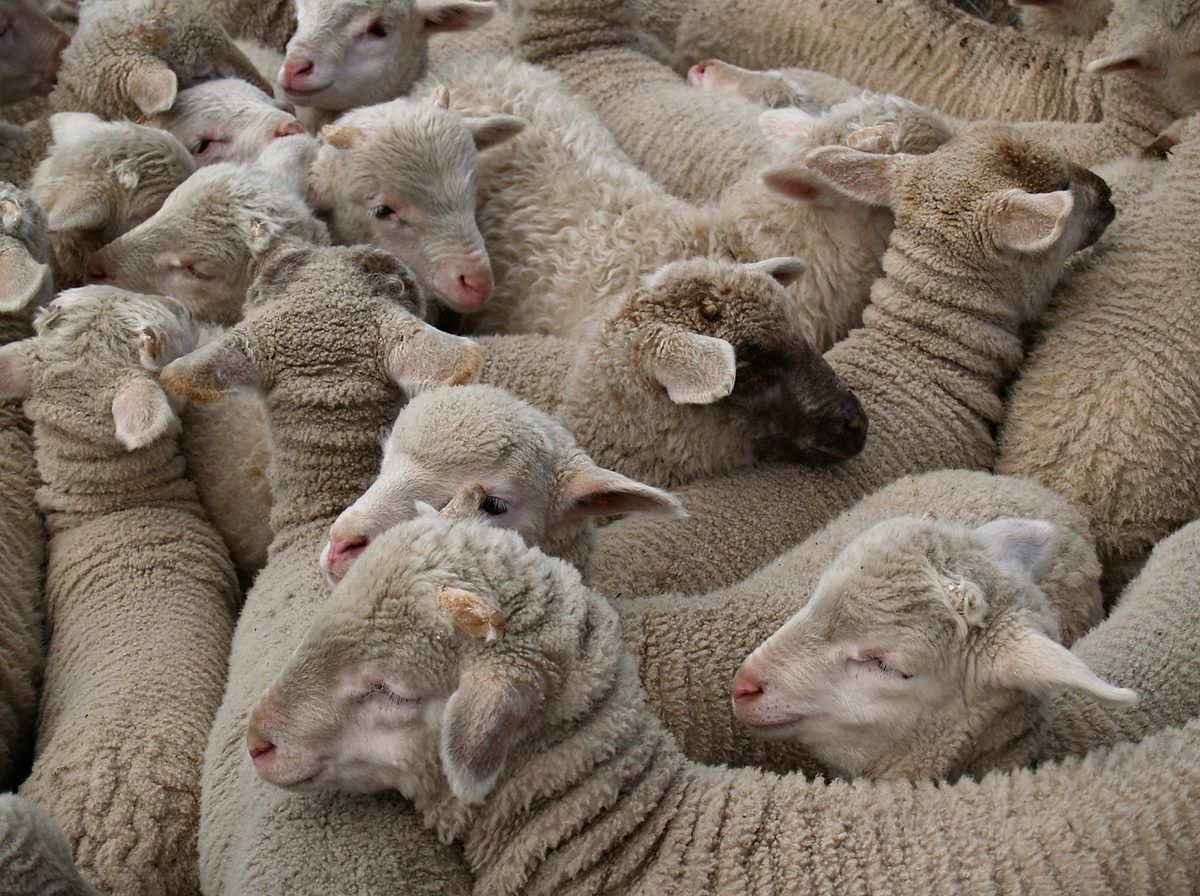
Merino wool comes from merino sheep and has much finer fibers than ordinary wool, which is why it feels soft rather than scratchy for most people. It's warm for its weight and breathable, so it's a good fiber for winter sweater dresses, tights and thin layers worn under a dress.
Updated Oct 21, 2026 · By Jenisha Jonchhe


