

Researched
Ailaile
Merino Wool Sweater Dress
A long-sleeve crew-neck knit dress that the listing calls mid-length. Listing details: 100 percent merino wool; sizes Small to Large; hand wash or dry clean only.
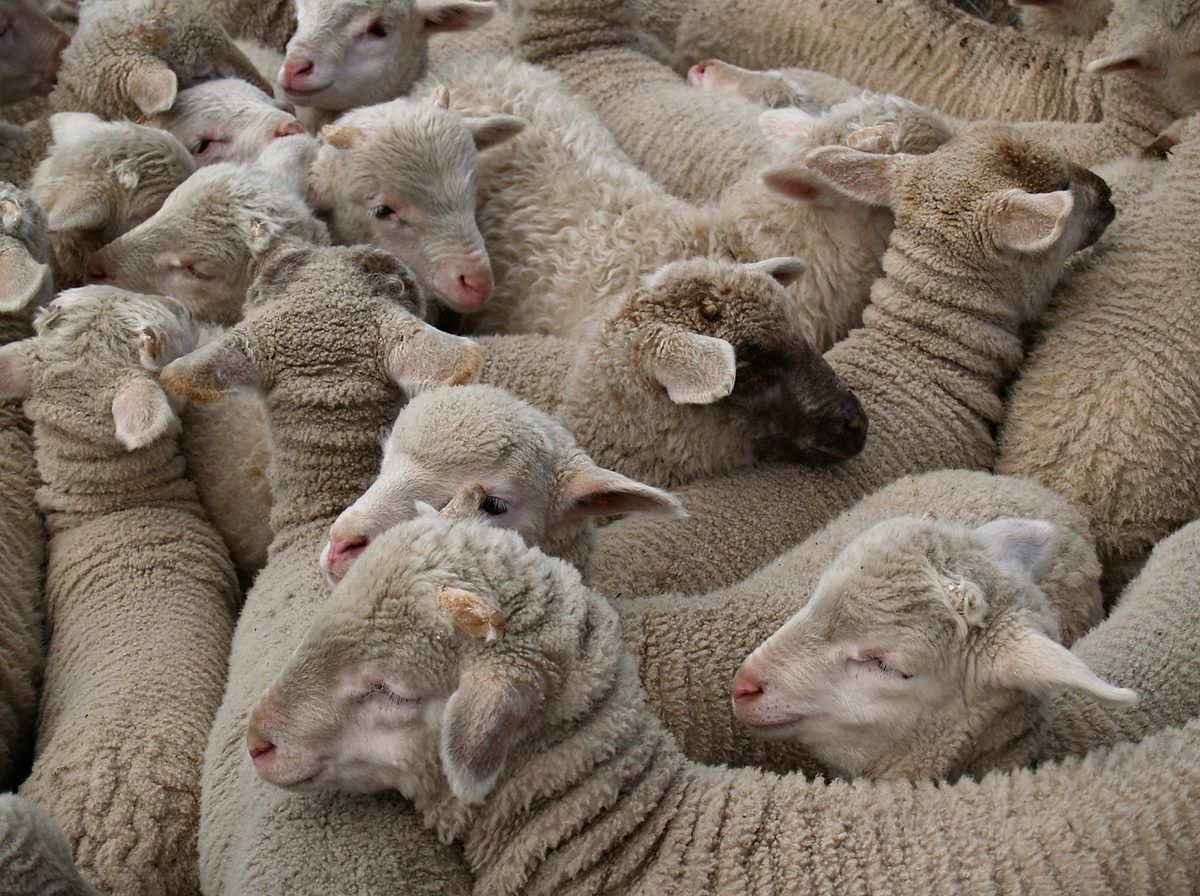
Merino wool comes from merino sheep and has much finer fibers than ordinary wool, which is why it feels soft rather than scratchy for most people. It's warm for its weight and breathable, so it's a good fiber for winter sweater dresses, tights and thin layers worn under a dress.
Updated Oct 21, 2026 · By Jenisha Jonchhe
This page may contain affiliate links. If you buy something through one, we may earn a commission at no extra cost to you. Read our affiliate disclosure.
Merino wool comes from merino sheep and has much finer fibers than ordinary wool, which is why it feels soft rather than scratchy for most people. It's warm for its weight and breathable, so it's a good fiber for winter sweater dresses, tights and thin layers worn under a dress.
If you've avoided wool because it itched as a kid, merino is the one to try again. Here's what makes it different, how it compares with regular wool and cashmere, and how to wear and wash it through the winter.
Merino is a breed of sheep, and merino wool is the fleece shorn from it. What sets it apart is the thickness of each fiber, measured in microns (one micron is a millionth of a meter). The Woolmark Company, the organization behind the Woolmark wool label, gives merino fibers a typical range from under 17.5 microns up to around 22 to 24 microns, and says the finer the micron, the softer the fiber.
That fineness is the whole story. The prickle people feel from wool comes from coarse fibers pushing against the skin, not from wool as such. Thin merino fibers bend instead of poking, so a merino sweater feels closer to a soft knit than to a scratchy blanket. That's why fine merino turns up in base layers and knits made to sit right against the skin.
Merino also has the usual wool strengths. The fibers are crimped, so they trap small pockets of air, which is where the warmth comes from. Wool absorbs and releases moisture vapor too, which is why merino is commonly described as breathable and temperature regulating. In practice, a thin merino layer keeps you warm on a cold walk without feeling clammy once you're indoors.
Merino vs wool isn't quite a fair fight, because merino is a wool. The real comparison is merino against the broader wools used in many sweaters, coats and blankets:
For a winter dress or anything that touches your skin, merino is the better choice. For a heavy coat, standard wool is fine and often tougher.
Wool vs cashmere starts with the animal. Wool comes from sheep. Cashmere is the soft, downy undercoat of cashmere goats, which is part of why it costs more. Cashmere is very soft and light and feels warmer than its weight suggests.
Merino sits between the two. Fine merino can feel close to cashmere, and Woolmark goes as far as saying it can be softer. Merino is usually the easier of the two to live with day to day. Cashmere can pill a little in friction spots, like under the arms and where a bag strap rubs, and it's best hand washed in cold water.
If you want one cozy winter dress that you'll wear a lot, merino is the practical pick. If you want a special sweater you'll treat gently, cashmere is lovely. Both pill, so neither is a "buy it and forget it" fabric.
A merino wool dress is one of the easiest ways to wear a dress through a cold spell. It's warm, it isn't bulky, and it looks polished enough for an office or a dinner. If warmth is your top priority, our guide to winter dresses that are actually warm covers other fabrics too.
A fine-gauge merino sweater dress drapes instead of standing away from the body, so it works with a belt, a long coat and knee boots. Look at the fiber line before you buy: "merino blend" can mean a dress that's mostly acrylic with a little merino in it. If merino comes first on the label, you'll get the softness and warmth you're paying for. For outfit ideas, see our sweater dress outfits.
Ailaile
Merino Wool Sweater Dress
A long-sleeve crew-neck knit dress that the listing calls mid-length. Listing details: 100 percent merino wool; sizes Small to Large; hand wash or dry clean only.
This is where merino earns its keep. A thin merino long-sleeve top or slip under a wrap dress, a shirt dress or even a satin slip adds real warmth without changing how the outfit looks. Merino tights do the same for your legs, and they feel softer than most wool tights.
To keep the layer invisible, match its neckline to the dress: a scoop or crew neck under a high neckline, a camisole shape under a V or a wrap. Pick a color close to your skin tone or to the dress so it doesn't show through a lighter fabric. If a layer under a dress starts to cling in dry winter air, our guide to static cling has quick fixes.
If merino tights are hard to find in your size, fleece-lined tights are the other warm option for dresses in deep winter.
MERIWOOL
Merino Wool Base Layer Crew Top
A long-sleeve crew-neck base layer in 100 percent merino wool, 250 g/m2, with a fitted cut. Listing details: sizes X-Small to X-Large.
CALZITALY
Merino Wool Tights, 100 Denier
Footed 100-denier tights with flat seams, a reinforced toe and a cotton gusset, made in Italy. Listing details: 60 percent merino wool, 30 percent polyamide and 10 percent elastane; sizes Small to X-Large; machine wash cold and dry flat.
Merino lasts longer when you handle it gently. Read the care label first: some merino is treated so it can go in the machine and says so, and some is hand wash only.
Merino will pill a little in rubbed spots, even the good stuff. That doesn't mean it's poor quality. A sweater comb or stone lifts the pills gently (fine merino is too delicate to trust to a shaver's blades), and our guide on how to remove pilling walks through it.
Nikwax
A wash-in cleaner that the listing says is made for merino wool clothing, base layers and socks, with no added scent. Listing details: liquid, 10 fl oz (300 ml); machine wash.
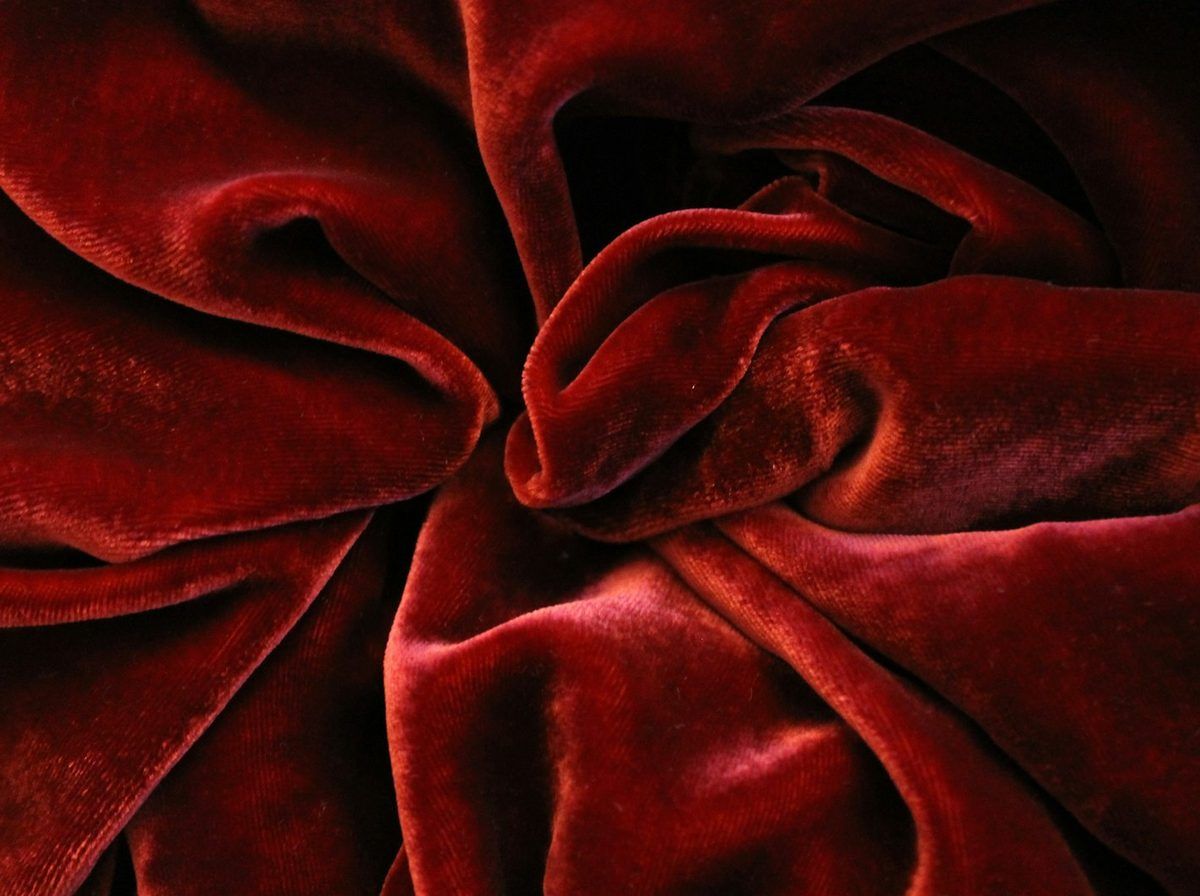
The difference between velvet and velour is the base: velvet is woven, with a dense cut pile that catches the light, and velour is usually knitted, so it stretches and feels softer but looks less formal. For a wedding or holiday party, choose velvet; for a comfortable everyday or casual-party dress, velour is fine.
Updated Oct 17, 2026 · By Jenisha Jonchhe
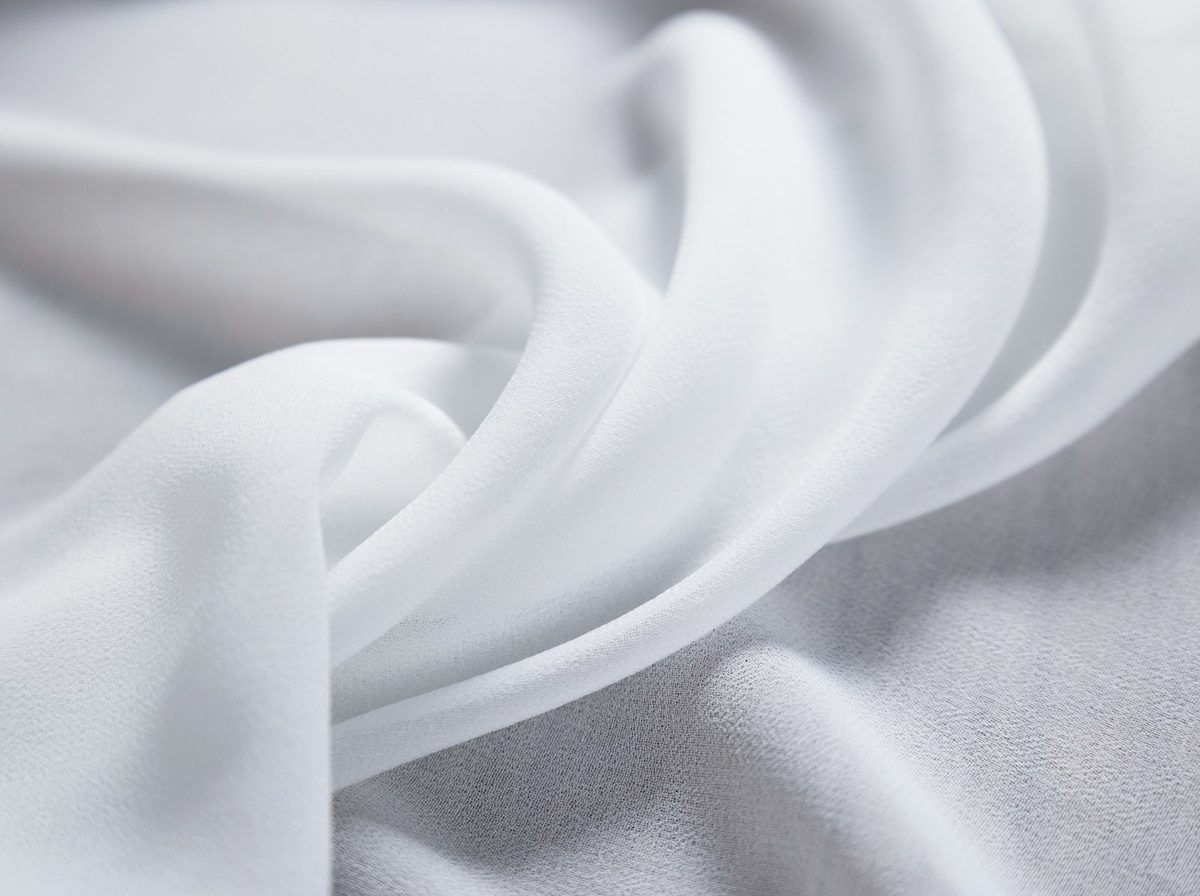
Chiffon is a sheer, lightweight fabric woven from tightly twisted yarns, which gives it a soft, floaty drape and a faint texture. It started as a silk fabric, but it's now commonly made from polyester, which makes it more affordable, and silk chiffon sits at the pricier end.
Updated Nov 1, 2026 · By Jenisha Jonchhe
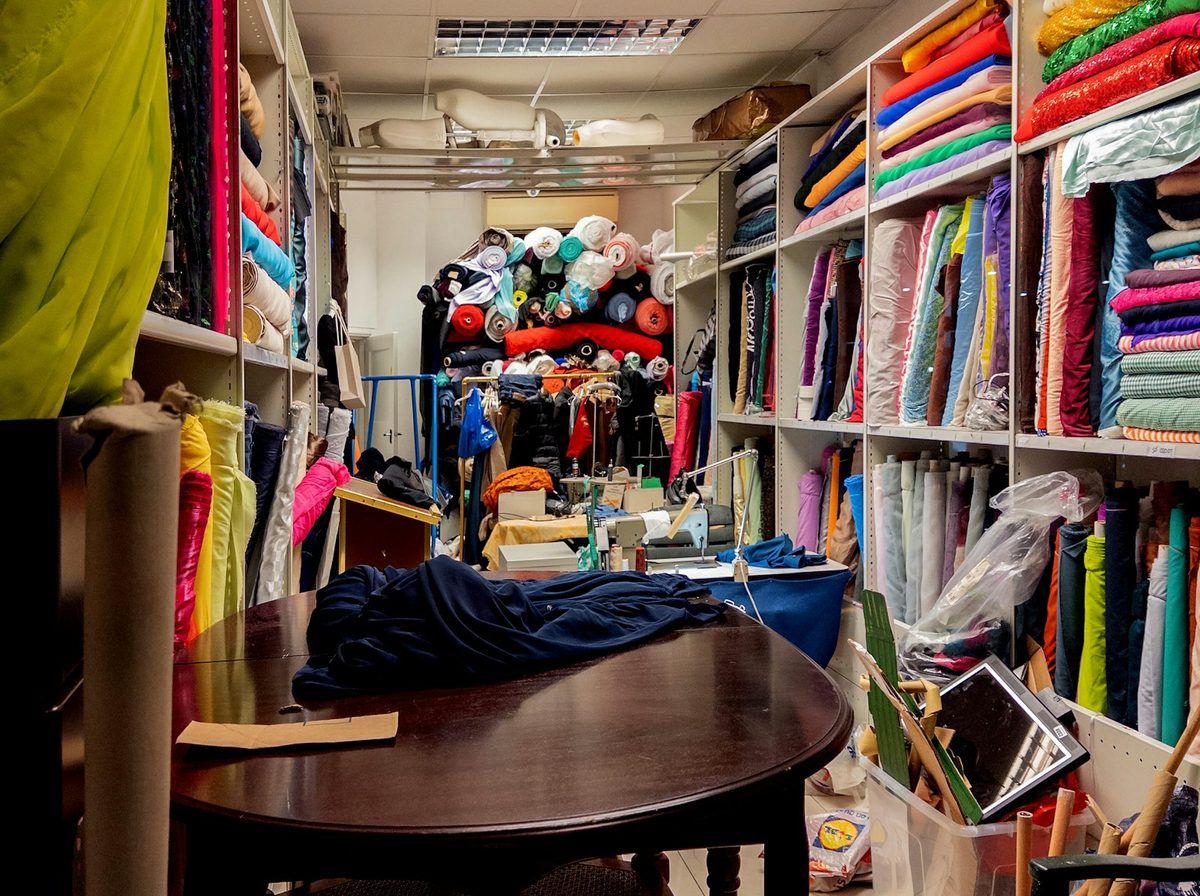
Viscose is a fiber made by dissolving plant cellulose, usually from wood pulp, and spinning it back into threads; it's the main type of rayon, and US labels may use either name. Viscose dresses drape softly and feel cool, but the fabric can shrink and wrinkle, so wash it gently and cool.
Updated Oct 31, 2026 · By Jenisha Jonchhe


