Heel grips are cushioned pads, usually silicone, gel or fabric-covered foam, that stick to the inside back of a shoe and fill the gap so your heel stays put. They work best when a shoe is slightly too big or slips when you walk; if the whole shoe is loose, a half or full insole helps more.
Updated Oct 20, 2026 · By Jenisha Jonchhe
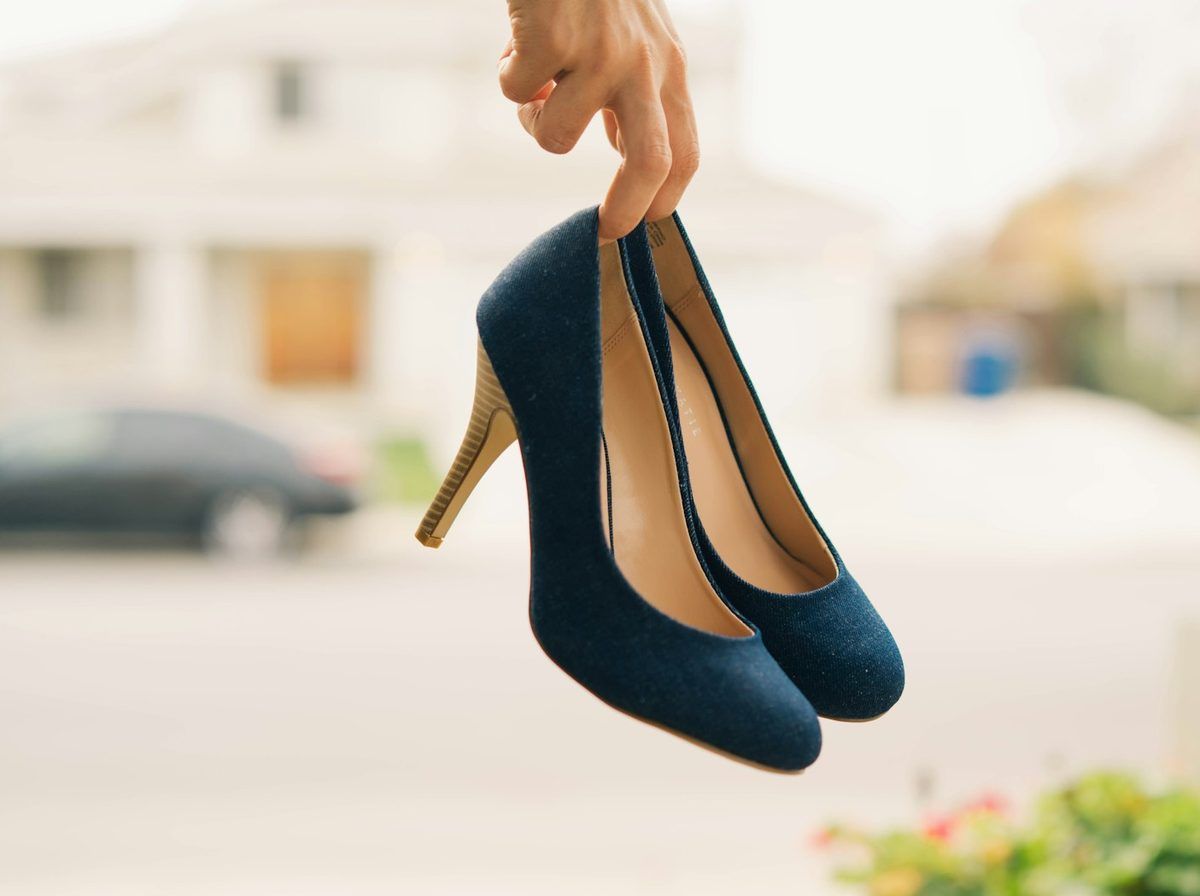
Photo: Andrew Tanglao on Unsplash
This page may contain affiliate links. If you buy something through one, we may earn a commission at no extra cost to you. Read our affiliate disclosure.
One pair of slim gel heel liners in one size; the listing says they help with heels slipping in shoes that are slightly too big.
One pair of slim gel heel liners, one size; the listing says they help with rubbing at the heel and with heels slipping in shoes that are slightly too big.
Three-quarter-length gel insoles with a self-adhesive base that the listing says can be trimmed, in sizes 5 to 8.5.
Three-quarter-length gel insoles with a self-adhesive base that the listing says can be trimmed to fit, for heels, flats and sandals in sizes 5 to 8.5.
Picks for this guide come from Amazon listing information, and none of them has been tried on. Material, count, size and any benefit are what each listing states, attributed to the listing. Feet and shoes differ, so read each listing's directions before you stick anything inside a shoe.
What the evidence label on each pick means
Researched
selected from product information only; not tried on.
Buying considerations
Heel grips are cushioned pads, usually silicone, gel or fabric-covered foam, that stick to the inside back of a shoe and fill the gap so your heel stays put. They work best when a shoe is slightly too big or slips when you walk; if the whole shoe is loose, a half or full insole helps more.
That's the short version. The longer one is about matching the fix to the problem, because a heel that slips, a foot that slides forward and a strap that rubs each need something different. Here's how to tell which one you have and what to reach for.
Why your heels slip out
Shoes that are a little too big are the usual cause, followed by a stiff heel counter (the firm back of the shoe) or a heel that's narrower than the shoe's. When there's a gap at the back, your heel lifts with every step, the shoe flaps, and the back edge rubs.
A few other things make it worse:
Pumps and slingbacks. Shoes held on only by the back of the heel or a thin strap have nothing across the foot to keep them on.
New, stiff shoes. The back hasn't softened to your foot shape yet.
Bare feet in a smooth lining. Skin slides on a slick lining, especially on a warm day.
Half sizes. If you're between sizes and rounded up, there's a gap.
A single heel grip in the right spot often fixes the slip, and it can bring a good pair back out of the closet. Boots do this too: an ankle boot with a little heel lift is the same problem, and if you wear ankle boots with a dress, a grip helps there as well. Tall boots are different; for those, fit starts with the shaft, as our guide to wide calf boots explains.
Heel grips vs heel liners
People use the names loosely, but they solve different problems:
Heel grips: thicker cushioned pads, often silicone or gel, that stick to the inside back of the shoe. They solve heel slip by filling the gap. Best in pumps, slingbacks and loafers that are a little big.
Heel liners: thin pads of suede, fabric or felt with an adhesive back. They solve rubbing at the back of the heel more than slipping, by giving your skin a soft surface. Best in new shoes with a hard edge, or shoes that fit but rub.
If your heel is sliding out, go for a grip. If the shoe fits but the back edge is rough on your skin, a liner is the gentler fix. Some pairs need both. Look at the color too: in a light lining or a shoe you'll slip off under the table, a clear or skin-tone grip is the one nobody notices.
How to put heel grips in
A grip in the wrong spot does nothing, so take a minute over it:
Clean and dry the inside of the shoe. Wipe off dust so the adhesive sticks. Let it dry fully if you used anything damp.
Put the shoe on and walk a few steps. Notice where your heel lifts away from the back. That's where the grip goes, usually centered and a little above the sole.
Mark the spot lightly with your finger or a bit of chalk on the lining.
Peel off the backing and press the grip in firmly. Hold it for several seconds, smoothing from the center out.
Wait before wearing. Follow the listing's directions; some adhesives need time to set before they hold well.
Try the shoe again. If your heel still lifts, add a second grip or a thin insole rather than a thicker grip.
If you're worried about the lining, try the adhesive in an unseen spot first. On delicate satin or suede linings, a removable grip is the safer choice.
Other fixes, by problem
Sliding forward and sore balls of the feet
In high heels, the problem is often not the heel at all. Your foot slides forward, your toes press into the front and the balls of your feet take all the pressure. A ball-of-foot cushion sits under the front of the foot, adds a little padding and gives your foot something to grip so it slides less.
The whole shoe is loose
If the shoe is loose all over, not just at the back, a heel grip can't fix it on its own. A three-quarter or full insole takes up space under the whole foot, so the shoe fits more snugly from toe to heel. Gel insoles also add cushioning in thin-soled flats. Combine an insole with a heel grip if you're closer to a full size too big.
Pinching toes and rubbing straps
For toes that pinch in a pointed shoe, soft toe guards or caps slip over the toes and soften the pressure points. For straps that rub, such as on sandals or slingbacks, an anti-friction stick applied to the skin or the strap reduces rubbing, as the listings describe it. Neither will make a shoe that's too small comfortable, but both help with a shoe that's almost right.
How to make heels more comfortable for a long event
Here's how to make heels more comfortable for a wedding, a gala or a long night of holiday party dresses and dancing:
Break them in at home. Wear them around the house with thin socks for an evening or two. The back and the straps soften.
Put grips and cushions in a few days ahead, so the adhesive is set and you know they're in the right place.
Choose a lower or block heel for a day that starts early and ends late. Kitten heels are an easy middle ground.
Bring flats. A pair of foldable flats in your bag means you can switch for the walk home or the last hour of dancing.
Sit when you can. It sounds obvious, but standing for a whole cocktail hour is where most people start to feel it.
Our guide to wedding guest shoes matches heel types to venues, from lawns to dance floors.
When to see a cobbler instead
Some fit problems are simply beyond a stick-on fix, however careful you are. A cobbler can stretch leather shoes that pinch, add a permanent heel pad or a sturdier lining, shorten or add holes to a strap that's too long, and fit non-slip soles to slick ones. If you love a pair and they're only slightly off, a cobbler is worth a visit before you give up on them, and the result usually lasts longer than an adhesive pad.
Do heel grips damage shoes?
Usually not, but the adhesive can leave a mark on some linings, especially satin or suede. Try one in an unseen spot first, or choose grips the listing describes as removable.
Can you reuse heel grips?
Only if the listing says they're reusable. Many lose their stickiness once you peel them out.
Do heel grips work on boots?
On ankle boots with a little heel slip, yes. Tall boots that are loose usually need an insole, because the gap runs the length of the foot.
Can heel grips make a shoe a whole size smaller?
No. They take up a small gap at the back. For a shoe a full size too big, combine an insole with a grip, or exchange the shoes.
Share this guide
Written by
Jenisha JonchheFashion Writer and Designer
Jenisha Jonchhe is a New York-based fashion writer and designer with academic training in fashion design and postgraduate study focused on fast fashion. At LookerDress, she creates practical, research-led content covering occasion dressing, dress codes, fit and sizing, fabrics, seasonal trends, styling and product comparisons. Her fashion background helps her assess garment construction, silhouette, materials, wearability and styling suitability. She translates this knowledge into clear, accessible guidance that helps readers make more informed clothing and accessory choices. Jenisha's articles distinguish between editorial research and products that have been personally examined or tested. Product details, sizing information and availability are checked against current retailer information before publication. Areas of expertise: fashion design, fast fashion, garment construction, dress styling, fabrics, fit and sizing, trend analysis and fashion buying guides.
Academic training in fashion design; postgraduate study focused on fast fashion.
Choose wedding guest shoes by the dress code first and the venue second: satin pumps or strappy heels for black tie, block heels or low heels for cocktail and outdoor weddings, dressy flats for anything with a long dance floor. If the ceremony is on grass, sand or cobblestones, a block heel or flat beats a stiletto every time.
Kitten heels are short, slim heels, usually about one to two inches high, set in from the back of the shoe. They give a dress the polish of a heel without the height, and they look best with midi, knee-length and slip dresses, where a chunky shoe would feel heavy.
Seamless underwear swaps stitched elastic edges for laser-cut or bonded ones, so the edge lies flat against your skin and doesn't show through a fitted dress. A thong is the most invisible under bodycon and satin, while a seamless brief or hipster works under most knits and midis.