Opera Gloves: Lengths, Fabrics and When to Wear Them
Opera gloves are evening gloves that reach past the elbow, usually to the upper arm, worn with a sleeveless or strapless gown. Satin looks the most formal, stretch jersey is the easiest to wear, and leather reads more fashion than ballroom.
Updated Oct 17, 2026 · By Jenisha Jonchhe
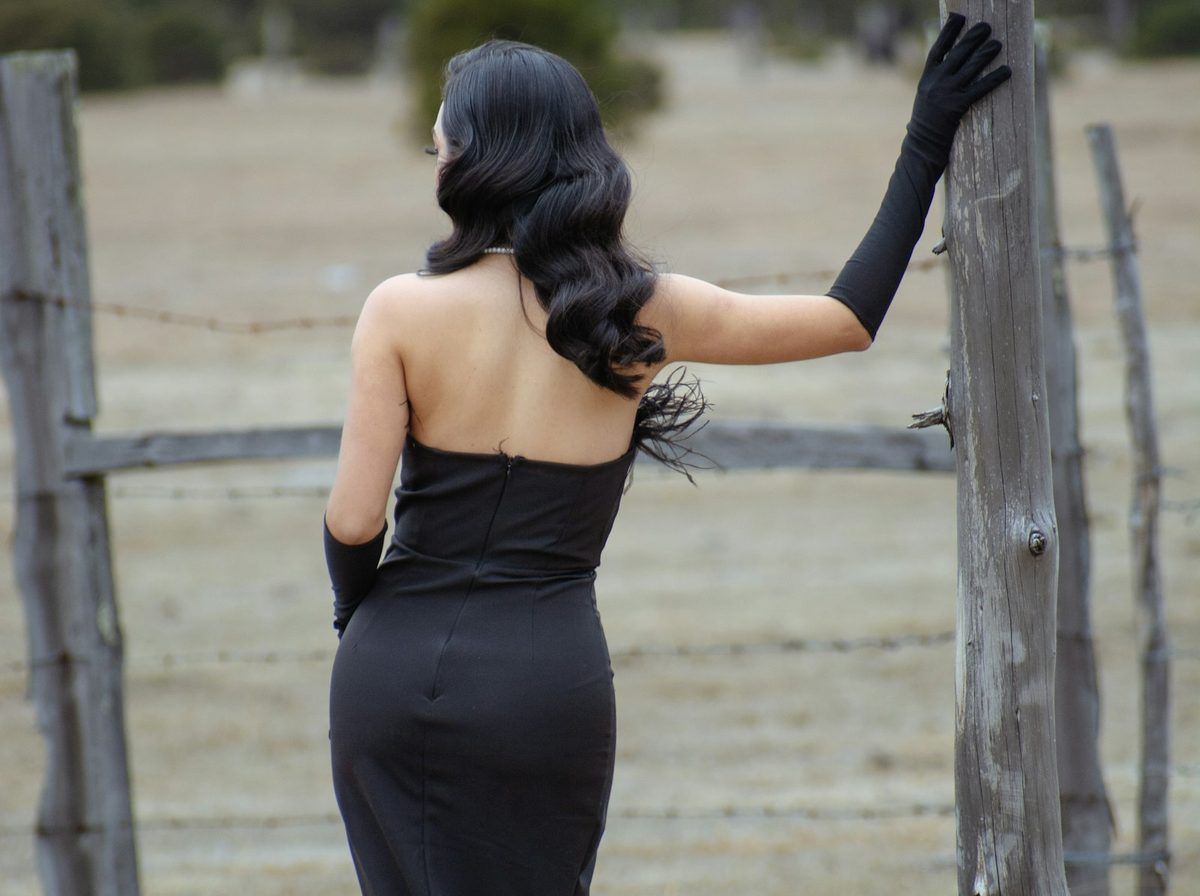
Photo: Taylor Reichel on Unsplash
This page may contain affiliate links. If you buy something through one, we may earn a commission at no extra cost to you. Read our affiliate disclosure.
Shiny satin in nylon with spandex for stretch, about 23 to 23.5 inches from fingertip to top, which the listing calls opera length (16BL). It lists no size range.
Shiny satin in nylon with spandex for stretch, about 23 to 23.5 inches from fingertip to top, which the listing calls opera length (16BL). It lists no size range.
Shiny satin gloves in nylon and spandex, about 23 to 23.5 inches from the tip of the middle finger to the top of the glove, which the listing calls opera length (16BL). Hand wash only.
Genuine sheepskin leather, about 19.6 inches long, in sizes Small to Large with a fleece or silky lining, per the listing.
Genuine sheepskin leather gloves about 19.6 inches (50 cm) long, in sizes Small to Large, offered with a fleece or a silky lining. The listing calls them touchscreen compatible.
A 3mm cubic zirconia tennis bracelet with a lobster claw clasp, in 6.5, 7 and 7.5 inch lengths.
A tennis bracelet of 3mm cubic zirconia stones in four-prong settings with a lobster claw clasp, in 6.5, 7 and 7.5 inch lengths. The listing title calls it 14K gold plated and offers several gold and white gold finishes.
The picks in this guide come from Amazon listing information, and none of them was tried on. Lengths, fabrics and sizes are the listing's own, so check them on Amazon before you order.
What the evidence label on each pick means
Researched
selected from product information only; not tried on.
Buying considerations
Opera gloves are evening gloves that reach past the elbow, usually to the upper arm, worn with a sleeveless or strapless gown. Satin looks the most formal, stretch jersey is the easiest to wear, and leather reads more fashion than ballroom.
They belong to the dressiest nights of the year: a white tie ball, a gala, a formal wedding, a themed party where everyone goes all out. This guide covers the lengths, the fabrics, when long gloves make sense today and how to buy a pair that fits.
Key takeaways
Opera length means above the elbow: 16 buttons, about 16 inches measured from the thumb seam at the wrist.
Satin for the most formal look, stretch jersey for comfort, leather for a fashion edge.
Wear them with bare arms: sleeveless, strapless or thin straps.
Take them off to eat, and wear a bracelet over the glove, not under it.
Opera glove lengths, in buttons and inches
Glove makers measure length from the thumb seam at the wrist up the arm, not from the fingertips. The traditional unit is the "button", and the British glove maker Cornelia James counts one button as one inch. On that scale, the three lengths you'll see are:
Wrist gloves: 1 to 3 buttons. They stop at or just over the wrist bone.
Elbow gloves: around 12 buttons. Often called mid-length; they reach the elbow or a little past it.
Opera gloves: 16 buttons, about 16 inches from the thumb seam, finishing on the upper arm.
Listings don't always use buttons. Many give the total length in inches or centimeters measured from the fingertip, which is several inches more than the button count, so don't compare the two numbers directly. If the listing only says "long", look at the photo: an opera glove should clearly finish above the elbow.
Elbow-length satin gloves are the shorter option, and they suit a cocktail dress better than a full gown. They give the same polish without the commitment of a glove that runs up to your sleeve line.
Evening gloves by fabric
Evening gloves come in four main fabrics, and each one sets a different mood. Pick the fabric first, then the color.
Satin opera gloves
Satin opera gloves are the classic choice for white tie and black tie. The sheen catches light the way a satin or silk gown does, so they look right with formal fabrics. Satin with a little spandex or elastane in the fabric sits smoothly on the arm. Satin with no stretch can slide down and wrinkle at the elbow, so check the fabric line before you buy.
Stretch jersey
Jersey gloves are the easy pair. They're soft, matte and forgiving, they pull on without a fight and they stay up better than most satin. The matte finish looks good with crepe, velvet and jersey dresses, and it's the friendliest choice if you've never worn long gloves before.
Leather opera gloves
Leather opera gloves look more fashion than ballroom. Think a black leather glove with a strapless black dress at a gala, or with a sleeveless top at a dinner. They're warmer than fabric gloves and they keep their shape, but they need a precise fit because leather doesn't stretch much. Check whether a listing says real leather or faux leather; both exist, and the listing should say which.
Lace and sheer gloves
Lace and sheer mesh gloves are lighter and softer. They suit a bridal look, a vintage-themed party or a costume where full satin would feel heavy.
When to wear long gloves for women
Long gloves for women make sense at the most formal events and at parties with a theme. The main occasions:
White tie. Long gloves are part of the traditional look for a white tie ball or state dinner. See the white tie dress code for the rest of the outfit.
Galas and charity balls. Gloves are optional but not out of place, especially with a strapless gown. Our guide to what to wear to a gala covers the dress itself.
Black tie. You can wear them, but you don't need to. With black tie attire, gloves are a styling choice rather than a rule.
A bridal look. Satin or lace gloves with a strapless or sleeveless wedding dress.
Themed parties and costumes. Old Hollywood, the 1950s, a masquerade or a holiday party where everyone dresses up. For the outfit, see holiday party dresses.
On a cold night, gloves cover your arms but not your shoulders, so bring a wrap too. Shawls and wraps for dresses covers the options that look right over a gown.
Long gloves are traditionally taken off to eat and drink. The glove maker Roeckl's etiquette guide makes an exception for holding a champagne glass with your gloves on. At dinner, pull them off finger by finger and lay them in your lap or on your clutch.
Black opera gloves and other colors
Black opera gloves are the easiest color to wear. They work with a black gown for a sleek, single-color look, and they give a jewel-tone dress (emerald, sapphire, ruby red) a strong contrast. Black also hides marks better than any light shade.
White and ivory are the traditional choice for white tie. They look crisp with black, navy and pastel gowns. Choose ivory over bright white if your dress is cream or champagne, so the two whites don't fight.
Matching your gloves to your dress makes your arms look long and unbroken. Contrasting gloves make the gloves part of the outfit, so keep the rest simple: one color for gloves, one for the dress, small jewelry.
Tip
A glove a shade darker than your dress usually looks better than one a shade lighter, because a lighter glove draws the eye to your hands.
Getting the fit right
A glove that fits stays up, doesn't twist and doesn't bunch at the elbow. Three measurements matter.
Hand size. Measure around your hand at the knuckles, without the thumb, in inches. Most glove size charts start from this number.
Arm length. Check where the glove will end on your arm. On a shorter arm, a 16-button glove can reach almost to the shoulder; on a longer arm, it may stop just above the elbow.
Upper arm. Fabric gloves without stretch can be tight at the top, and leather gloves often are. If your upper arm is fuller, look for stretch fabric or a glove that lists its top circumference.
Size charts differ from brand to brand, so compare your measurements with the chart on each listing rather than ordering your usual glove size. If you're between sizes in stretch fabric, the smaller size usually stays up better; in leather or non-stretch satin, go up.
Heads up
Long gloves that slide down are usually too loose at the top, not too long. A little fashion tape on the inside rim keeps them in place for an evening.
Bracelets and rings with gloves
Jewelry goes over the glove, not under it. Roeckl's etiquette guide says jewelry is worn over the glove on festive occasions, so a bangle or tennis bracelet at the wrist is the classic finish. A big cocktail ring under a fitted glove shows as a lump and pulls the fabric, so leave it in your clutch until dinner, when the gloves come off.
Keep the bag small too. A slim clutch you can hold in one gloved hand is easier than anything with a strap; wedding guest clutches has evening styles that suit gloves. Put the bracelet on last, after the gloves are smooth.
Do you take opera gloves off to eat?
Yes, traditionally you remove them to eat and drink. Pull them off finger by finger and lay them in your lap or on your clutch, then put them back on after dinner.
Can you wear opera gloves with a dress with sleeves?
Usually no. Opera gloves are meant for bare arms, so they look best with sleeveless, strapless or thin-strap dresses. With short sleeves, a wrist or elbow glove is the better choice.
What size opera gloves do I need?
Measure around your hand at the knuckles, without the thumb, and compare that number with the size chart on the listing. For long gloves, also check the length and the top circumference against your arm.
Are opera gloves in style?
They show up at galas, formal weddings and themed parties, and on red carpets from time to time. They're a statement, so wear them where the dress code is formal or the party has a theme.
Jenisha Jonchhe is a New York-based fashion writer and designer with academic training in fashion design and postgraduate study focused on fast fashion. At LookerDress, she creates practical, research-led content covering occasion dressing, dress codes, fit and sizing, fabrics, seasonal trends, styling and product comparisons. Her fashion background helps her assess garment construction, silhouette, materials, wearability and styling suitability. She translates this knowledge into clear, accessible guidance that helps readers make more informed clothing and accessory choices. Jenisha's articles distinguish between editorial research and products that have been personally examined or tested. Product details, sizing information and availability are checked against current retailer information before publication. Areas of expertise: fashion design, fast fashion, garment construction, dress styling, fabrics, fit and sizing, trend analysis and fashion buying guides.
Academic training in fashion design; postgraduate study focused on fast fashion.
Let the neckline decide: a V-neck takes a pendant necklace, a strapless or sweetheart neckline takes a short necklace or bold earrings, and a high, halter or one-shoulder neckline takes earrings only. Then match the sparkle to the dress code, with pearls and studs for daytime and crystals for evening.
Black tie is a formal evening dress code: men wear tuxedos, and women wear floor-length gowns or something equally formal. If the invitation says black tie, plan on a long dress in a dressy fabric, heels or elegant flats, and a small evening bag.
White tie is the most formal dress code: men wear tailcoats with white bow ties, and women wear full-length evening or ball gowns. Long gloves, an evening bag and fine jewelry traditionally finish the look.