Petite dresses are cut for women around 5'4" and under, with a shorter torso, shoulder-to-waist length, sleeves and hem, so the waist, darts and hem land in the right place. That's different from a small size: petite is about height and proportion, and many brands run petite in every size.
Updated Oct 30, 2026 · By Jenisha Jonchhe
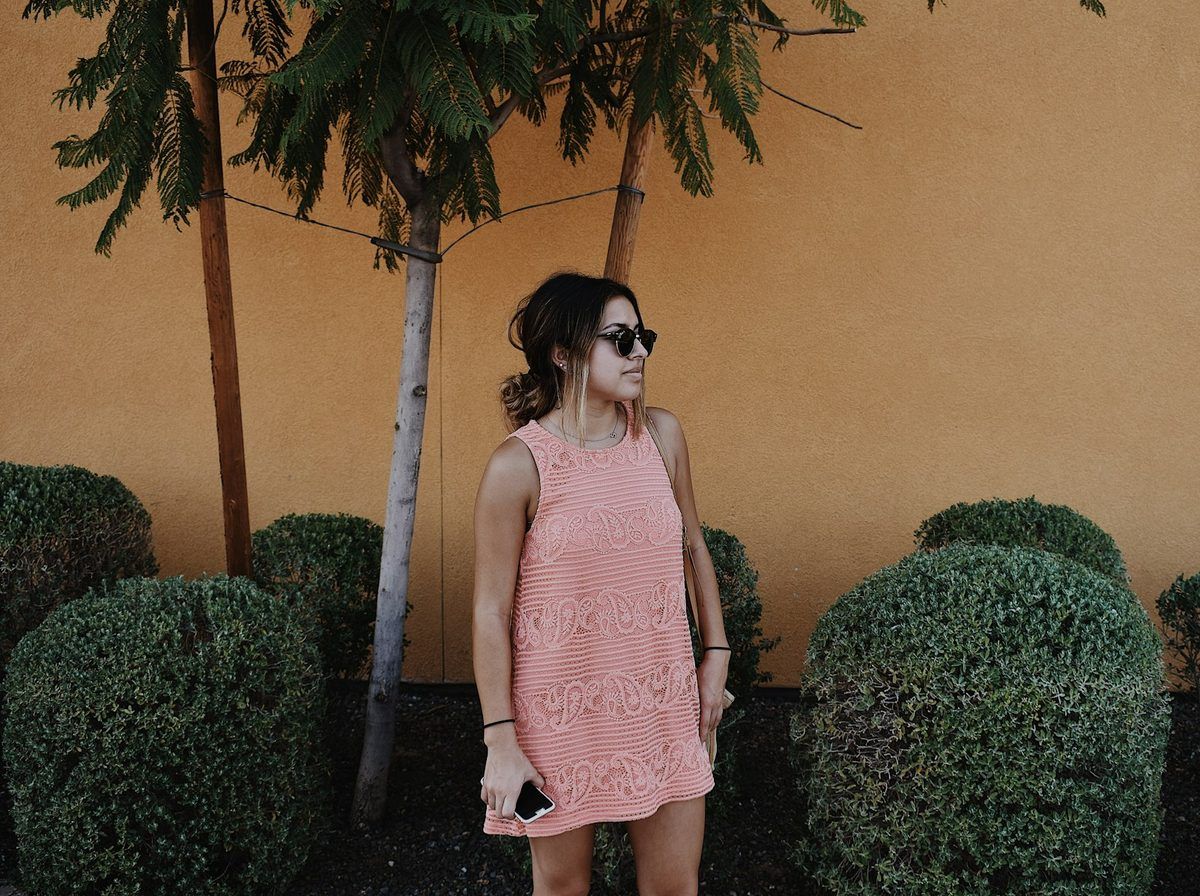
Photo: Amanda Kwasniewski on Unsplash
This page may contain affiliate links. If you buy something through one, we may earn a commission at no extra cost to you. Read our affiliate disclosure.
A dressy midi shift with an attached lace jacket, offered in petite sizes 4P to 16P. The listing doesn't give the petite length, so check the size chart.
A short-sleeve wrap dress in stretch knit, sold in petite sizes Small Petite to X-Large Petite. The listing says the wrap closure adjusts the fit.
A short-sleeve wrap dress in ITY stretch knit with a wrap closure that the listing says adjusts the fit, in petite sizes Small Petite to X-Large Petite. Polyester and spandex; hand wash only.
A dressy midi shift with an attached lace jacket, offered in petite sizes 4P to 16P. The listing doesn't give the petite length, so check the size chart.
A midi shift dress in stretch jersey with an attached embroidered lace jacket, a scoop neckline and 3/4 illusion sleeves. The listing offers petite sizes 4P to 16P as well as regular sizes, with a back zipper and a hook-and-eye at the jacket neckline; hand wash only.
A pull-on maxi with a side split and pockets that the listing says is sized for petite frames 5 ft and under, in XX-Small Petite to X-Large Petite.
A pull-on A-line maxi with a round neck, a side split hem and two side pockets, which the listing says is sized for petite frames 5 ft and under, in XX-Small Petite to X-Large Petite. Rayon, polyester and spandex; machine wash cold.
Every pick on this page comes from Amazon listing information, not a try-on. Fabric, length and sizes are as each listing states them, and a dress is called petite only when its listing offers petite sizing. LookerDress hasn't worn or washed any of these pieces, and the list isn't ranked. Petite cuts differ by brand, so compare each listing's length with your own measurement before you order.
What the evidence label on each pick means
Researched
selected from product information only; not tried on.
Buying considerations
Petite dresses are cut for women around 5'4" and under, with a shorter torso, shoulder-to-waist length, sleeves and hem, so the waist, darts and hem land in the right place. That's different from a small size: petite is about height and proportion, and many brands run petite in every size.
If regular dresses always seem to have their waist seam on your hips and their midi hem near your ankles, petite sizing is the fix. This guide explains what petite size means, what actually changes from regular, the proportions that work, maxi, midi and mini lengths, and when to buy petite versus when to hem.
What petite size means
Petite size is a height category, not a body size. Petite clothes are usually designed for women about 5'4" and under, whatever their size, and they're cut with shorter sleeves, hems and rises, plus adjusted knee and armhole placement. Brands set their own cutoffs, though: one well-known US brand cuts petite for women 4'11" to 5'3", while others go up to 5'4".
Petite sizes are usually marked with a P after the number, like 0P, 4P or 12P, or as letter sizes such as XSP, SP and MP. In many brands, a size 8P has about the same bust, waist and hip room as a regular 8; what changes is the length between those points.
That's why petite isn't the same as extra small. A 5'2" woman who wears a size 14 is petite; a 5'8" woman who wears a size 0 isn't. Many brands also run petite plus sizes, for women who are both shorter and curvier.
Height is the starting point, but your proportions matter too. If you're 5'5" with a short torso, petite tops and dresses may fit you better than regular ones. Your own measurements, compared with the brand's chart, are the real answer; dress size chart shows how to take them.
Petite vs. regular: what actually changes
Petite vs. regular isn't one change but several small ones, all in length. Here's how a petite dress usually differs from the regular version of the same size.
Torso: shorter from shoulder to waist, so the waist seam sits at your natural waist instead of below it.
Bust darts and seams: placed higher, to match a shorter torso.
Straps and armholes: shorter straps and a higher armhole, so a sleeveless dress doesn't gape at the side.
Sleeves: shorter, so long sleeves end at the wrist instead of the knuckles.
Hem: shorter overall, so a midi lands mid-calf and a maxi reaches the ankle rather than the floor.
Width: often about the same as the regular size, though some brands scale petite a little smaller overall. Check the chart.
If a regular dress fits you everywhere except length, you only need a hem. If the waist, darts and straps are all in the wrong place, that's when petite sizing earns its keep.
Proportions that work on a petite frame
Petite dresses for women of every shape look best when they keep the eye moving up and down rather than side to side. A few simple ideas do that.
Define the waist: a wrap, a belt or a seam at your natural waist shows where your waist is and gives the outline shape.
Vertical lines: V-necks, button-fronts, wrap fronts and long open cardigans draw the eye up and down.
One color: a monochrome or tonal outfit, including shoes or tights in a matching shade, makes one long, unbroken line.
Scale: small and medium prints, slim straps and delicate details suit a petite frame. Huge prints and oversized ruffles can overwhelm it.
Show some skin at the ankle or neck: a little leg or a V-neck keeps a dress from looking heavy.
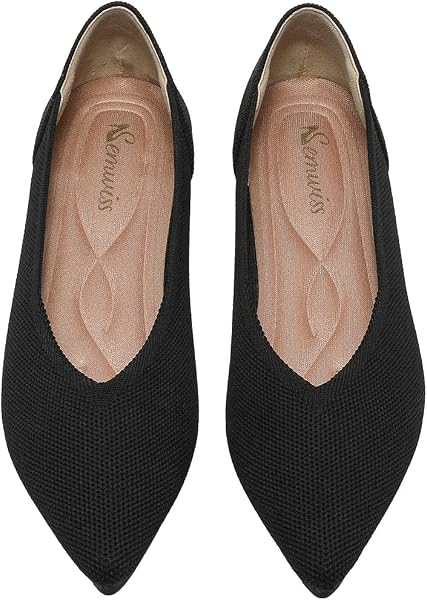
Pointed-toe shoes: a pointed toe extends the line of the leg, even in flats.
Knits follow the same rules. A fitted sweater dress with a belt works well on a petite frame; a very long, chunky one can swamp it. Sweater dress outfits has belting and layering ideas, and for cold-weather options, winter dresses covers the warmest fabrics.
Petite maxi dresses
A regular maxi dress on a petite frame usually pools on the floor, which makes it a trip hazard and hides your shape under extra fabric. Petite maxi dresses are cut shorter, so the hem reaches the ankle or the top of the foot.
You have three good options.
Buy petite: a petite maxi is the easiest route, with the waist and straps in the right place as well as the hem.
Hem a regular maxi: if the dress fits everywhere else, take it up. Tiered maxis are easy to shorten at the top tier seam; plain hems are easy to fold and stitch.
Add height: a platform sandal or a wedge lifts a slightly long maxi off the floor. Measure with the shoes on before you decide.
A slit in a maxi helps too, because it shows a little leg as you walk and keeps all that fabric from looking heavy. Ankle-strap sandals and flat thongs both suit a petite maxi; chunky boots are best saved for midi lengths.
Midi and mini lengths for petites
A midi is the trickiest length for petites, because a regular midi made for a taller frame can land low on the calf or at the ankle. Where it falls matters more than the label says.
The most comfortable midi on a petite frame ends just below the knee or at the narrowest part of the calf. Either point shows a slim part of the leg and keeps the proportions balanced. A midi that ends at the widest part of the calf cuts the leg at its fullest point. If a regular midi falls too low, a petite midi or a quick hem fixes it.
Midis and boots need a little planning. A boot shaft that disappears under the hem looks best; a gap of bare leg between boot and hem can shorten the leg. Ankle boots with dresses covers which hems suit which boots.
Minis and knee-length dresses are easy on a petite frame, because there's less length to get wrong. A knee-length sheath or a short A-line with a defined waist is one of the simplest petite outfits there is.
When to buy petite and when to hem instead
Use this rule of thumb. If the dress fits you everywhere but the hem, buy regular and hem it. If the waist seam, the darts, the straps or the sleeves are in the wrong place too, buy petite.
Hemming is simple for most everyday dresses, and you can even do it with iron-on hem tape and no sewing; how to hem a dress walks through it. A waist seam in the wrong place is much harder and more expensive to move, so petite sizing pays off most on fitted dresses, wrap dresses, shirt dresses and anything with a defined waist.
Department stores and many brands run petite sections, and online you can usually filter by petite. Check the listed length on every dress, though, since one brand's petite can be another's regular. For gowns and black tie events, petite formal dresses covers silhouettes and hem planning in detail.
Is 5'4" petite?
Usually it's the top of the petite range, though some brands stop at 5'3". Check the brand's height guide and, more importantly, its length measurements.
Can petite women wear maxi dresses?
Yes. Choose a petite-cut maxi, hem a regular one, or add a platform sandal so the hem clears the floor.
Is petite the same as XS?
No. Petite is about height and proportion, not size. Petite sizes run from extra small to plus.
Can you be petite and plus size?
Yes. Some brands run petite plus sizes, cut shorter in the torso, sleeves and hem with plus-size room through the body.
Jenisha Jonchhe is a New York-based fashion writer and designer with academic training in fashion design and postgraduate study focused on fast fashion. At LookerDress, she creates practical, research-led content covering occasion dressing, dress codes, fit and sizing, fabrics, seasonal trends, styling and product comparisons. Her fashion background helps her assess garment construction, silhouette, materials, wearability and styling suitability. She translates this knowledge into clear, accessible guidance that helps readers make more informed clothing and accessory choices. Jenisha's articles distinguish between editorial research and products that have been personally examined or tested. Product details, sizing information and availability are checked against current retailer information before publication. Areas of expertise: fashion design, fast fashion, garment construction, dress styling, fabrics, fit and sizing, trend analysis and fashion buying guides.
Academic training in fashion design; postgraduate study focused on fast fashion.
An inverted triangle body shape means your shoulders or bust are wider than your hips, often with a straighter waist. Dresses that keep the shoulders simple, open the neckline with a V and add volume or detail below the waist suit this shape best.
You have a pear (or triangle) body shape if your hips are noticeably wider than your shoulders and bust, usually with a defined waist. The dresses that work best fit at the waist, skim over the hips and draw the eye up with a wider neckline, sleeve detail or color on top.
To find your dress size, measure your bust, waist and hips with a soft tape and compare them to the brand's size chart, choosing the size that fits your largest measurement for fitted dresses. As a rough guide, a US size converts to a UK size by adding 4 and to an EU size by adding 32 (US 8 is about UK 12 and EU 40), but every brand cuts differently.