

Researched
iBayam
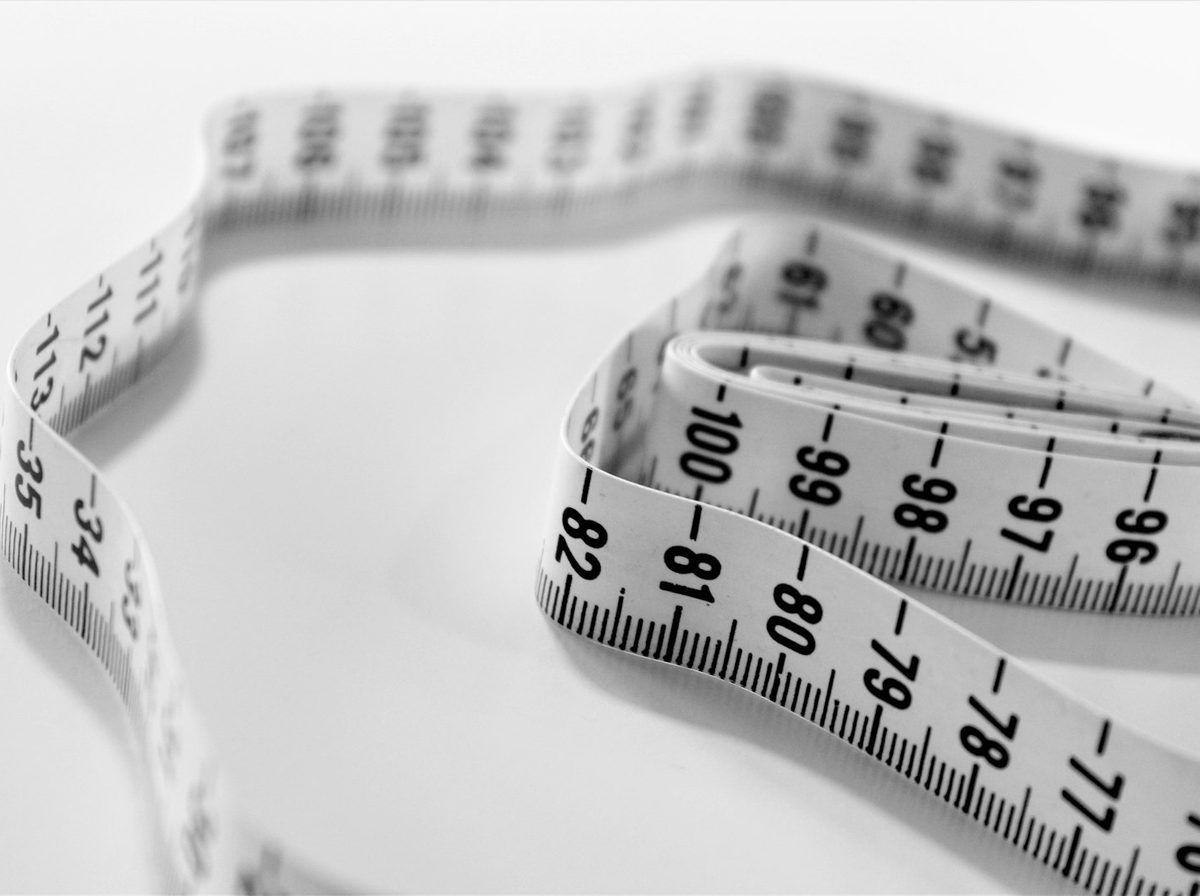
Body Tape Measure, 2 Pack
Two 60-inch (150 cm) tape measures marked in inches and centimeters: one flexible cloth tape and one retractable tape.
To find your dress size, measure your bust, waist and hips with a soft tape and compare them to the brand's size chart, choosing the size that fits your largest measurement for fitted dresses. As a rough guide, a US size converts to a UK size by adding 4 and to an EU size by adding 32 (US 8 is about UK 12 and EU 40), but every brand cuts differently.
Updated Oct 30, 2026 · By Jenisha Jonchhe
This page may contain affiliate links. If you buy something through one, we may earn a commission at no extra cost to you. Read our affiliate disclosure.
To find your dress size, measure your bust, waist and hips with a soft tape and compare them to the brand's size chart, choosing the size that fits your largest measurement for fitted dresses. As a rough guide, a US size converts to a UK size by adding 4 and to an EU size by adding 32 (US 8 is about UK 12 and EU 40), but every brand cuts differently.
That last part matters most. There's no single size chart every brand follows, so the numbers here are a starting point, not a promise. This page shows you how to measure, an example US chart, a conversion chart for UK, EU, Italian and Australian sizes, how to choose between two sizes, and why your size moves from brand to brand.
Here's how to measure for a dress at home. You need a soft tape measure, a mirror and about five minutes. Measure over your underwear or a thin layer, and wear the bra you'll wear with the dress, because bra style changes your bust measurement. If you're not sure which bra suits a neckline, the right bra style helps.
A few tips make the numbers more reliable. Keep the tape snug but not tight; you should be able to slip a finger under it. Don't measure over jeans or a thick sweater. And measure twice, because it's easy to let the tape slip at the back.
To measure your dress size, write the three numbers down in inches and in centimeters, since some charts use only one. Then compare them to the brand's chart for the dress you want. That's the whole method.
iBayam
Two 60-inch (150 cm) tape measures marked in inches and centimeters: one flexible cloth tape and one retractable tape.
This women's dress size chart is one example, taken from a dress brand's published chart (Jovani, an evening-wear label). It sits beside the brand's how-to-measure steps, so read the numbers as body measurements, not the size of the dress itself. Other brands will differ by an inch or more in places, so treat it as a guide to the general pattern.
Notice the steps. Between small sizes, each size adds about an inch at bust, waist and hips. From size 12 up, the steps get bigger, closer to two inches. That's typical of how size charts are built, and it's why being "between sizes" feels different at different points on the chart.
Letter sizes don't line up neatly with numbers. One brand's medium is another's large, so always check the letter-to-number line on the chart for the dress you're buying.
To convert a UK size to a US size, subtract 4. To go from US to EU (French and most of continental Europe), add 32. Italian sizes usually run about 4 higher than the EU number, and Australian sizes match UK sizes. Here's the conversion, from a published international size chart. The Italian column follows that chart's note that Italian brands usually number about two sizes higher than the French scale, so treat it as rough.
These conversions are approximate. A UK brand's size 12 and a US brand's size 8 aren't cut from the same pattern, so the conversion tells you where to start, not exactly how the dress will fit. When a brand publishes measurements, trust those over the conversion.
Heads up
Your dress size is the one whose measurements match yours on that brand's chart. When your bust, waist and hips land in three different sizes, which is very normal, the cut of the dress decides which number wins.
Fabric changes the answer too. A stretch jersey or a knit with spandex in it gives you room, so you can often take the smaller size when you're between two. A woven fabric with no stretch, like crepe, satin or linen, doesn't give at all, so take the larger size and plan to tailor it. Adjustable straps help with fit through the bust and length on slip dresses.
If a dress needs taking up at the hem as well, it's an easy job to do yourself; see how to hem a dress.
72styles
A convertible multi-way maxi that the listing says fits US 0 to 16 (one size) or 18 to 24 (plus). Listing details: polyester and spandex; machine wash.
Amazon Essentials
A short-sleeve V-neck T-shirt dress in viscose stretch jersey, midi length (46 3/4 inches from the side neck on size S), with two side slits. Listing details: 95 percent viscose and 5 percent elastane; sizes X-Small to XX-Large; machine wash.
AUHEGN
A basic rayon-spandex cami slip mini with adjustable spaghetti straps, sizes XS to XXL. Listing details: machine wash.
Owning clothes in two or three different sizes is normal, and it's not you, it's the industry. US dress sizes aren't fixed by law. There are voluntary industry tables of body measurements, such as ASTM D5585 for misses sizes 00 to 20, which designers can use as a baseline, but brands cut their own patterns and add their own ease.
A few things explain the differences:
So read the brand's own chart every time, even for a brand you know. And check whether the chart lists body measurements or garment measurements. A garment measurement is the dress itself, laid flat, and will be larger than your body measurement by the ease the designer built in.
Standard US sizing is cut for an average height range. If you're shorter, taller or wear a larger size, the specialty charts fit better than the standard one.
Whichever chart you use, measure yourself first and keep the numbers in your phone. It saves a return every time you shop online.
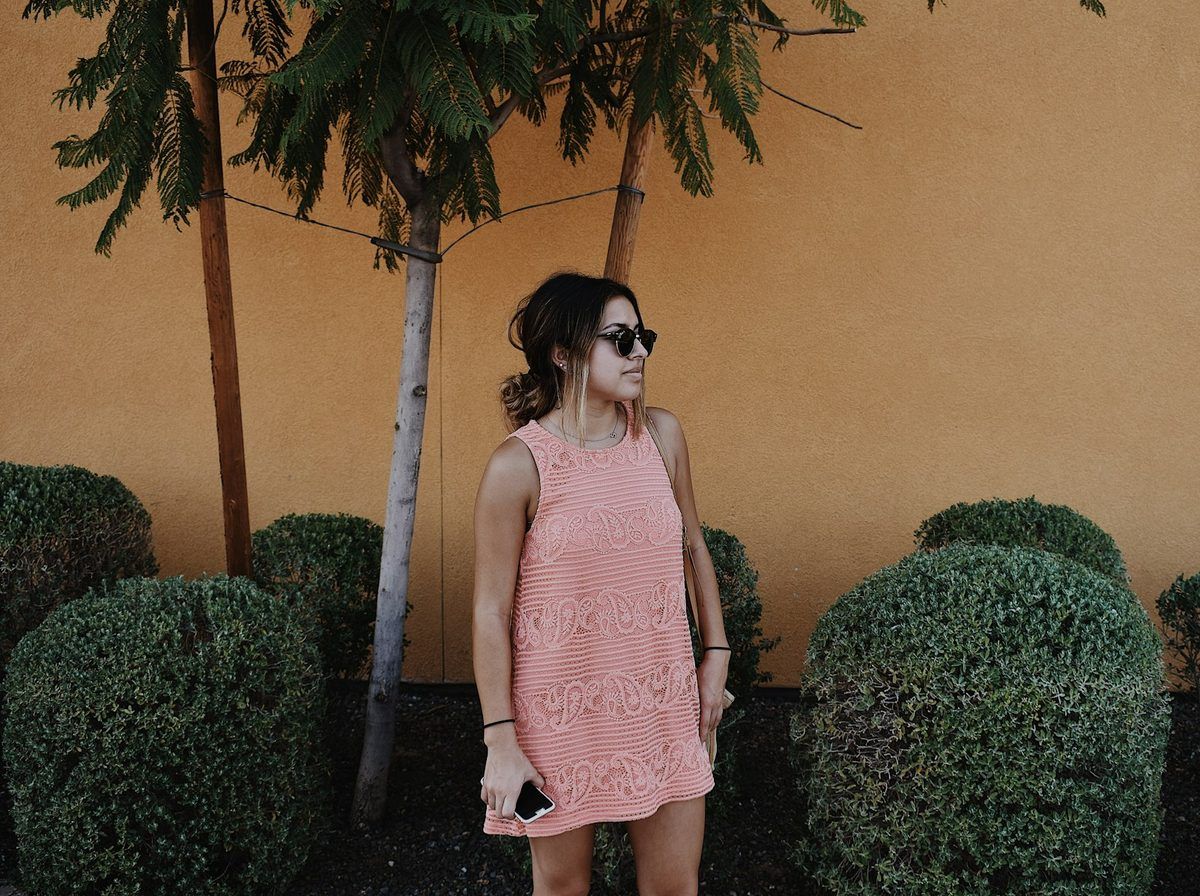
Petite dresses are cut for women around 5'4" and under, with a shorter torso, shoulder-to-waist length, sleeves and hem, so the waist, darts and hem land in the right place. That's different from a small size: petite is about height and proportion, and many brands run petite in every size.
Updated Oct 30, 2026 · By Jenisha Jonchhe
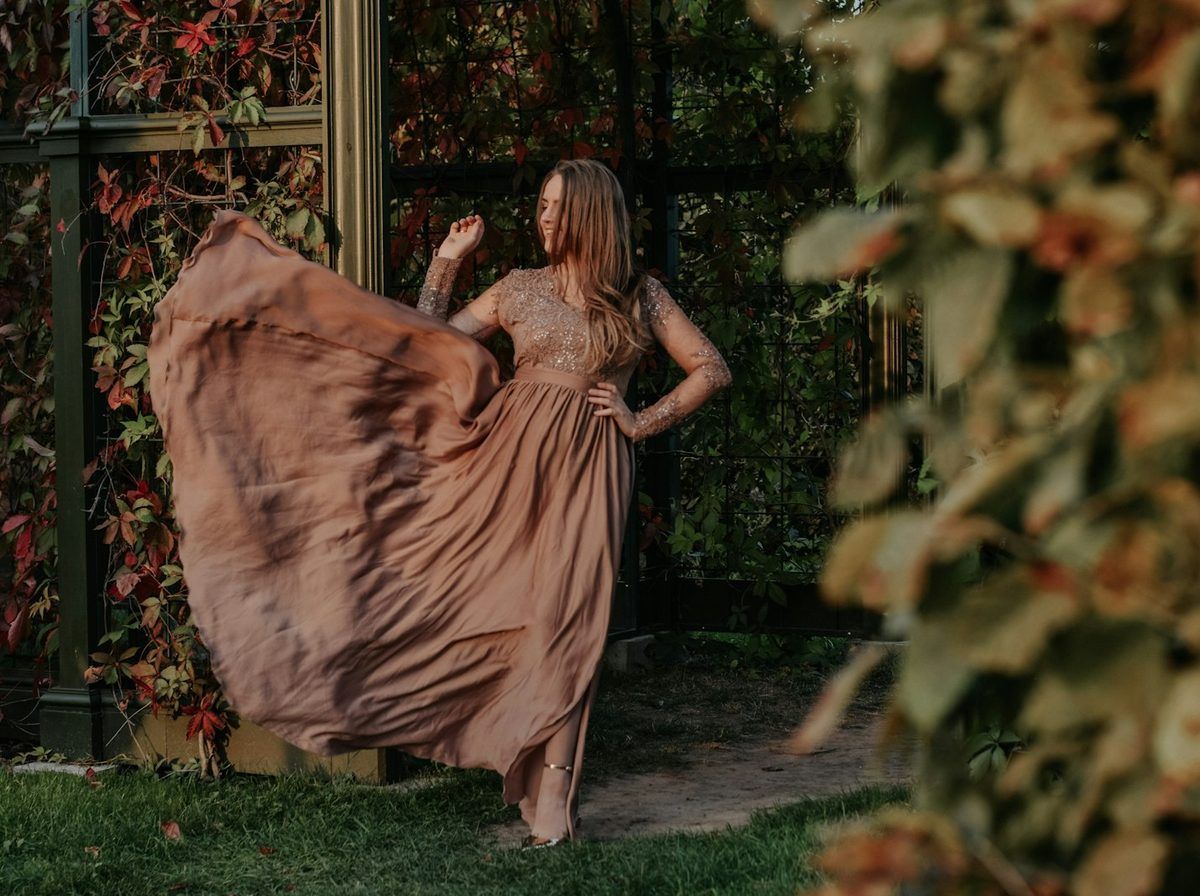
Petite formal dresses work best with a defined waist, a streamlined column or A-line skirt and details scaled to your frame, like a slim strap instead of a big ruffle. Buy petite-cut gowns where you can, and plan to hem any floor-length gown to the exact heels you'll wear.
Updated Oct 29, 2026 · By Jenisha Jonchhe
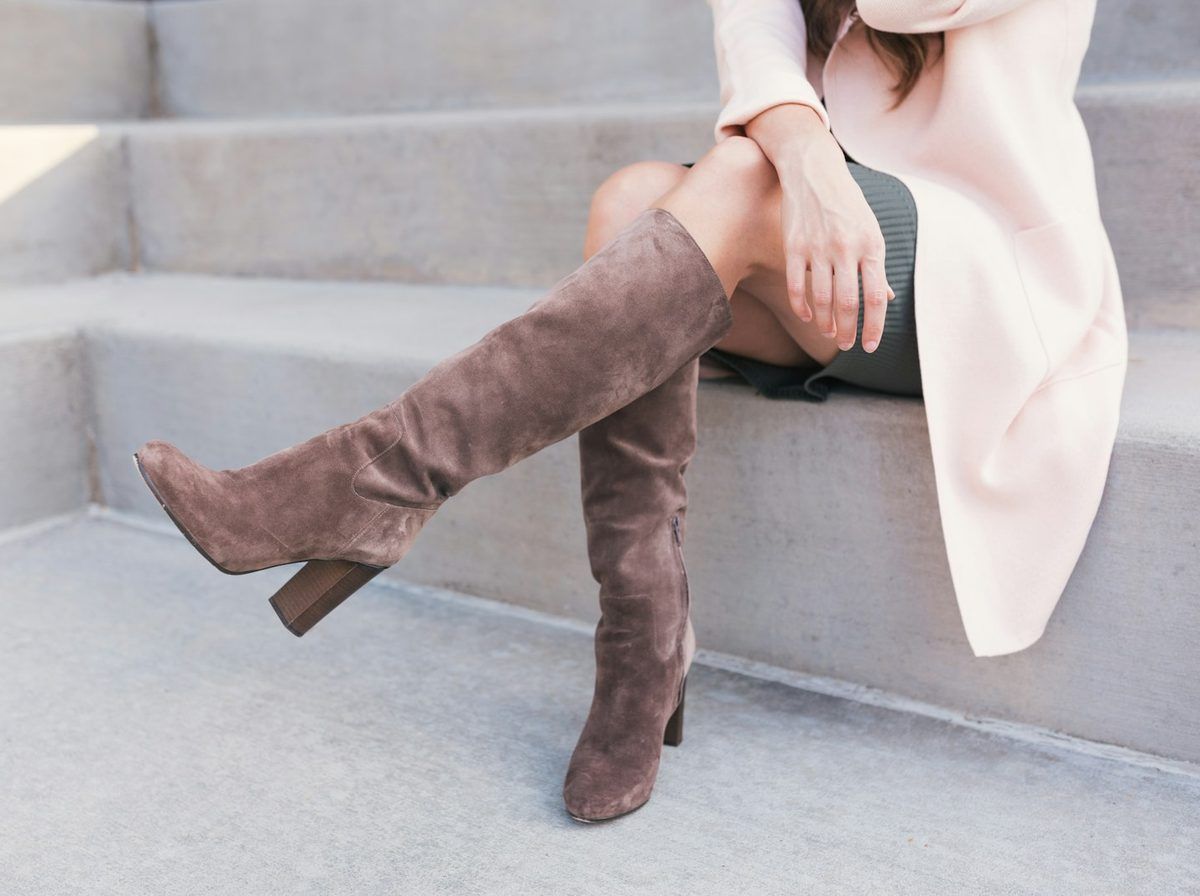
The right wide calf boot is the one whose listed shaft circumference is slightly bigger than your calf at its widest point, with room for tights. Measure first, then pick the style: knee-high and riding boots are the easiest to pair with midi dresses and sweater dresses.
Updated Oct 16, 2026 · By Jenisha Jonchhe


