

Researched
ZESICA
Halter Tiered Ruffle Midi Dress
A sleeveless halter-neck chiffon midi with an elastic high waist, tiered ruffles and a back tie; the listing says it is fully lined. Listing details: polyester; sizes Small to X-Large; machine wash.
The colors that suit you depend mostly on your undertone, warm, cool or neutral, not just on how light or deep your skin is. Warm undertones tend to look best in golden, earthy shades; cool undertones in blue-based jewel tones and clear pastels; neutral undertones can wear most of both.
Updated Oct 27, 2026 · By Jenisha Jonchhe
This page may contain affiliate links. If you buy something through one, we may earn a commission at no extra cost to you. Read our affiliate disclosure.
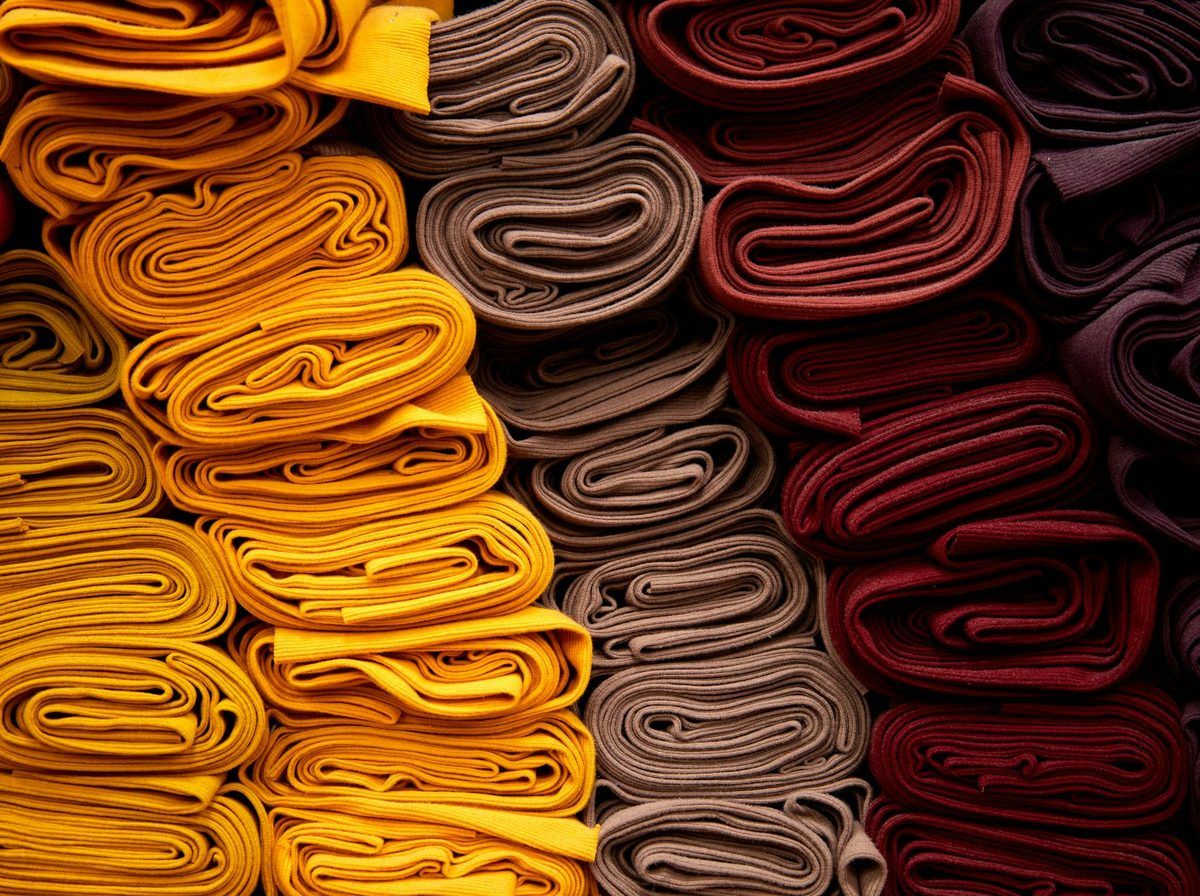
The colors that suit you depend mostly on your undertone, warm, cool or neutral, not just on how light or deep your skin is. Warm undertones tend to look best in golden, earthy shades; cool undertones in blue-based jewel tones and clear pastels; neutral undertones can wear most of both.
None of this is a rule you have to follow. It's a shortcut for shopping: when a dress sits near your face, the right shade makes your skin look clear and rested, and the wrong one can make you look tired. This guide shows you how to find your undertone, which shades tend to work by skin tone, a short take on seasonal color analysis, and how to try a color before you spend money on it.
Your skin tone is how light or deep your skin is. Your undertone is the color underneath: warm (yellow, peach or golden), cool (pink, red or blue) or neutral (a mix of both). Two people with the same depth of skin can have different undertones, which is why the same dress looks great on one and flat on the other.
Do these in daylight, near a window, with a bare face if you can.
If you get mixed answers, you're likely neutral, which is good news. It means you can wear most colors as long as they aren't extreme in either direction.
Depth and undertone work together. Use your depth to choose how much contrast you can carry, and your undertone to choose warm or cool versions of each color.
The colors that look good on fair skin are usually soft to medium in strength. Very bright or very dark shades can overpower a light complexion, though they can work beautifully if your hair is dark and gives you natural contrast.
A dress example: a powder blue or blush midi for spring, or a soft navy wrap dress for work. Pale yellows can work too; butter yellow dresses shows how to wear the softest version.
ZESICA
Halter Tiered Ruffle Midi Dress
A sleeveless halter-neck chiffon midi with an elastic high waist, tiered ruffles and a back tie; the listing says it is fully lined. Listing details: polyester; sizes Small to X-Large; machine wash.
Olive skin has a green or gray cast alongside its warm or neutral undertone, and it often finds both pastels and very orange shades a little difficult. The colors that look good on olive skin are usually rich and slightly muted.
A dress example: an emerald satin midi for evening, or a rust linen dress for summer. Deep greens are especially easy here; see green Christmas dresses for emerald and forest green in velvet and satin.
Medium and tan skin can carry more saturated color than fair skin, and most mid-strength shades work.
A dress example: a cobalt or coral midi in summer, or a wine velvet dress in winter. Deep reds like wine and burgundy suit a wide range of medium skin; burgundy wedding guest dresses covers fall and winter styles.
ANRABESS
Ribbed Knit Long-Sleeve Midi Dress
A crew-neck long-sleeve midi in a vertical ribbed knit with an attached self-tie belt and side slits; the listing gives the knit a moderate thickness. Listing details: viscose, nylon and polyester; sizes Small to X-Large; hand wash only.
Deep skin looks wonderful in strong, saturated color and clear brights, and it handles contrast well.
A dress example: a ruby or emerald velvet midi for the holidays, or a bright white cotton dress in summer. Velvet makes jewel colors look even deeper; velvet wedding guest dresses shows jewel-tone velvet for fall and winter events. Pastels can look lovely too, if you pick the clear, bright versions rather than dusty, grayed ones.
Simplee
Velvet V-Neck Empire-Waist Maxi Dress
A V-neck velvet maxi with short flared sleeves and an empire waist. Listing details: polyester and elastane; sizes Small to 4X-Large; hand wash.
Tip
Color analysis is a styling system that sorts people into four seasons, spring, summer, autumn and winter, based on undertone, depth and contrast. Many analysts split each season into three sub-seasons, for twelve in total. A professional session usually involves draping fabric swatches under your chin in good light and watching how your skin responds.
The idea is simple: warm seasons (spring and autumn) suit golden colors, cool seasons (summer and winter) suit blue-based ones, and the depth and contrast of your features decide how bright or muted your best colors are.
The winter color palette is the cool, clear, high-contrast one. It suits people with cool undertones and a strong contrast between hair, skin and eyes. Winter colors include black, bright white, true red, royal blue, emerald, fuchsia and icy pastels. In dresses, that means a black column gown, a true red cocktail dress or a sapphire satin slip. If you're a winter, a clean red dress in a blue-based shade is likely to be one of your best colors.
Treat any season as a starting point, not a verdict. It's an opinion about color, not a measurement, and two analysts can disagree.
Jewelry follows undertone too. Gold, rose gold and brass warm up skin with a warm undertone. Silver, white gold and platinum-colored metals sit better on cool skin. Neutral undertones can wear either.
That's a guideline, not a ban. Mixed metals are perfectly fine, and a stack of gold and silver together looks deliberate. If you love a metal that "isn't yours", wear it with a dress in one of your best colors and it'll look right.
Pearls suit nearly everyone; cream pearls are slightly warmer and white pearls slightly cooler.
PICKBEAU
Four pairs of stainless steel hoops from 30 to 60 mm on 925 sterling silver posts, offered as gold-plated or silver-tone sets with snap backs; the listing calls them hypoallergenic.
You don't need a professional to find your colors. Your closet already has what you need.
Then take a photo in daylight of yourself in your two best yeses. The camera is less kind than a mirror, and it shows the difference clearly.
When you shop online, compare the color name and the photo with your yes pile before you order. If a pale shade is part of your plan for winter, winter white dresses covers the warm whites, cream, ivory and oat, that work in the cold months.
Color Me Beautiful
A pocket swatch fan of 48 named color chips on matte paper, about 3.75 x 1.5 inches, offered for Spring, Summer, Autumn and Winter palettes.
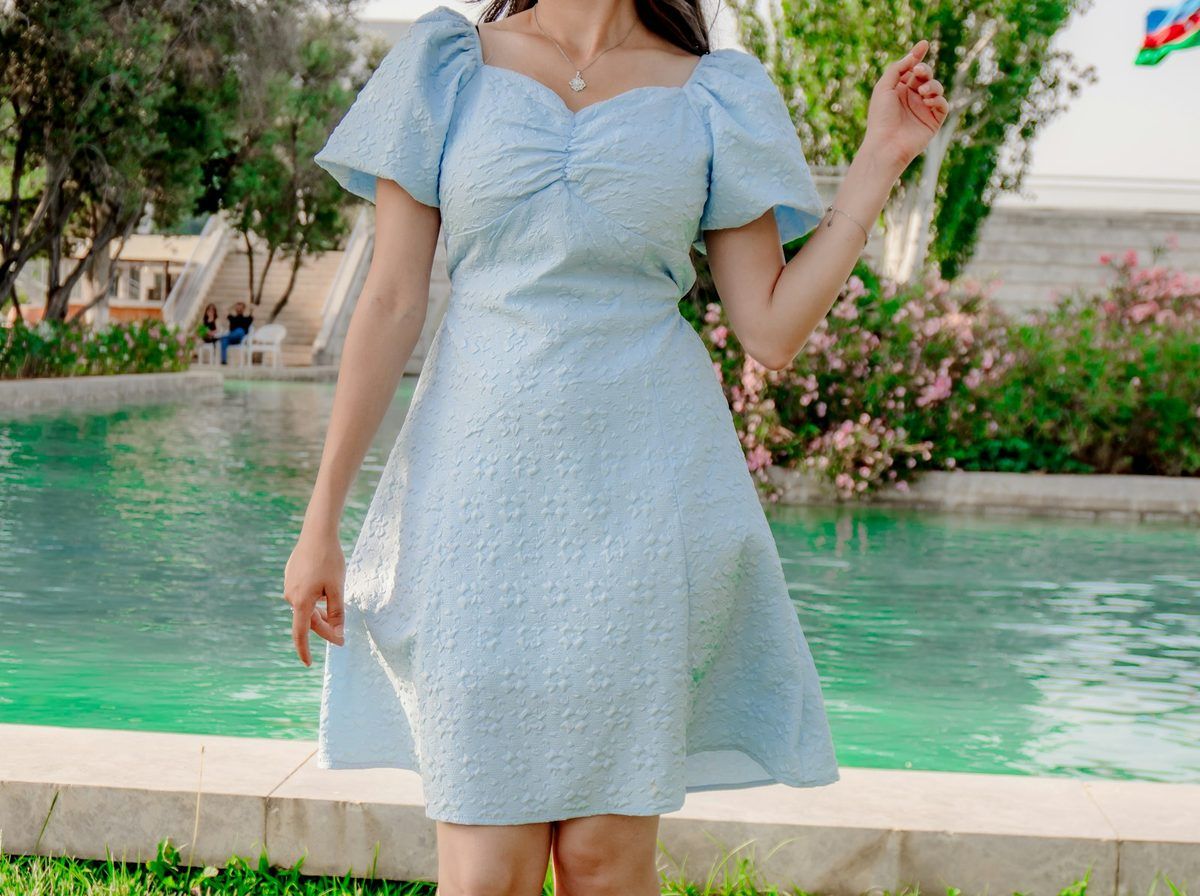
An A-line dress is fitted through the bust and waist and then widens gradually to the hem, so the outline looks like a capital A. Because the skirt skims the hips instead of hugging them, it's one of the easiest shapes to wear for almost any body type and occasion.
Updated Nov 1, 2026 · By Jenisha Jonchhe
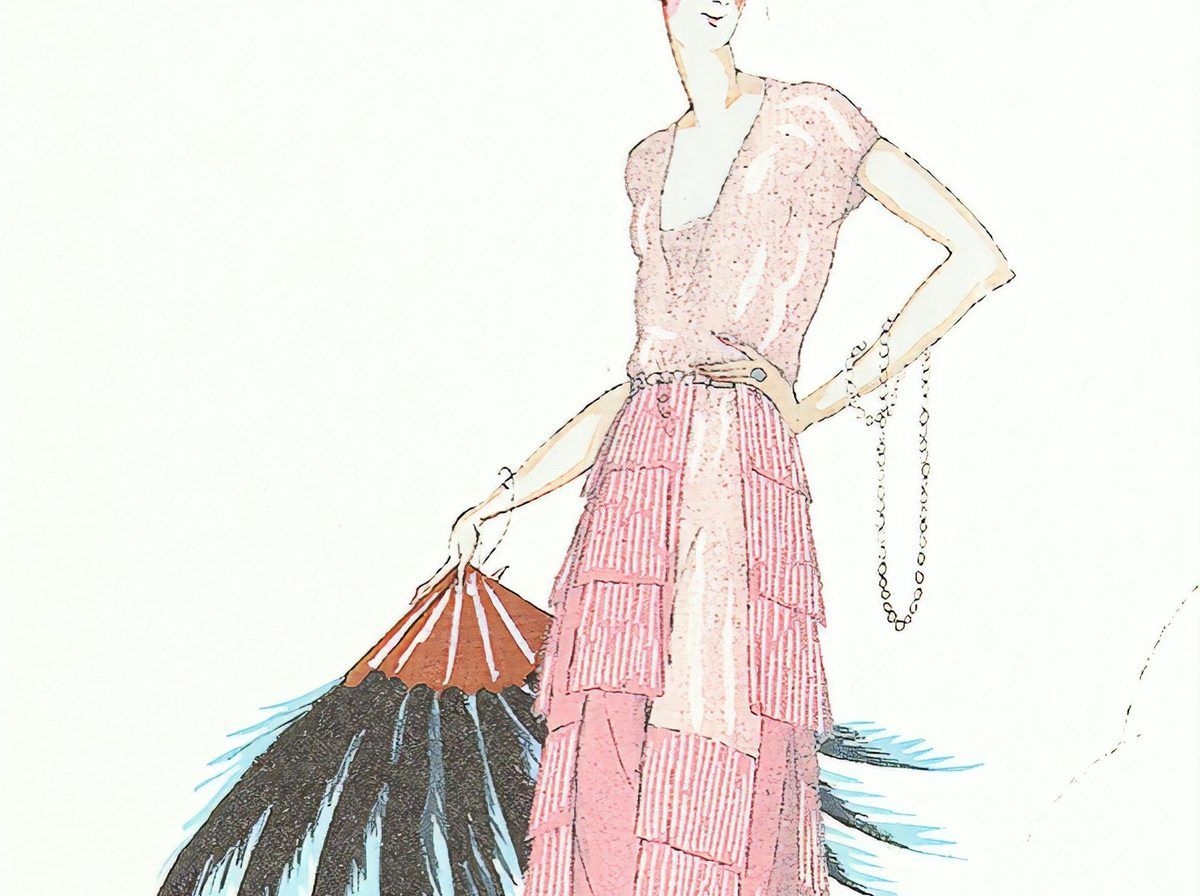
A drop waist dress has its waistline at the hip instead of the natural waist, so the bodice runs long and straight and the skirt, often pleated or gathered, starts low. The shape dates back to the 1920s and is back now in midi, mini and knit versions that you wear with flat shoes and minimal styling.
Updated Nov 1, 2026 · By Jenisha Jonchhe
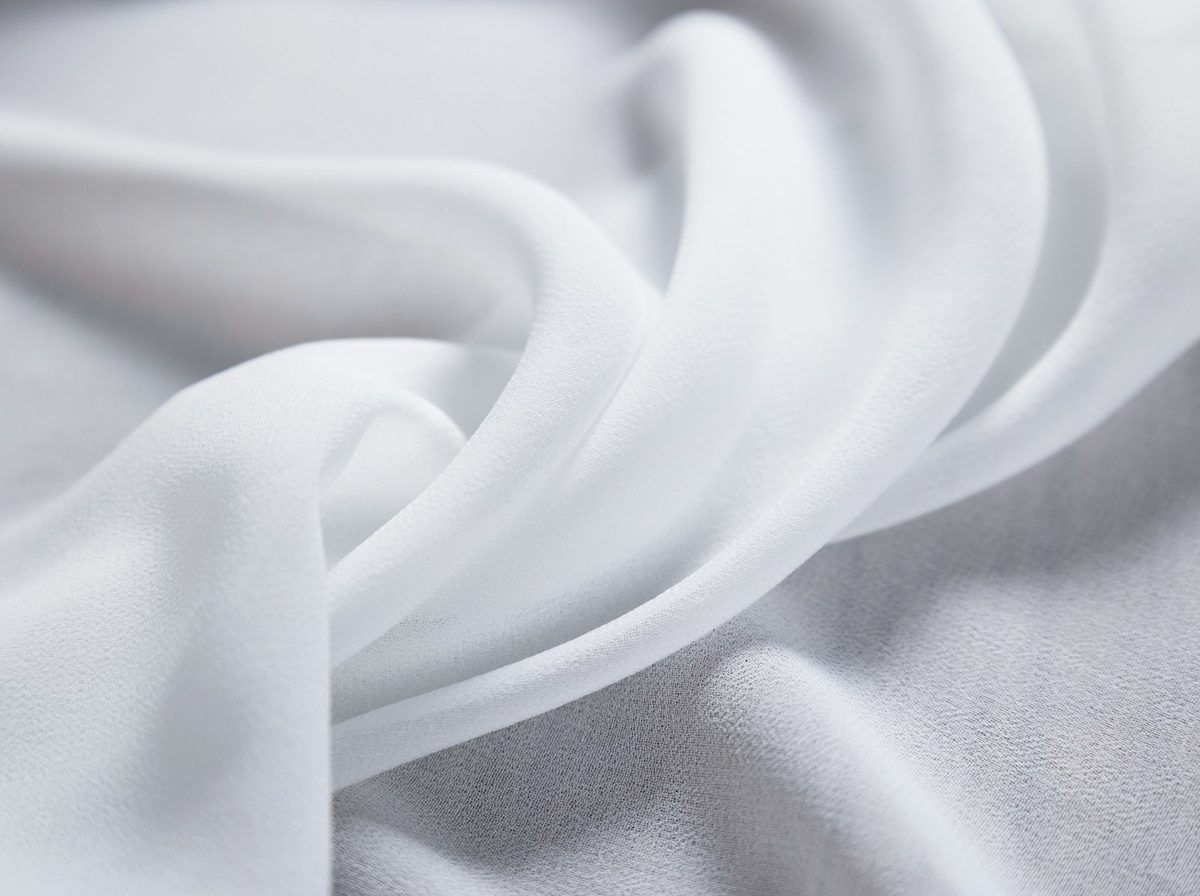
Chiffon is a sheer, lightweight fabric woven from tightly twisted yarns, which gives it a soft, floaty drape and a faint texture. It started as a silk fabric, but it's now commonly made from polyester, which makes it more affordable, and silk chiffon sits at the pricier end.
Updated Nov 1, 2026 · By Jenisha Jonchhe


