A drop waist dress has its waistline at the hip instead of the natural waist, so the bodice runs long and straight and the skirt, often pleated or gathered, starts low. The shape dates back to the 1920s and is back now in midi, mini and knit versions that you wear with flat shoes and minimal styling.
Updated Nov 1, 2026 · By Jenisha Jonchhe
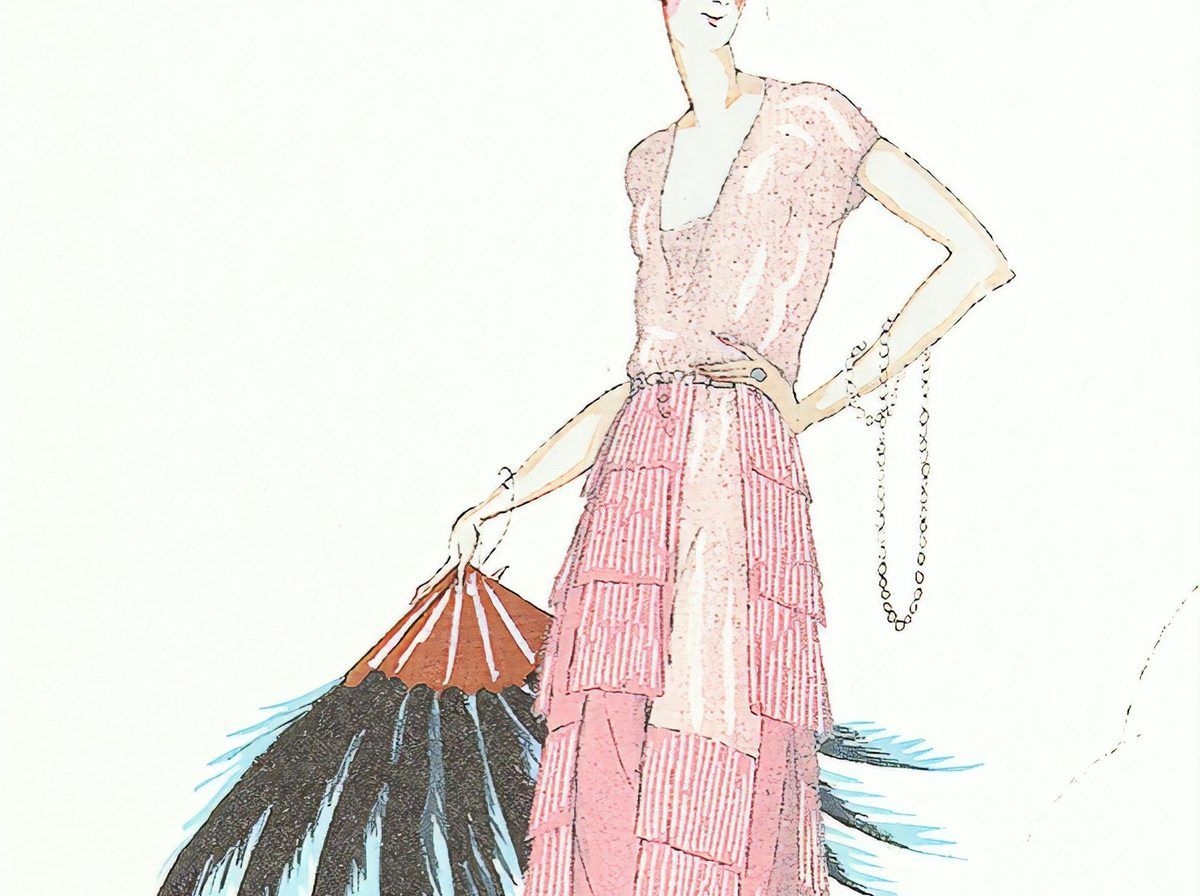
Photo: McGill Library on Unsplash
This page may contain affiliate links. If you buy something through one, we may earn a commission at no extra cost to you. Read our affiliate disclosure.
A drop waist dress has its waistline at the hip instead of the natural waist, so the bodice runs long and straight and the skirt, often pleated or gathered, starts low. The shape dates back to the 1920s and is back now in midi, mini and knit versions that you wear with flat shoes and minimal styling.
It's a dress that looks relaxed and a little vintage. It also asks for a light hand with everything else, which is good news if you like getting dressed fast.
What a drop waist dress is
A drop waist dress is any dress whose waist seam sits below your natural waist, somewhere between the top of the hip and the widest part of it. The bodice above runs long and usually straight. The skirt below starts low, so it's shorter and often fuller than you'd expect.
Where the seam sits changes the look. A high drop, just below the waist, is subtle and easy to wear. A low drop, at the hip bone or below, gives the strongest 1920s line.
The skirt treatment matters as much as the seam:
Pleats: knife or box pleats give a crisp, swingy skirt.
Gathers: softer and fuller, good in cotton and linen.
A flounce: a single wide ruffle starting at the seam, lighter and more playful.
A bubble: the hem tucks back under itself. That's its own style; see bubble hem dresses.
Fabric changes the mood. A drop waist in a fine rib knit feels sporty and easy; in pleated satin it's an evening dress; in cotton poplin it's a crisp summer day dress. Brands also use "drop waist" loosely, so check the photos: the seam should be clearly visible at the hip, not just suggested by a belt.
It sits alongside A-line, sheath and empire in our guide to types of dresses.
From the 1920s to now
The drop waist belongs to the 1920s, when straight, loose dresses with a low waistline replaced the corseted shapes of earlier decades and the flapper look was built around it. The shape has come back several times since. Today's versions are often midi length, often in knit or pleated satin, and worn far more casually than the beaded originals.
Who suits a drop waist
A drop waist is easiest on a straight figure, because it extends the line of the torso instead of trying to create a waist that isn't there. If you have an inverted triangle body shape, the low seam and a fuller skirt add volume below and balance broader shoulders. A long torso wears the shape without effort.
Petite readers can wear one too. Go for a midi or mini with a higher drop, because a very low seam on a short frame leaves little room for the skirt and can shorten the legs.
Curvy and short-waisted readers can wear it too, with two adjustments. Pick a higher drop, so the seam sits just below the waist rather than at the widest part of the hip. And pick a soft skirt (gathers or a fluid pleat) over a stiff, puffy one, which adds bulk exactly where the seam already draws the eye.
Drop waist lengths
The length decides whether a drop waist reads casual, polished or party. Our guide to where each hem lands on the leg is dress lengths.
Drop waist midi dress
The drop waist midi dress is the easiest version to wear. A pleated skirt that ends mid-calf balances the long bodice, so the proportions look intentional instead of stretched. In satin it works for dinner or a daytime wedding; in cotton or a knit it's a weekday dress.
Try one with a gathered or flounced skirt too. It feels softer and a little less formal than knife pleats.
Drop waist maxi dress
A drop waist maxi dress is long and relaxed: a low seam with a full skirt that falls to the ankle. It suits vacation, summer weekends and outdoor events. Because there's so much length below the seam, it works best in a light fabric that moves, like cotton voile, linen or a soft viscose. Pair it with flat sandals.
A crew-neck, long-sleeve maxi whose close-fitting bodice runs into a V-shaped drop waist seam and a gathered skirt, with side-seam pockets. Listing details: rayon, polyester and spandex; sizes Small to X-Large; machine wash.
The mini is the party and going-out version: a short pleated or flared skirt under a long bodice, with sheer tights in cooler months. It looks youthful and a bit retro. Sequins or velvet make it festive; plain cotton keeps it casual. Because the skirt is short and starts low, a mini drop waist has very little skirt, so check the full length against your own legs before ordering. Flat Mary Janes or loafers keep it playful; a pointed heel makes it sharper.
A sleeveless chiffon halter mini with a drop waist and an A-line skirt, a backless cut and a bow-tie back, which pulls on. Listing details: polyester with some stretch; sizes X-Small to X-Large; machine wash.
Keep it simple, because the shape is already doing a lot.
In winter, a knit or sweater drop waist dress is the easiest pick. Wear it with sheer black tights or opaque tights and either knee boots or loafers. A cropped cardigan or a short jacket that ends near the drop seam keeps the line clean; a long coat should cover the whole dress.
In summer, go bare-legged with sandals or espadrilles and a cotton or linen dress. A straw bag fits the relaxed mood.
Flat shoes suit the shape best. Ballet flats with dresses look especially right on a drop waist midi, and a low block heel works for evenings. Skip platforms, which make the bottom half look heavy.
Jewelry is optional. A long pendant necklace echoes the 1920s line, or wear nothing at all.
Square-toe Mary Jane ballet flats with an adjustable buckled strap, a memory foam insole and a 1/4-inch heel on a flexible sole the listing describes as non-slip. Listing details: velvet or faux suede upper, faux leather lining, rubber sole; sizes 5 to 13.
A drop waist midi in a matte fabric (ponte, crepe or a fine knit) is easy office wear. Add a fitted blazer that ends near the drop seam and loafers or low pumps. Skip shiny satin pleats for the office; they read as evening.
For a wedding or party
Satin, chiffon or a pleated metallic fabric turns the shape festive. A drop waist midi with heeled sandals works for a daytime or cocktail wedding, and a sequined mini with tights suits a holiday party. Keep the clutch small and the earrings the only big jewelry.
What to skip
Don't belt it at your natural waist: that fights the low seam and makes the dress look as if it's the wrong size.
The proportion rule
A drop waist makes your torso look longer on purpose, so everything else should help that line read as a choice. Keep the top half quiet: a plain neckline, no big collar, no cropped layer that cuts across the bodice. Keep the shoes low. And let the skirt be the one thing with movement. When the top is long and calm and the skirt swings, the dress looks current, not like a costume.
FAQ
Is a drop waist dress flattering on a pear shape?
It can be. Choose a higher drop, so the seam sits above the widest part of your hips, and a soft gathered or fluid pleated skirt instead of a stiff, puffy one.
Can you wear a belt with a drop waist dress?
Yes, if it's slim and sits on the drop seam itself. A belt at your natural waist fights the low line of the dress.
Are drop waist dresses in style?
They're back in shops now, mostly as pleated midis and knit dresses. It's a shape that returns regularly, so a simple one won't date quickly.
What shoes go with a drop waist dress?
Ballet flats, loafers and low block heels suit it best. In winter, wear knee boots or ankle boots with tights.
Share this guide
Written by
Jenisha JonchheFashion Writer and Designer
Jenisha Jonchhe is a New York-based fashion writer and designer with academic training in fashion design and postgraduate study focused on fast fashion. At LookerDress, she creates practical, research-led content covering occasion dressing, dress codes, fit and sizing, fabrics, seasonal trends, styling and product comparisons. Her fashion background helps her assess garment construction, silhouette, materials, wearability and styling suitability. She translates this knowledge into clear, accessible guidance that helps readers make more informed clothing and accessory choices. Jenisha's articles distinguish between editorial research and products that have been personally examined or tested. Product details, sizing information and availability are checked against current retailer information before publication. Areas of expertise: fashion design, fast fashion, garment construction, dress styling, fabrics, fit and sizing, trend analysis and fashion buying guides.
Academic training in fashion design; postgraduate study focused on fast fashion.
An A-line dress is fitted through the bust and waist and then widens gradually to the hem, so the outline looks like a capital A. Because the skirt skims the hips instead of hugging them, it's one of the easiest shapes to wear for almost any body type and occasion.
The main types of dresses are defined by their silhouette: A-line, sheath, shift, fit-and-flare, empire waist, drop waist, wrap and bodycon. Style names like slip, shirt, sweater and corset dress describe the fabric or a detail, and most dresses are one silhouette plus one style.
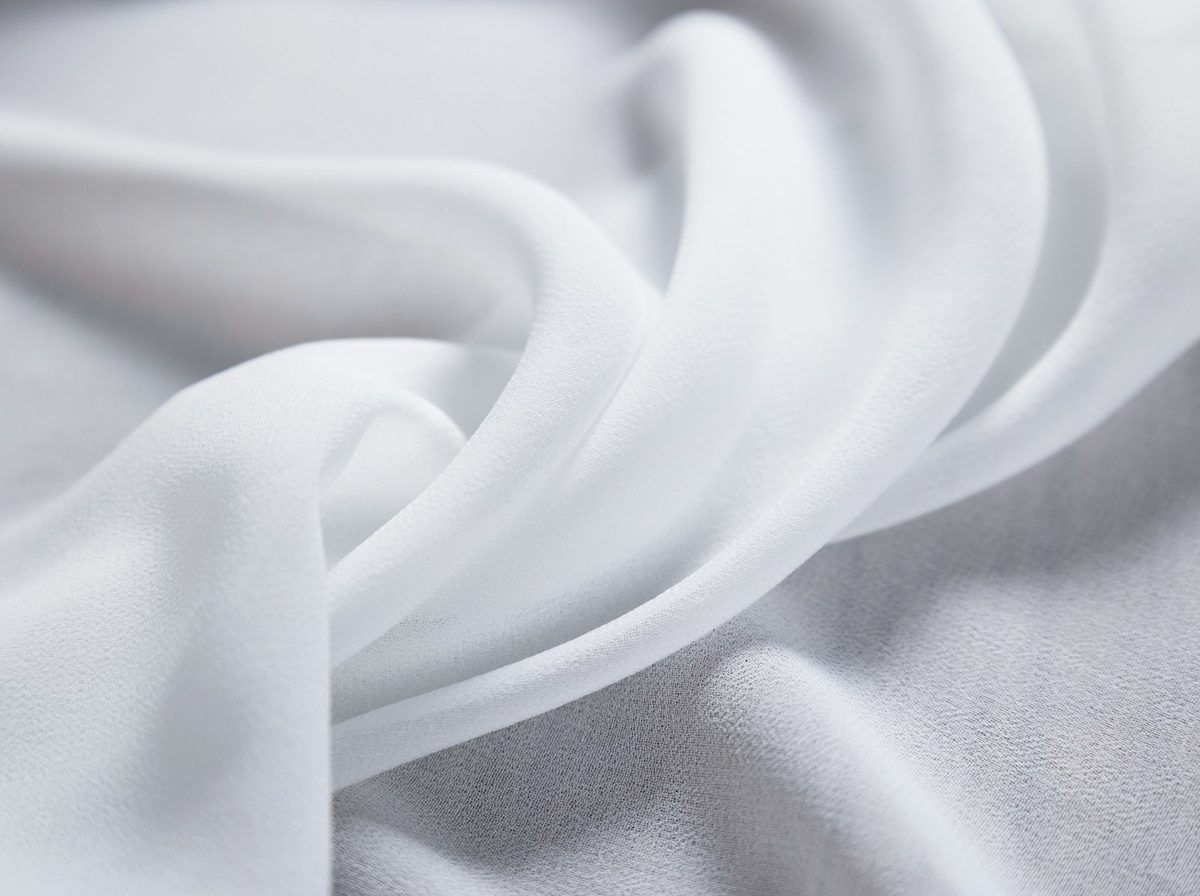
Chiffon is a sheer, lightweight fabric woven from tightly twisted yarns, which gives it a soft, floaty drape and a faint texture. It started as a silk fabric, but it's now commonly made from polyester, which makes it more affordable, and silk chiffon sits at the pricier end.