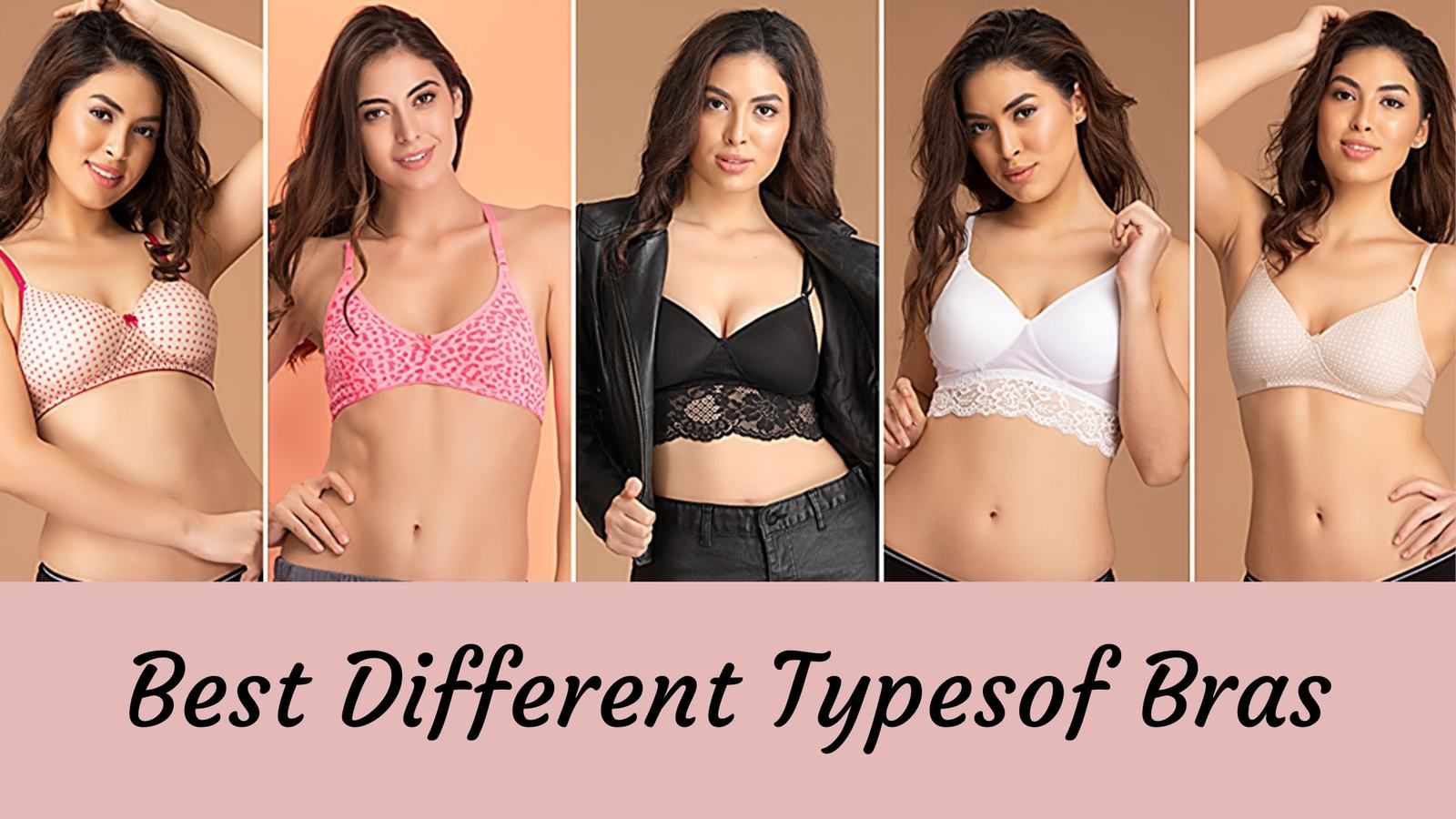
Most of us own one or two bras and wear them on repeat. That works until an outfit needs something different: a backless dress, a clingy tee, a run. This guide covers 15 common bra types, who each one suits, and the catch to know before you buy.
Fit matters more than style. A bra in the right band and cup size will look better and feel better than any "perfect" style in the wrong size.
Everyday bras
T-Shirt Bra
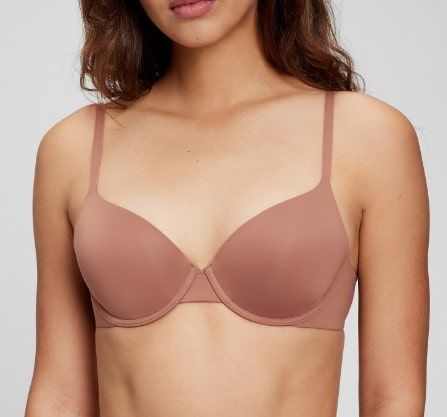
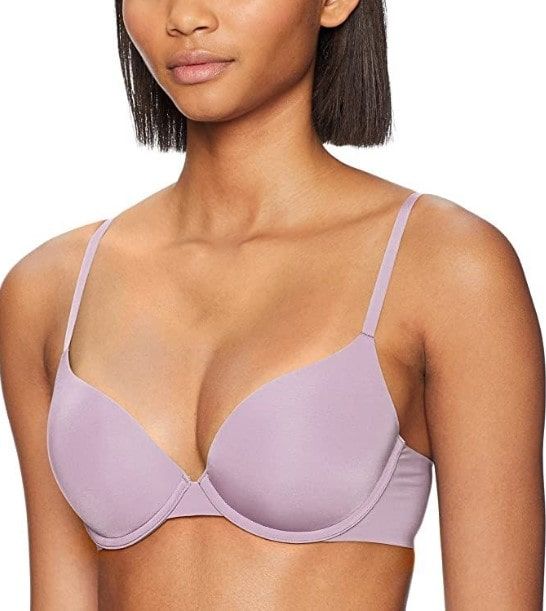
This is the one to own first. It has smooth, molded cups with no seams or lace, so nothing shows through a fitted tee. The cups are lightly lined, which also hides nipples under thin knits.
It's the closest thing to a default bra. If you only buy one style, buy this, in a shade close to your skin tone rather than white.
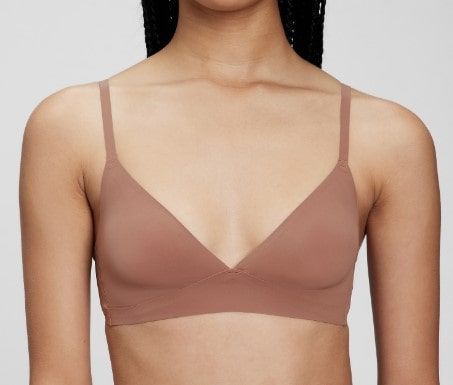
Seamless Bra
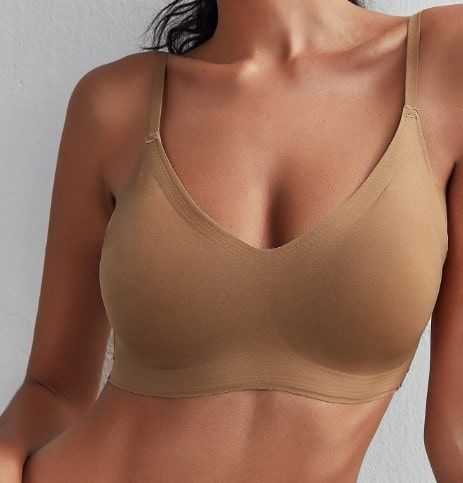
A seamless bra is made from one smooth piece of stretchy fabric, with no stitched edges to leave lines under knitwear or tight dresses. It's soft and easy to wear all day.
The catch: seamless styles often give less shape and hold than a structured cup, so they suit smaller to medium busts best. Fuller busts may want a seamless-look bra with a firmer cup.
Non-Padded Bra
Two thin layers of fabric make up the cup, with no foam. You get a natural shape and a lighter, more breathable feel. Many people with fuller busts prefer them because they don't add bulk.
If you need nipple coverage under thin tops, check for lined cups or layer a camisole over it.
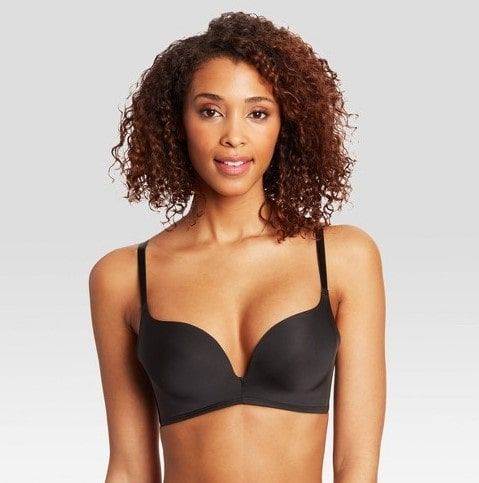
Padded Bra
Padded bras have foam or removable inserts in the cups. How much lift you get depends on the padding, which runs from barely there to very thick. Underwire and wire-free versions both exist.
They give a smoother outline under clothes and a bit more shape, which many people with a smaller bust like. Choose light padding for daily wear and save heavy padding for outfits where you want the extra volume.
Lace Bra
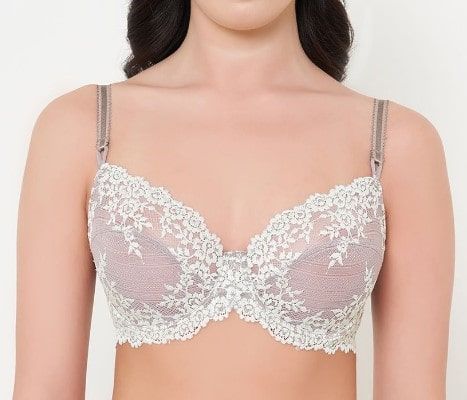
Lace is soft, light and breathes well, which makes it comfortable on warm days. It's also what many people reach for on a date or a special night.
But raised lace patterns can show as texture under a thin top. Keep lace bras for outfits with some thickness, or wear them as part of the look under an open shirt.
For specific outfits
Strapless Bra
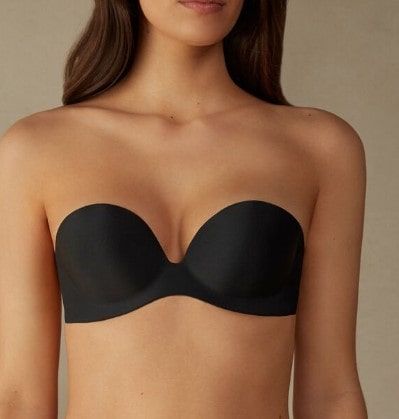
No straps, so it works under off-the-shoulder tops, strapless dresses and anything with bare shoulders. A good one has silicone grip along the band and firm side boning to keep it up.
It gives less support than a regular bra, so most people don't wear one all day. If yours slips, the band is probably too big. Go down a size before buying a sticky fix.
Bandeau / Tube Bra
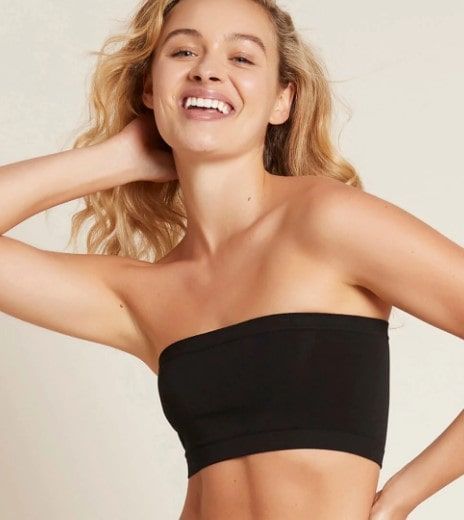
A bandeau is a straight, stretchy band across the chest, with or without straps. Some are plain cotton, others are lace. It sits flat under tube tops and racerback styles and suits smaller busts best, since there is little structure.
Padding is optional, and some have removable pads.
Halter Bra
The straps cross behind your neck instead of over your shoulders, which keeps them out of sight under halter tops and dresses and takes pressure off the shoulders. Padded and unpadded versions exist.
Check the size carefully. With the weight pulled to the neck, a bra that's too big will make the bust sag.
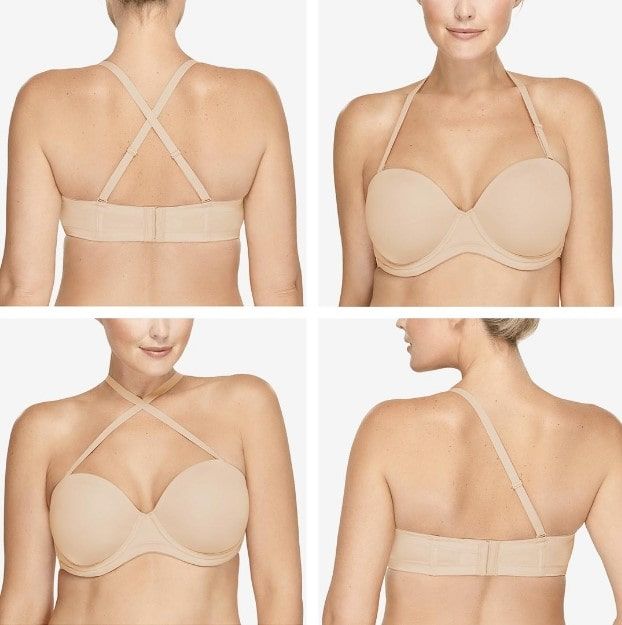
Multiway / Convertible Bra
The straps unclip and move: crisscross, halter, one-shoulder, or off entirely for a strapless look. It's the most flexible bra you can own, and a smart pick for travel or for a wardrobe with a lot of different necklines.
The tradeoff is that it usually doesn't do any single job as well as a bra built for it.
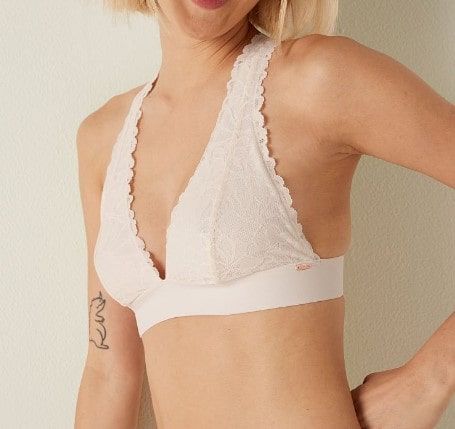
Bralette
A bralette is soft and light, usually lace or stretch fabric, with no underwire and often no padding. It's easy to wear and easy to show: peeking out of a V-neck or under a slip dress is part of the point.
It suits smaller busts, and anyone who wants comfort over support. For fuller busts, look for ones with wide bands.
For shape and support
Push-Up Bra
Padding sits at the bottom and sides of the cup and pushes the bust up and in. The result is more cleavage and a fuller look, and it's popular with people who want extra volume.
They're not built for all-day wear. The tight shaping gets uncomfortable, so save it for evenings and outfits that call for it.
Balconette Bra
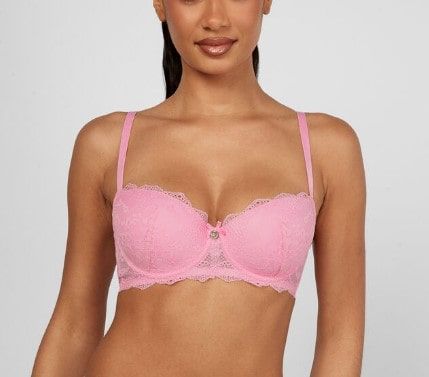
The cups are cut straight across the top, with straps set wide. That lifts the bust and gives a rounded shape, and the wide neckline works well under square and wide necklines. It's flattering and wearable most days.
Balconettes look similar to demi bras but sit slightly higher on the chest. They tend to suit smaller to medium busts best.
Demi Bra
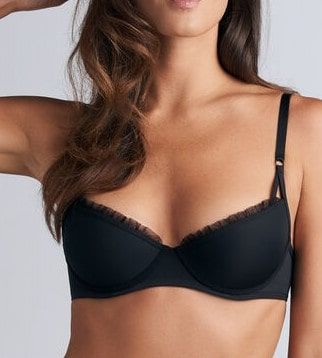
A demi (or demi-cup) covers about half of the breast, with a low neckline. The underwire pushes the bust together a little, and the straps sit wider apart than a full-coverage bra. It works under plunging tops and low-cut dresses.
Look for firm fabric and adjustable straps. Demi bras come in lace and plain styles.
For working out
Sports Bra
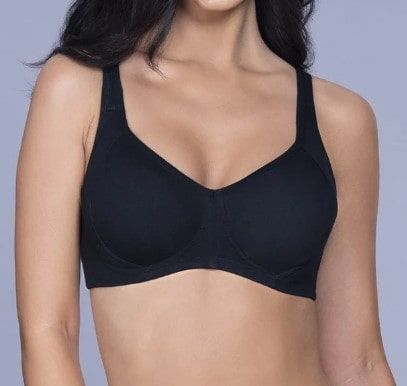
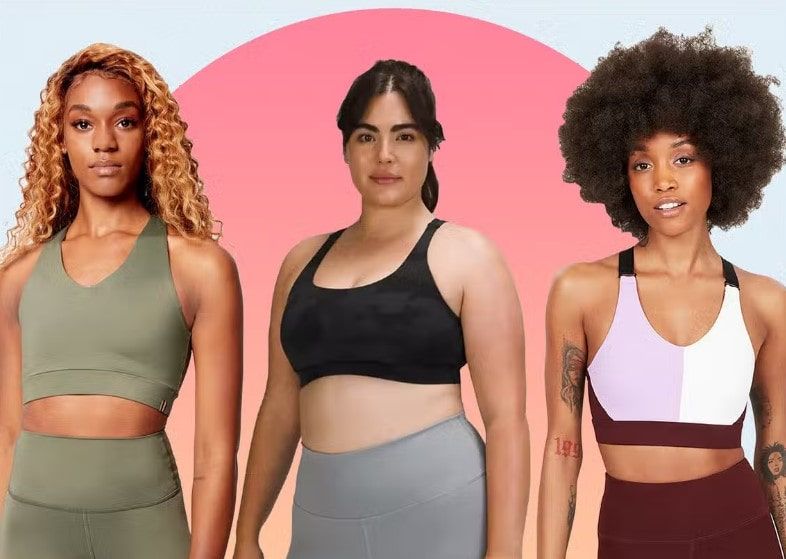
Your regular bra isn't built for running, jumping or lifting. A sports bra holds the bust still, and the right level depends on the activity: low impact for yoga, medium for cycling and gym classes, high for running.
Many people wear them as a top on their own, in the gym or outside. Replace them when the band stretches out, since a loose one stops doing its job.
Tip
Try bras on in a store at least once, even if you mostly shop online. Sizes vary a lot between brands, and knowing which band and cup feel right in person makes ordering online much easier.
FAQs
Why does a properly fitting bra matter?
A bra that's too tight can dig in, cause red marks and make you uncomfortable, and one that's too loose won't support you. Both can lead to shoulder and back discomfort. If you have persistent pain, see a doctor.
Which bra should I buy first?
The T-shirt bra. It's smooth, comfortable and works under almost everything, which is why it's the usual pick for daily wear.
Share this guide
Written by
Jenisha JonchheFashion Writer and Designer
Jenisha Jonchhe is a New York-based fashion writer and designer with academic training in fashion design and postgraduate study focused on fast fashion. At LookerDress, she creates practical, research-led content covering occasion dressing, dress codes, fit and sizing, fabrics, seasonal trends, styling and product comparisons. Her fashion background helps her assess garment construction, silhouette, materials, wearability and styling suitability. She translates this knowledge into clear, accessible guidance that helps readers make more informed clothing and accessory choices. Jenisha's articles distinguish between editorial research and products that have been personally examined or tested. Product details, sizing information and availability are checked against current retailer information before publication. Areas of expertise: fashion design, fast fashion, garment construction, dress styling, fabrics, fit and sizing, trend analysis and fashion buying guides.
Academic training in fashion design; postgraduate study focused on fast fashion.
Seamless underwear swaps stitched elastic edges for laser-cut or bonded ones, so the edge lies flat against your skin and doesn't show through a fitted dress. A thong is the most invisible under bodycon and satin, while a seamless brief or hipster works under most knits and midis.
Petite dresses are cut for women around 5'4" and under, with a shorter torso, shoulder-to-waist length, sleeves and hem, so the waist, darts and hem land in the right place. That's different from a small size: petite is about height and proportion, and many brands run petite in every size.
Petite formal dresses work best with a defined waist, a streamlined column or A-line skirt and details scaled to your frame, like a slim strap instead of a big ruffle. Buy petite-cut gowns where you can, and plan to hem any floor-length gown to the exact heels you'll wear.