

Researched
MDSXO
Mesh Laundry Bags, 10 Pack
Ten polyester mesh wash bags with zippers and a cover over each zipper pull: one extra large (23.6 x 19.7 in), three large (19.7 x 15.7 in), three medium (15.7 x 11.8 in) and three small (11.8 x 9.84 in).
Polyester barely shrinks in a cool or warm wash, because the fiber is set with heat when it's made and doesn't absorb much water. High heat is the risk: a hot dryer or very hot water can shrink it a little, pucker seams or leave a shine, and a polyester blend with cotton or rayon shrinks more than pure polyester.
Updated Oct 22, 2026 · By Jenisha Jonchhe
This page may contain affiliate links. If you buy something through one, we may earn a commission at no extra cost to you. Read our affiliate disclosure.
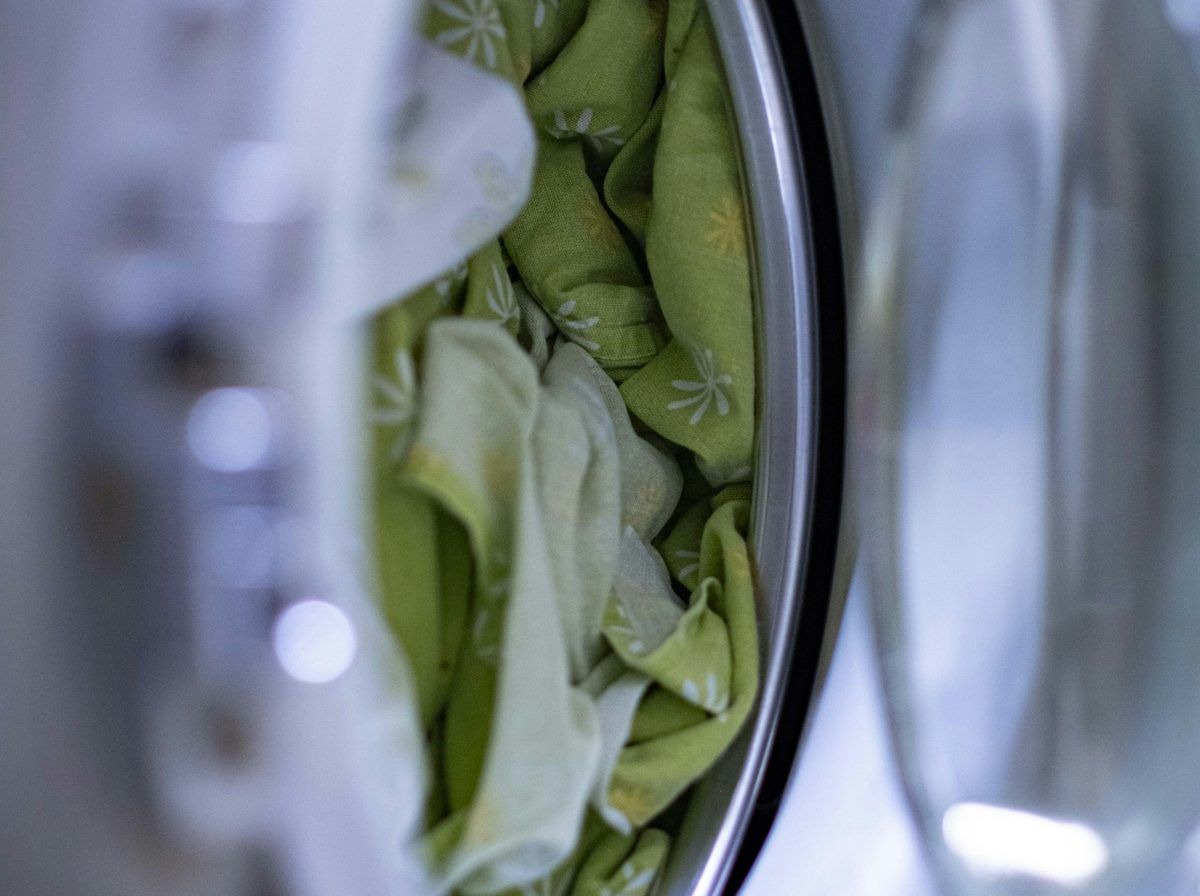
Polyester barely shrinks in a cool or warm wash, because the fiber is set with heat when it's made and doesn't absorb much water. High heat is the risk: a hot dryer or very hot water can shrink it a little, pucker seams or leave a shine, and a polyester blend with cotton or rayon shrinks more than pure polyester.
So if your dress is pure polyester and you wash it cool and dry it gently, it should come out the size it went in. The trouble starts with heat, blends and linings, and that's what the rest of this guide covers.
Polyester is a synthetic fiber, and it behaves very differently from cotton in water. It absorbs very little moisture, so the fibers don't swell and relax the way cotton fibers do in a wash. That low absorbency is a big part of why polyester keeps its shape and dries fast.
The second reason is how the fabric is finished. Polyester and other heat-sensitive synthetic fabrics are normally heat set at the mill: held at a fixed size and heated, which locks the fibers into that shape. Ordinary wash water stays far cooler than the dry heat polyester is made to withstand, so the fabric stays put.
The catch is that polyester is thermoplastic. It softens when it gets hot enough, and heat after manufacturing can change its size again. A hot dryer, a scorching iron or a radiator is where polyester gets into trouble, not the washing machine. If you're choosing between fibers for a dress you'll wash a lot, our polyester vs cotton dresses guide lays out the trade-offs.
Polyester can shrink in the dryer, and a hot dryer is the one place it's likely to. High heat, plus tumbling while the fabric is damp, can tighten the fibers, pucker seams and leave a slightly crinkled, shiny surface. Tumble on low or delicate, take the dress out while it's still a little damp, or skip the dryer and hang it.
Stretch polyester with spandex or elastane needs even more care. Heat is hard on the stretch fiber, and a dress that comes out of a hot dryer can lose its snap or look rippled.
Blends are where shrinkage really happens. In a polyester and cotton blend, the cotton can shrink in hot water or a hot dryer, and it pulls the polyester with it. The more cotton in the blend, the more it can shrink.
Rayon, also sold as viscose, shrinks more readily than polyester, so a blend with rayon needs a cooler wash and no dryer. If the label lists rayon or viscose, our guide to what viscose is explains how it behaves.
Linings can catch you out too. A dress with a polyester shell and a cotton or rayon lining can come out of a hot wash with the lining shorter than the outside, so the hem twists or the lining peeks below. Wash lined dresses cool and dry them on a hanger. The care label usually lists the shell and the lining separately, so read both lines before you pick a wash temperature.
Follow these steps for a plain polyester or polyester-blend dress:
Silk and polyester satin can look alike, but a silk dress needs different handling, so check the label and see our guide on how to wash silk if it's silk. Knit polyester dresses, like many sweater dresses, are fine with the same routine, though a knit should dry flat so it doesn't stretch on a hanger.
MDSXO
Ten polyester mesh wash bags with zippers and a cover over each zipper pull: one extra large (23.6 x 19.7 in), three large (19.7 x 15.7 in), three medium (15.7 x 11.8 in) and three small (11.8 x 9.84 in).
Amazon Basics
An accordion-style steel drying rack with a chrome finish that folds flat, 14.5 x 29.5 x 41.8 inches, for indoor use. Listing details: holds up to 32 pounds.
Handy Laundry
Six extra-large felted dryer balls in 100 percent New Zealand wool with no synthetic fillers; the listing sells them as a reusable alternative to dryer sheets.
Polyester doesn't wrinkle much, which is half its appeal. When it does, steam is the safest fix. Hang the dress and run a handheld steamer over it from a short distance, or hang it in the bathroom while you shower.
If you need an iron, set it to the low synthetic setting, turn the dress inside out and put a pressing cloth (a thin cotton cloth or a clean cotton dish towel) between the iron and the fabric. Too much heat flattens polyester fibers and leaves a shiny patch, and in the worst case it melts a mark into the fabric. Never leave the iron resting in one spot.
Polyester knits can pill where they rub. If yours has started to, here's how to remove pilling from a knit dress.
Hamilton Beach
A 1,700-watt handheld steamer that also works as an iron, with high, medium and delicate steam modes and a removable 300 ml water tank; the listing says a full tank gives up to 27 minutes of steam.
If you're wondering how to shrink a dress that's too big, polyester is the hardest fabric to do it with. Because the fiber is heat set, it resists shrinking, and the heat it takes to change it can also pucker seams, melt trims and leave shine marks. Results are uneven at best.
A tailor is the reliable fix. Taking in the side seams, raising the shoulders or shortening the hem changes the fit exactly where you need it, and you get to keep a dress you like.
A cotton dress shrinks more predictably. A hot wash and a hot dryer will often take it down a bit, but you can't control how much or where, and a lined or embellished dress can come out twisted. Only try it on something you'd be fine losing.
And if a dress already shrank in the wash, there's sometimes a partial fix for cotton blends: soak it for about half an hour in lukewarm water with a little hair conditioner, gently stretch the fabric back while it's damp, and let it air dry. It won't always bring it all the way back. For polyester that tightened in a hot dryer, home fixes rarely work, so take it to a tailor to see whether the seams can be let out.
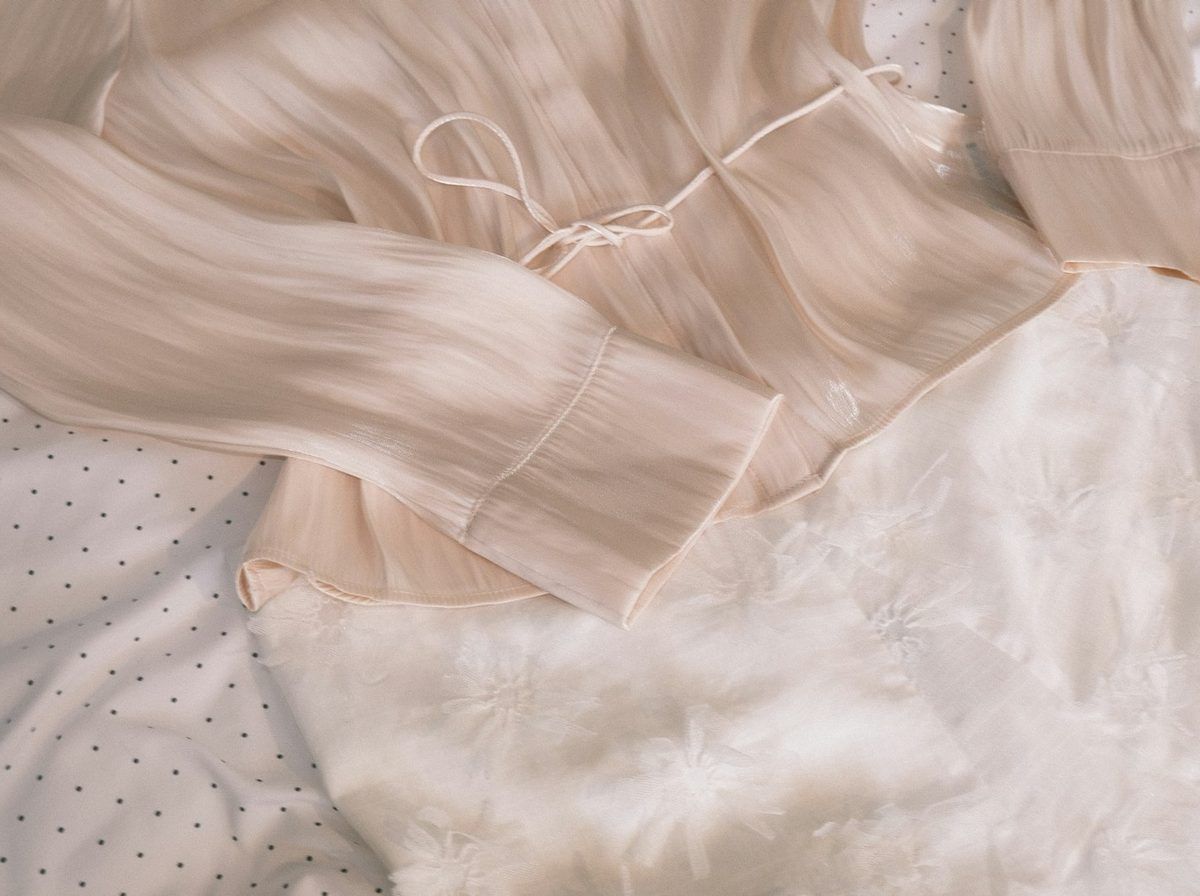
You can wash most silk at home by hand: cool water, a small amount of silk or pH-neutral detergent, a gentle swish for a few minutes, then a rinse and a roll in a towel to press out water, never wringing. Always check the care label first, because lined, structured or brightly dyed silk dresses are often safer with a dry cleaner.
Updated Oct 25, 2026 · By Jenisha Jonchhe
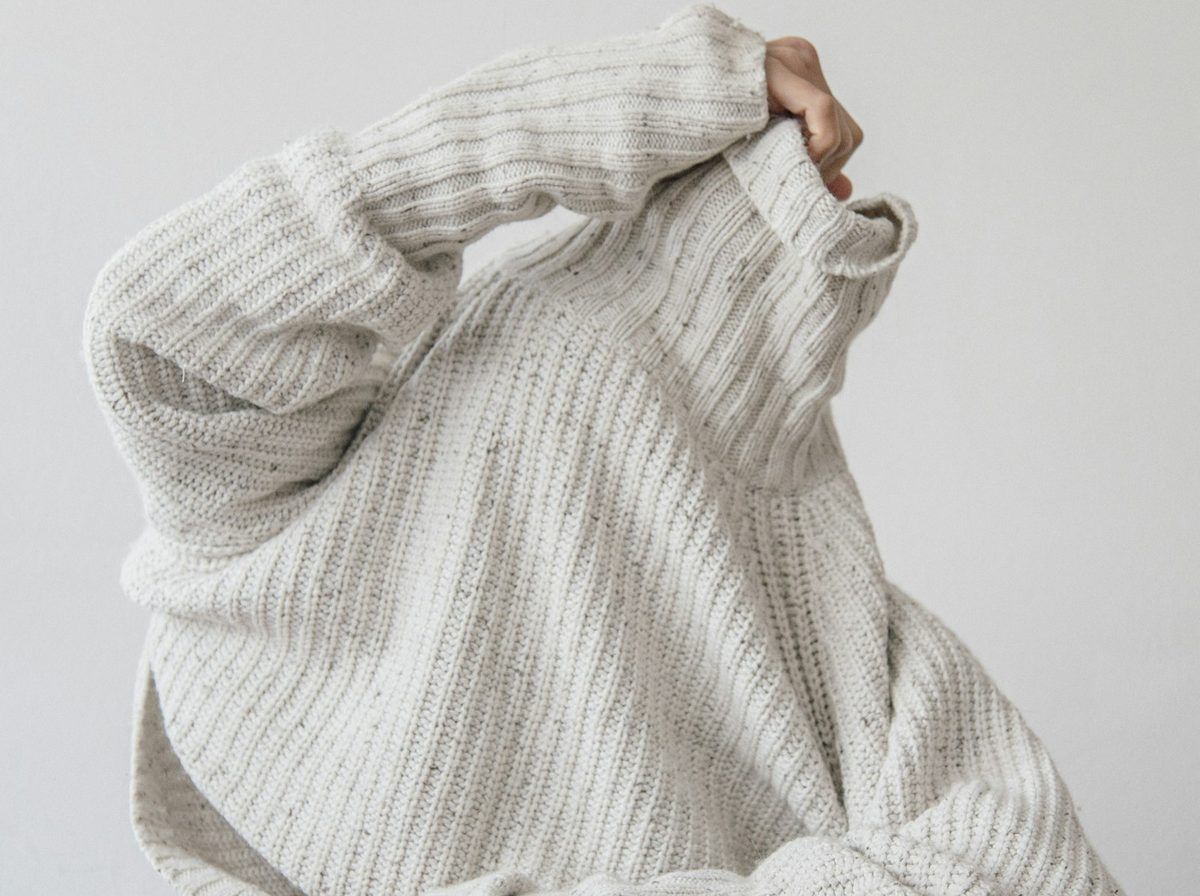
To remove pilling, lay the garment flat on a hard surface and glide an electric fabric shaver or a sweater comb over the pilled areas in light, short strokes, then finish with a lint roller. Pills come back with friction, so wash knits inside out on a gentle cycle and air dry to slow them down.
Updated Oct 21, 2026 · By Jenisha Jonchhe

You can wash a velvet dress only if the care label allows it, and that usually means polyester or stretch velvet, hand washed in cool water and dried on a hanger. Silk, rayon and most occasion velvets are labeled dry clean, because water and wringing crush and mark the pile.
Updated Oct 19, 2026 · By Jenisha Jonchhe


