
Researched
Woolite
Delicates Liquid Detergent, 16 oz
A 16 oz liquid detergent for delicates that the listing says is made for silk, wool and other fine fabrics, for hand or machine washing. Listing details: no bleach, phosphates or enzymes.
You can wash most silk at home by hand: cool water, a small amount of silk or pH-neutral detergent, a gentle swish for a few minutes, then a rinse and a roll in a towel to press out water, never wringing. Always check the care label first, because lined, structured or brightly dyed silk dresses are often safer with a dry cleaner.
Updated Oct 25, 2026 · By Jenisha Jonchhe
This page may contain affiliate links. If you buy something through one, we may earn a commission at no extra cost to you. Read our affiliate disclosure.
You can wash most silk at home by hand: cool water, a small amount of silk or pH-neutral detergent, a gentle swish for a few minutes, then a rinse and a roll in a towel to press out water, never wringing. Always check the care label first, because lined, structured or brightly dyed silk dresses are often safer with a dry cleaner.
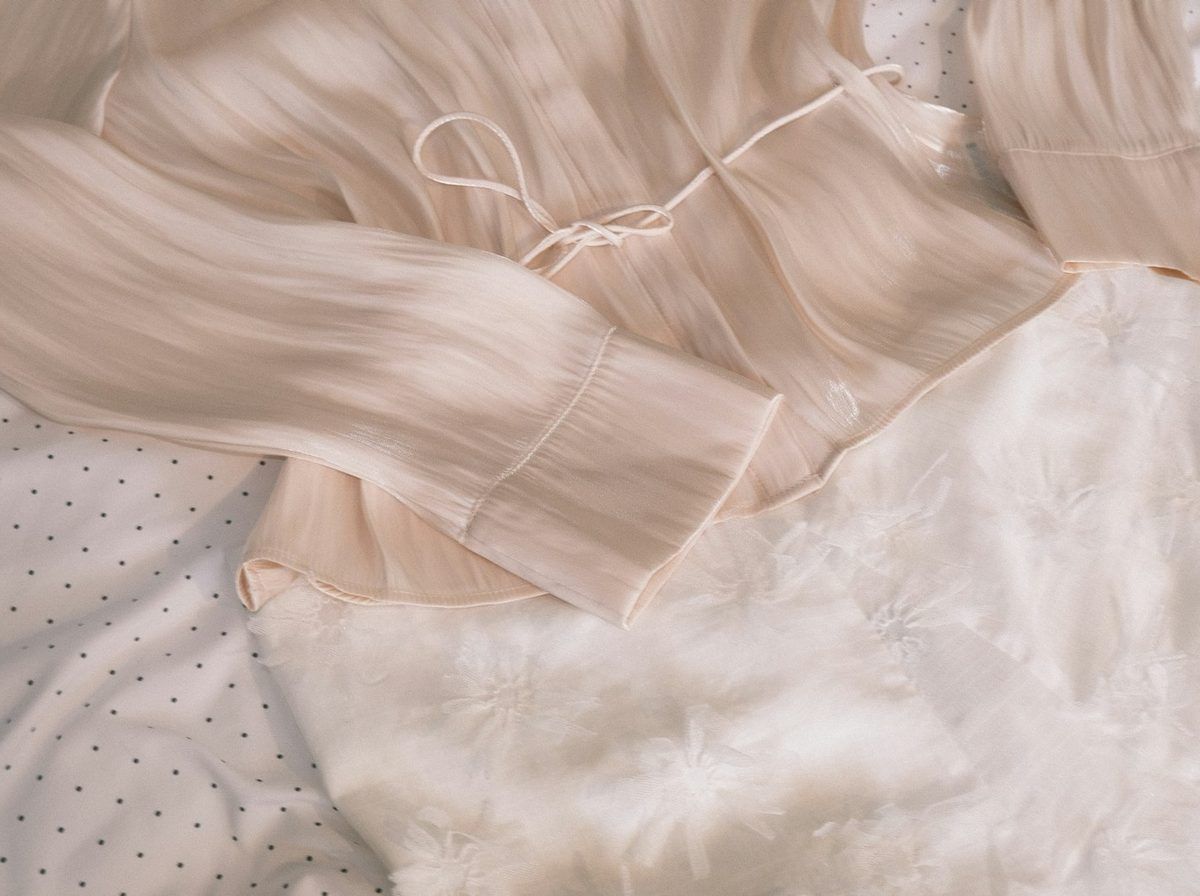
Silk has a reputation for being impossible to care for, and it isn't. It's a protein fiber, a bit like your own hair, so it wants cool water, a mild wash and no rough handling. Get that right and a silk dress, like a silk slip dress you bought for a rehearsal dinner, can last for years of wear.
Yes, you can wash silk in many cases. Plenty of silk dresses, blouses and slips can be hand washed, and some labels even allow a cool machine cycle. The care label is the first thing to read, and it's worth knowing how to read it:
Some silks are better left to a professional whatever the label says: silk velvet, heavily structured or boned dresses, anything lined in a different fiber, and pieces with beading or sequins. If you have a velvet dress, our guide on how to wash velvet covers it, including why silk velvet goes to a cleaner. For a velvet dress to wear to a wedding, see our velvet wedding guest dresses.
Here's how to wash a silk dress by hand, start to finish:
Woolite
A 16 oz liquid detergent for delicates that the listing says is made for silk, wool and other fine fabrics, for hand or machine washing. Listing details: no bleach, phosphates or enzymes.
Some silk is labeled machine washable. If yours is, you can save time, but treat the machine like a gentle pair of hands:
If the label says hand wash, don't use the machine, even on its gentlest setting. The agitation is still rougher than your hands.
QiNZiN
Three polyester fine-mesh wash bags in small, medium and large, each with a zipper closure; the listing says to fill each bag only about two-thirds full.
Never tumble dry silk. The heat and tumbling can shrink it and damage the fibers. Instead:
When it's almost dry, take care of the creases. A handheld steamer on a low setting, held a short distance from the fabric, works well and doesn't touch the surface. If you iron, use the silk or lowest setting, iron the dress inside out and put a pressing cloth between the iron and the fabric. High heat can scorch or yellow silk.
Silk can hold a bit of static in dry winter air, especially under a coat. A light mist of water from a distance, or a slip underneath, can help.
OXO
A flat mesh drying rack with a 26 x 26 inch surface on short legs; the legs fold in and the rack folds in half to 14 x 26 inches for storage.
Hamilton Beach
A 1,700-watt handheld steamer that also works as an iron, with high, medium and delicate steam modes and a removable 300 ml water tank; the listing says a full tank gives up to 27 minutes of steam.
How to wash satin depends on the fiber, because satin is a weave, not a material. Our guide to satin vs silk explains the difference. Check the fiber content on the label, then:
You can wash satin, then, but the answer changes with the fiber: usually yes for polyester, sometimes for silk, and carefully, if at all, for acetate. The label decides.
Silk dress care is mostly about washing less, and the habits between washes do most of the work:
The same gentle habits work for silk slips and lingerie. If you're choosing silk underwear partly for comfort, it'll last longer washed by hand in a mesh bag.
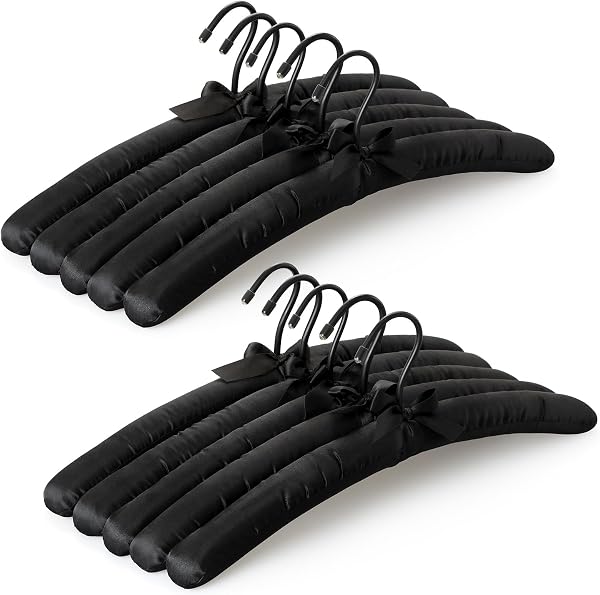
TOPIA HANGER
Ten 17-inch hangers with satin over a sponge-padded wood core, a bow accent and a 360-degree swivel hook; also sold as a 5 pack.

Silk is a natural fiber; satin is a weave with a smooth, shiny face that can be made from silk, polyester, acetate or nylon. So a satin dress can be silk, but polyester satin is widely used for dresses, and the label's fiber content tells you which.
Updated Oct 22, 2026 · By Jenisha Jonchhe
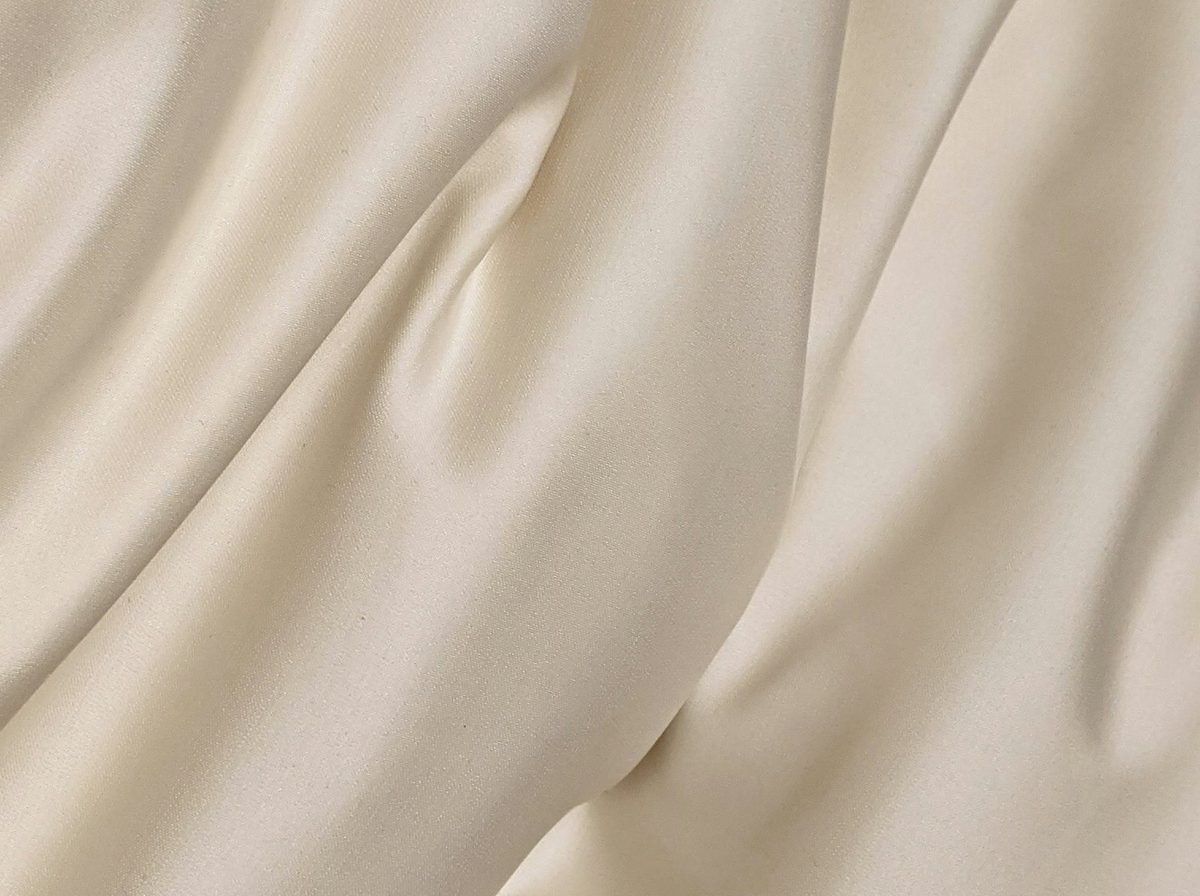
Acetate is a semi-synthetic fiber made from cellulose, usually wood pulp, treated to form cellulose acetate and spun into a smooth, shiny thread. It gives satin dresses and linings a silk-like look and drape at a lower cost, but it's weaker than polyester and sensitive to heat.
Updated Oct 23, 2026 · By Jenisha Jonchhe
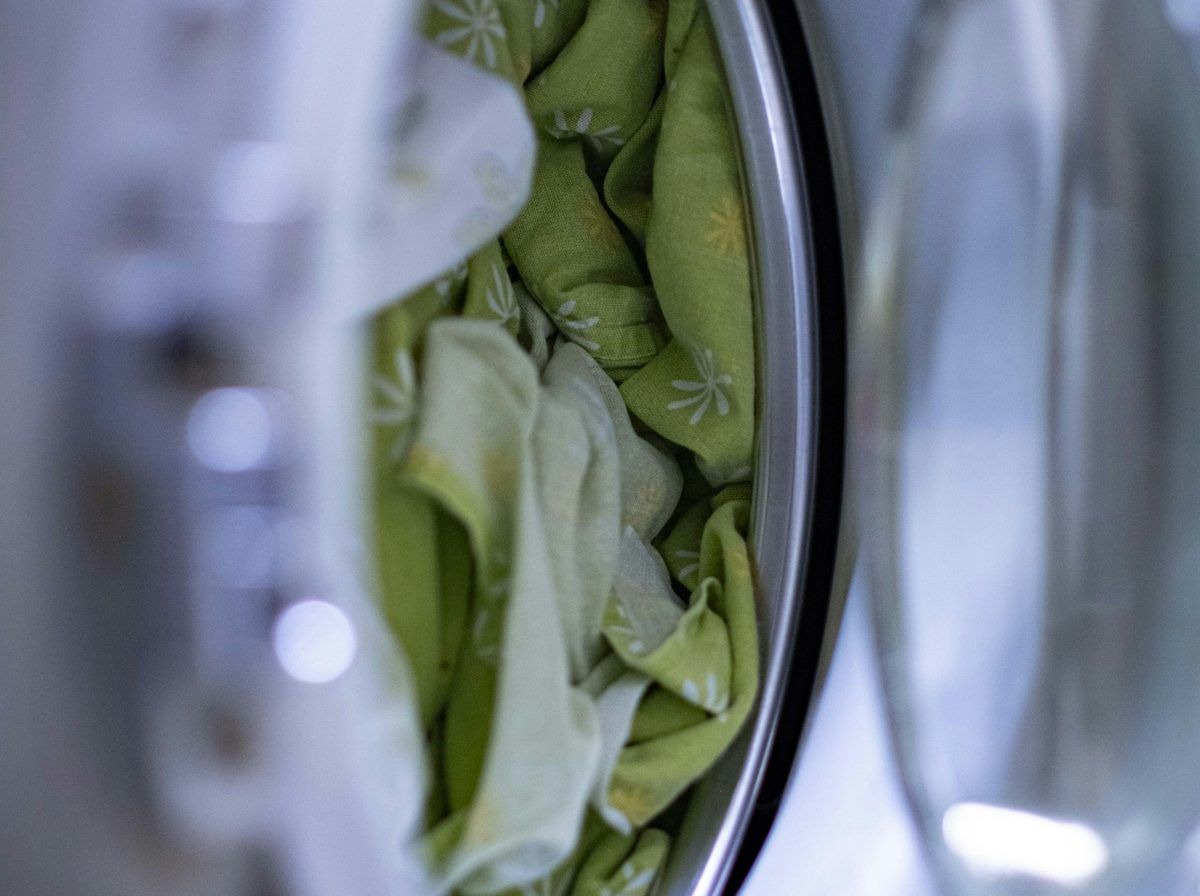
Polyester barely shrinks in a cool or warm wash, because the fiber is set with heat when it's made and doesn't absorb much water. High heat is the risk: a hot dryer or very hot water can shrink it a little, pucker seams or leave a shine, and a polyester blend with cotton or rayon shrinks more than pure polyester.
Updated Oct 22, 2026 · By Jenisha Jonchhe