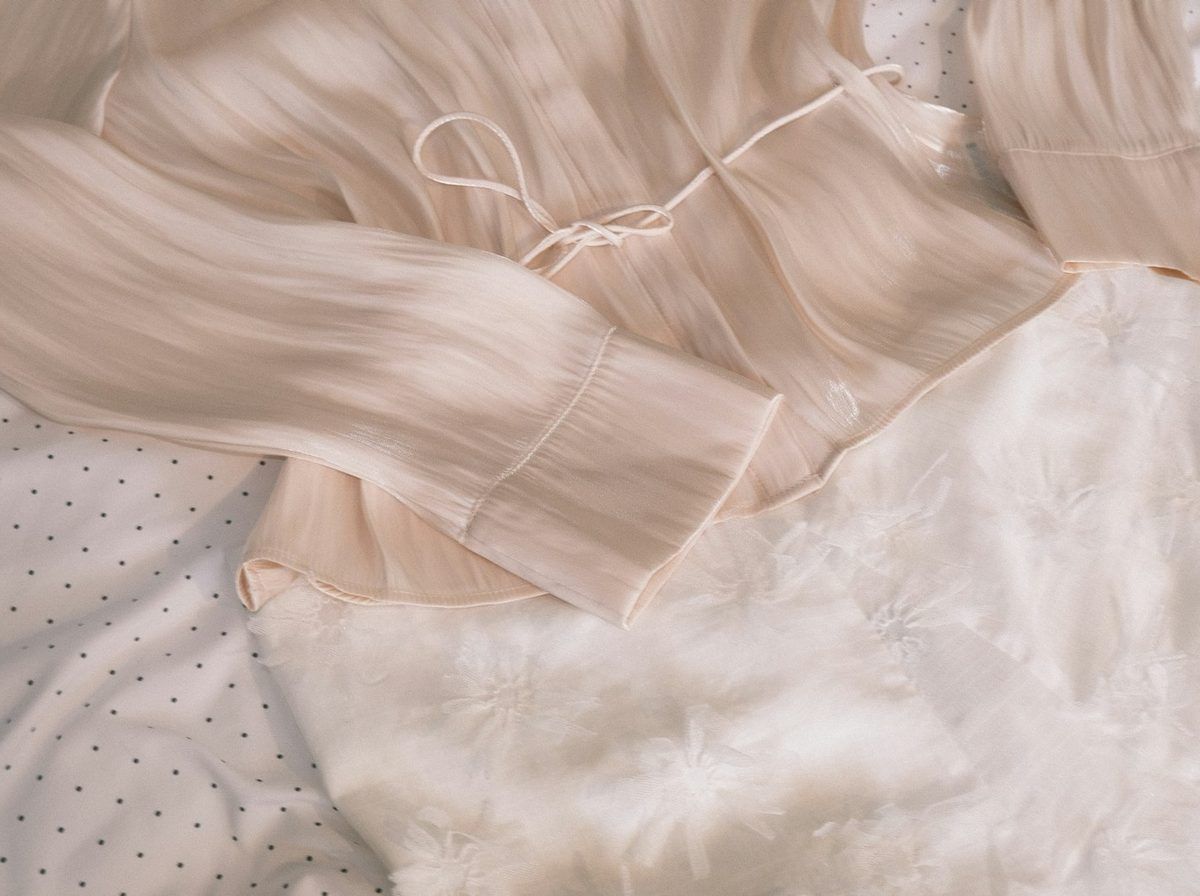
Viscose is a fiber made by dissolving plant cellulose, usually from wood pulp, and spinning it back into threads; it's the main type of rayon, and US labels may use either name. Viscose dresses drape softly and feel cool, but the fabric can shrink and wrinkle, so wash it gently and cool.
Updated Oct 31, 2026 · By Jenisha Jonchhe
Photo: Brett Jordan on Unsplash
This page may contain affiliate links. If you buy something through one, we may earn a commission at no extra cost to you. Read our affiliate disclosure.
Viscose is a fiber made by dissolving plant cellulose, usually from wood pulp, and spinning it back into threads; it's the main type of rayon, and US labels may use either name. Viscose dresses drape softly and feel cool, but the fabric can shrink and wrinkle, so wash it gently and cool.
You'll find viscose on the label of many printed sundresses, wrap dresses and flowy midis. It's a lovely fabric to wear, with a couple of habits you need to know about before the first wash.
Viscose in plain terms
Viscose is a manufactured fiber made from cellulose, the material that gives plants their structure. Manufacturers take purified cellulose, usually from specially processed wood pulp, convert it into a soluble compound, push it through tiny holes and turn it back into nearly pure cellulose in fiber form. Plants supply the raw material and a factory makes the fiber, which is why you'll see viscose called semi-synthetic or regenerated.
That process gives a fiber that's soft, absorbent, easy to dye and drapes well. Those are exactly the things you want in a dress that moves. A viscose dress hangs close to the body without clinging stiffly, takes bright prints well and feels cool on a warm day. That's why viscose shows up in so many summer dresses and why it's a favorite for wrap styles.
A short-sleeve V-neck T-shirt dress in viscose stretch jersey, midi length (46 3/4 inches from the side neck on size S), with two side slits. Listing details: 95 percent viscose and 5 percent elastane; sizes X-Small to XX-Large; machine wash.
Rayon is the generic name US labeling rules use for manufactured fibers made of regenerated cellulose. Viscose is the main way rayon is made, and the name the international standard uses for the predominant form of rayon. The Federal Trade Commission allows either name on a US label, so "rayon" and "viscose" on two dress tags usually mean the same kind of fiber.
So rayon vs viscose isn't really a contest: viscose is rayon. You may also see lyocell, a rayon made by a different process that dissolves the cellulose in an organic solvent. US rules let it be labeled lyocell instead of rayon. If the tag says lyocell, the care advice below still applies, but check its label for specifics.
A short-sleeve crew-neck maxi with an elastic waist and pockets. Listing details: 95 percent rayon and 5 percent spandex; sizes Small to 3X-Large; machine wash.
The short version: cellulose goes in, gets dissolved with chemicals, gets spun into filaments, and comes out as a soft fiber. The plant source can vary. Wood pulp is usual, but bamboo can be the starting plant too.
That's where "bamboo" labels get confusing. A fabric made by turning bamboo into rayon doesn't keep any of the bamboo plant's properties; it's rayon. US rules say it should be labeled with the fiber's generic name, such as rayon, or as "rayon made from bamboo". If a soft "bamboo" dress doesn't name the fiber, check the fiber line, and treat it as viscose when you wash it.
What a viscose dress is like to wear
Here's the honest picture.
The good:
Drape: viscose moves and swings, which suits wrap dresses, slip dresses and anything bias cut.
Feels cool and absorbent: it soaks up moisture, so it feels comfortable on a hot day. Our underwear fabrics guide explains why absorbent fibers feel better against skin.
Takes color well: prints look crisp and colors look rich.
Soft: it feels smooth, not scratchy.
The not so good:
Wrinkles: viscose creases easily, especially after sitting.
Weaker when wet: it loses strength in water, so rough washing can stretch or tear it.
Can shrink: more on that below.
Not warm on its own: viscose is a summer fiber. In winter, look for warmer winter fabrics or layer underneath.
For warm-weather dressing, viscose is hard to beat. It's a natural pick for summer outfit ideas and vacation dresses, as long as you don't mind a few creases.
A fitted short-sleeve V-neck faux-wrap dress with a tie closure. Listing details: 95 percent viscose and 5 percent elastane; sizes X-Small to XX-Large; machine wash.
A few quick checks in the store, or in the product details online, save you from a dress that disappoints after one wash:
Hold it up to the light. Thin viscose can be see-through, especially in pale colors. A lined skirt or a heavier weave fixes that.
Scrunch a corner in your hand for a few seconds. If it comes out deeply creased, expect the same after an hour of sitting.
Read the full fiber line. A little elastane adds stretch and helps a fitted dress keep its shape. A viscose and linen blend feels crisper and more textured.
Look at the seams. Viscose frays, so neat, finished seams inside matter more than they would on polyester.
Find the care label. If it says dry clean only, decide now whether you're happy to pay for that every time.
If you love a viscose dress but need it for cooler months, it layers well under a cardigan or over a thin long-sleeve top, and opaque tights take it into fall.
Rayon can shrink, and how to stop it
Standard viscose may shrink or stretch in the wash unless the fabric has been treated to stop it. Warm water, a long soak and especially a hot dryer are the usual culprits, and the fiber is weaker while it's wet, so tugging it into shape can stretch it unevenly.
To avoid it:
Read the care label. Many viscose dresses say hand wash or dry clean.
Wash cool, never hot.
Skip the dryer.
Don't wring or twist it.
If the label or listing says pre-shrunk or uses a stabilized rayon, it's more forgiving, but still wash cool.
Rayon and polyester behave very differently here. If you're comparing, our guide on whether polyester shrinks explains why polyester holds its size.
Washing and caring for viscose
Viscose care comes down to one rule: cold, gentle, hang. Here's the full routine for a washable viscose dress:
Check the label. If it says dry clean, do that. Some rayon finishes and prints don't like water.
Hand wash in cool water with a little mild detergent, or use a cold delicate cycle with the dress inside out in a mesh bag if the label allows the machine.
Don't wring or twist. Press the water out gently or roll the dress in a towel.
Hang it to dry on a hanger, or dry knit viscose flat so it doesn't stretch. Keep it out of the dryer.
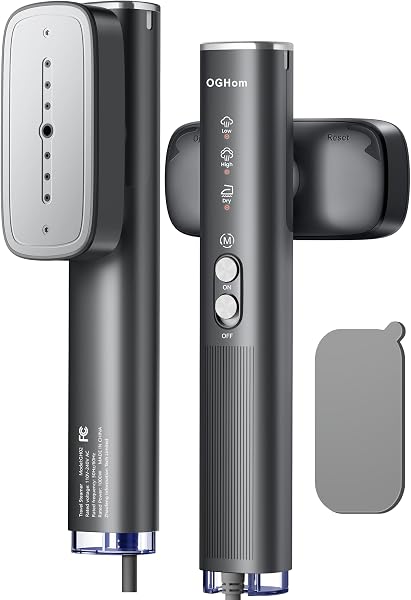
Steam or iron while slightly damp. A steamer works well. If you iron, use the rayon setting (usually medium) and iron inside out.
Use oxygen bleach, not chlorine, if something needs brightening.
Viscose is a close cousin of acetate, the other wood-based fiber in party dresses and linings, but the two need different care. Viscose likes cool water and gentle handling; acetate hates heat and acetone.
Ten polyester mesh wash bags with zippers and a cover over each zipper pull: one extra large (23.6 x 19.7 in), three large (19.7 x 15.7 in), three medium (15.7 x 11.8 in) and three small (11.8 x 9.84 in).
Not quite. It starts from natural cellulose, usually wood pulp, but it's chemically processed into a new fiber, so it's described as semi-synthetic or regenerated.
Is viscose better than polyester?
It depends on what you want. Viscose absorbs moisture and feels cooler and softer in heat. Polyester is stronger, wrinkles less and holds its size in the wash.
Is viscose good for summer?
Yes. It's absorbent, feels cool and drapes away from the body, which is why so many sundresses are made from it.
Can you iron viscose?
Yes. Use the rayon setting on your iron, usually medium, iron the dress inside out while it's slightly damp, or use a steamer instead.
Jenisha Jonchhe is a New York-based fashion writer and designer with academic training in fashion design and postgraduate study focused on fast fashion. At LookerDress, she creates practical, research-led content covering occasion dressing, dress codes, fit and sizing, fabrics, seasonal trends, styling and product comparisons. Her fashion background helps her assess garment construction, silhouette, materials, wearability and styling suitability. She translates this knowledge into clear, accessible guidance that helps readers make more informed clothing and accessory choices. Jenisha's articles distinguish between editorial research and products that have been personally examined or tested. Product details, sizing information and availability are checked against current retailer information before publication. Areas of expertise: fashion design, fast fashion, garment construction, dress styling, fabrics, fit and sizing, trend analysis and fashion buying guides.
Academic training in fashion design; postgraduate study focused on fast fashion.
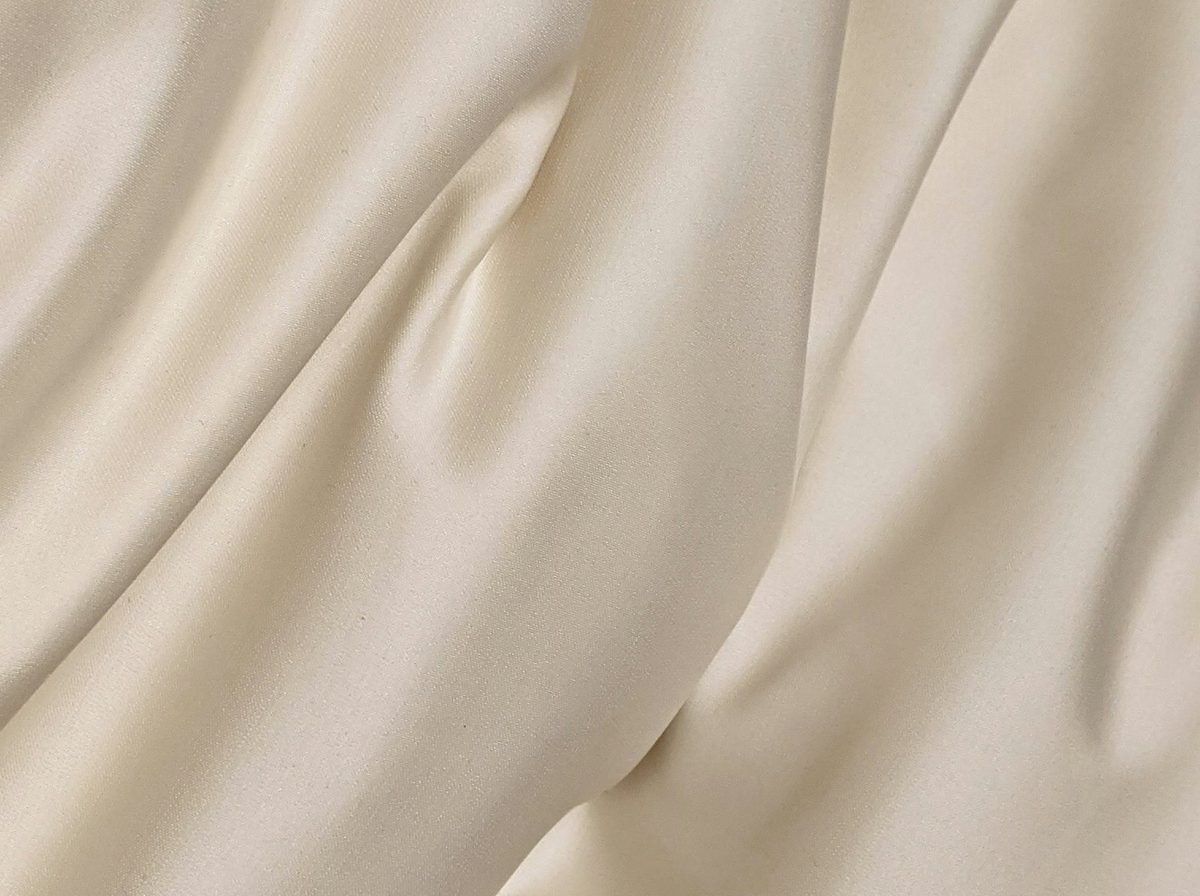
Acetate is a semi-synthetic fiber made from cellulose, usually wood pulp, treated to form cellulose acetate and spun into a smooth, shiny thread. It gives satin dresses and linings a silk-like look and drape at a lower cost, but it's weaker than polyester and sensitive to heat.
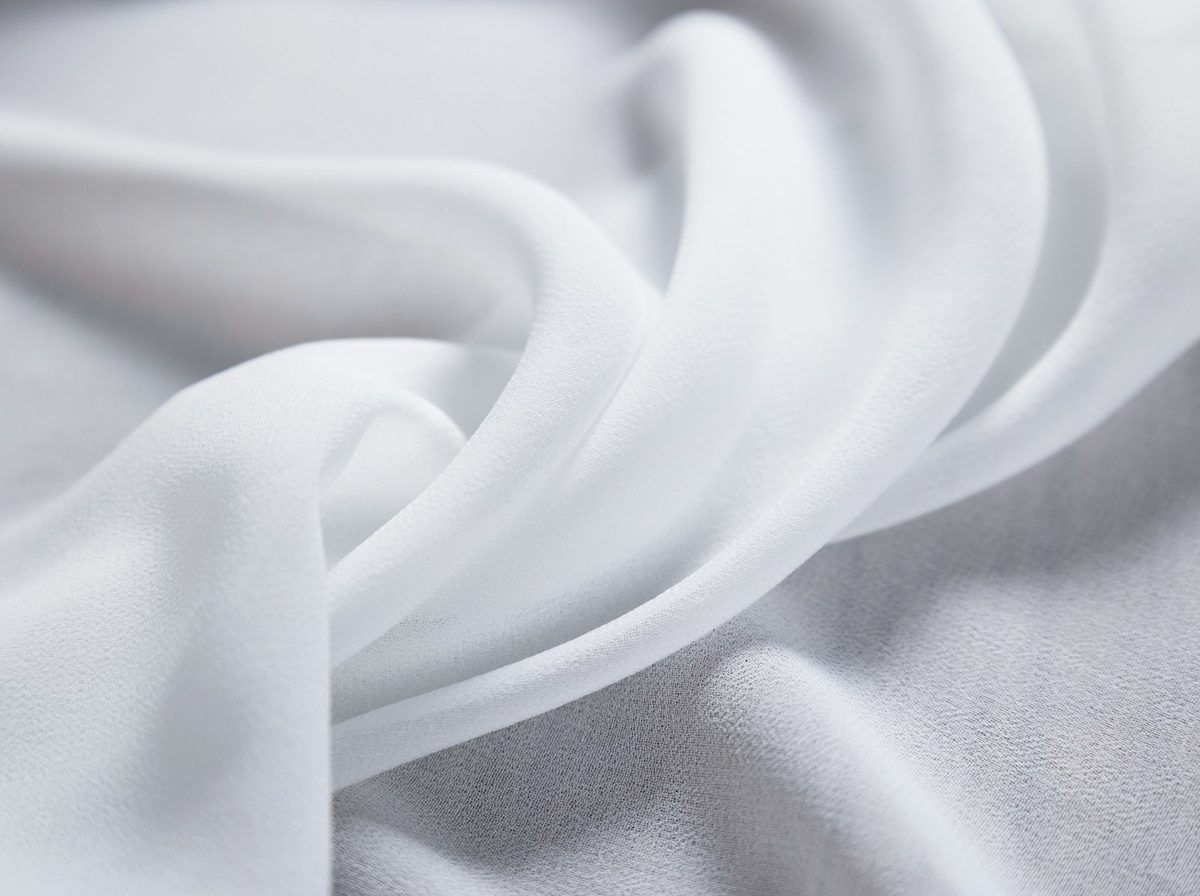
Chiffon is a sheer, lightweight fabric woven from tightly twisted yarns, which gives it a soft, floaty drape and a faint texture. It started as a silk fabric, but it's now commonly made from polyester, which makes it more affordable, and silk chiffon sits at the pricier end.
You can wash most silk at home by hand: cool water, a small amount of silk or pH-neutral detergent, a gentle swish for a few minutes, then a rinse and a roll in a towel to press out water, never wringing. Always check the care label first, because lined, structured or brightly dyed silk dresses are often safer with a dry cleaner.