How to Remove Pilling From Sweater Dresses and Knits
To remove pilling, lay the garment flat on a hard surface and glide an electric fabric shaver or a sweater comb over the pilled areas in light, short strokes, then finish with a lint roller. Pills come back with friction, so wash knits inside out on a gentle cycle and air dry to slow them down.
Updated Oct 21, 2026 · By Jenisha Jonchhe
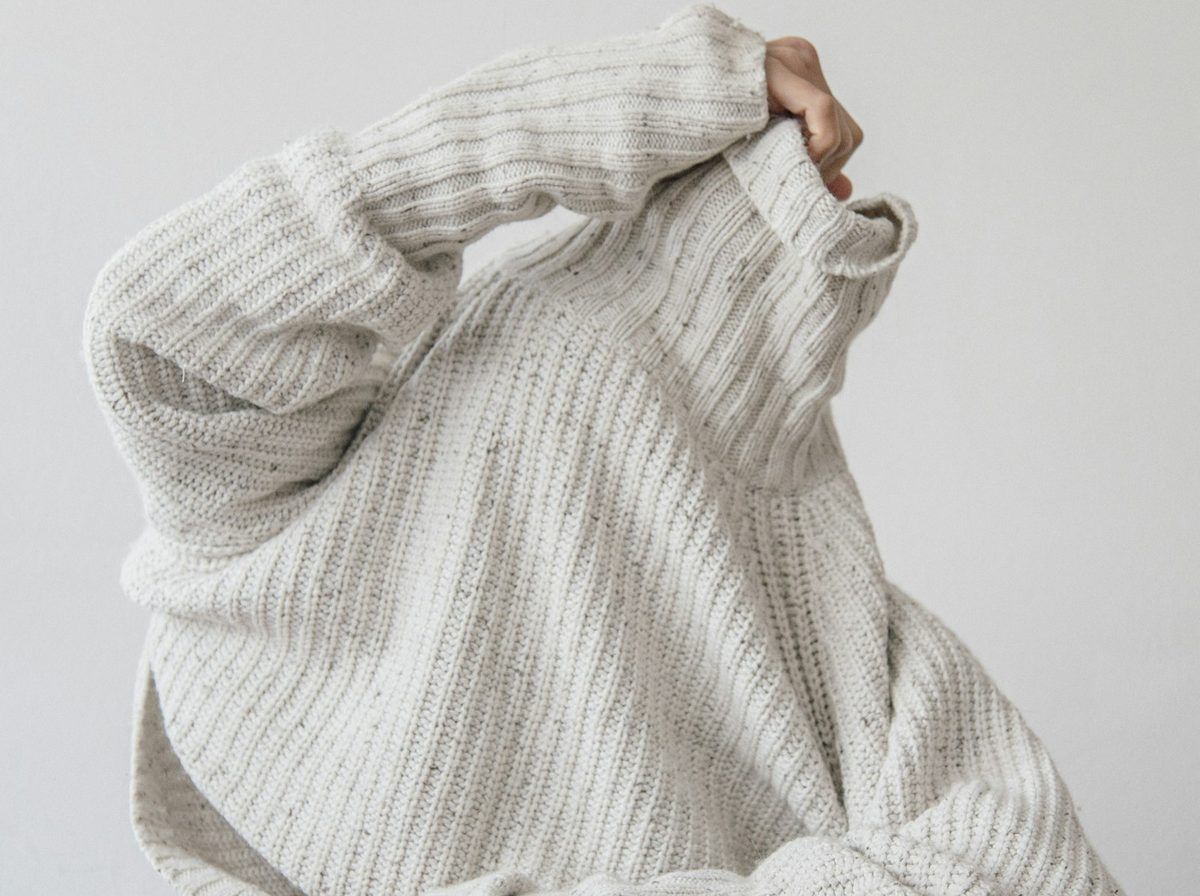
Photo: Valna Studio on Unsplash
This page may contain affiliate links. If you buy something through one, we may earn a commission at no extra cost to you. Read our affiliate disclosure.
To remove pilling, lay the garment flat on a hard surface and glide an electric fabric shaver or a sweater comb over the pilled areas in light, short strokes, then finish with a lint roller. Pills come back with friction, so wash knits inside out on a gentle cycle and air dry to slow them down.
A pilled sweater dress looks tired long before it's worn out. The good news is that a short session with the right tool makes it look close to new, and a few laundry habits keep the bobbles away longer. If you wear knits all winter, like the looks in our sweater dress outfits guide, this is worth learning once.
Why knits pill
Pills form when fabric rubs. Friction loosens the ends of fibers, those loose ends tangle with each other, and they roll into small balls that sit on the surface. That's why pills show up first under the arms, on the sides of a dress where your arms brush it, on sleeves and where a bag strap sits. Wearing a sweater over a dress adds another rubbing layer, and a crossbody bag on a knit dress is a pilling machine.
Knits pill more than woven fabrics because the yarns are looser and move more. Fiber matters too. In a cotton and polyester blend, the polyester is often the part that pills, and it makes the pills harder to remove. Our polyester vs cotton guide covers how the two fibers behave. Natural fibers pill as well, including fine wool and cashmere. Silk and linen wovens sit at the other end: they're among the fabrics least likely to pill.
So pilling isn't automatically a sign of a bad garment. Even good winter dresses in soft knits will pill at the friction points. It does mean a looser, fluffier knit will need more maintenance than a tight, smooth one.
Three ways to remove pills
Each tool suits a different job:
Electric fabric shaver: best for heavy pilling over a large area, like the whole front of a sweater dress. Watch out on delicate or loose knits, where the blades can catch a loop.
Sweater comb or sweater stone: best for fine wool, cashmere and light pilling. It's slower, but gentle. Watch out on very thin knits, where pressing hard can thin the fabric.
Lint roller: best for a final cleanup and for light fuzz on smooth fabrics. On its own it won't shift pills that are firmly attached.
Disposable razor (last resort): it works on a flat, tightly knit fabric, but it's easy to cut the knit. Use a fresh blade, hold the fabric taut and shave lightly in one direction.
Small scissors also work for a few big pills on a chunky knit. Snip them one at a time instead of pulling, because pulling a pill drags more fiber out with it.
Using a fabric shaver
A fabric shaver has a small rotating blade behind a metal guard with holes in it. The pills poke through the holes and get trimmed off. Here's how to use one:
Lay the garment flat on a table or ironing board, smoothing out folds so the fabric is taut.
Start in an inconspicuous spot to see how the knit reacts.
Glide the shaver over the pills in light, small circles or short strokes. Don't press down.
Empty the lint chamber often so the blade keeps cutting cleanly.
Stop when the surface is smooth. Shaving over and over in one spot thins the fabric.
Follow the instructions that come with your shaver, including any guidance on which fabrics it's meant for.
A battery-operated fabric shaver with 2 speeds, 3 shaving heights and 3 hole sizes, plus 2 extra blades and a cleaning brush. The listing says its adjustable height spacer guards wool sweaters and delicate fabrics.
A sweater shaver is the electric option above, and it's fast. A sweater comb is a small brush with fine metal teeth, and a sweater stone is a block of pumice-like material. Both work by hand: you pull them lightly across the surface and the pills catch and lift.
Choose the comb or stone for cashmere, fine merino and anything you're nervous about. They're slower but less likely to snag. Choose the shaver for heavy pilling on sturdier knits like cotton, acrylic and wool blends, where the speed helps. Plenty of people keep both.
A lint roller is enough when the problem is loose fuzz, lint or hair rather than tight balls. It's also the last step after shaving or combing, to pick up the trimmed bits. On a light pill problem on a smooth knit, a few firm passes can be all you need. Tear off each sheet once it stops being sticky.
Here's how to remove pilling from a sweater dress from start to finish:
Check the care label and fiber content so you know how delicate the knit is.
Lay the dress flat on a hard surface in good light. Smooth it so there are no folds.
Start on the worst areas: underarms, sides, sleeves and anywhere a bag rubs.
Use a fabric shaver for heavy pilling, or a sweater comb for delicate knits, with light strokes.
Turn the dress and work through the back and the sleeves.
Go over everything with a lint roller to collect the loose fluff.
Hold it up to the light. If you see thin patches, stop there.
How to keep pills from coming back
You can't stop pilling for good, but you can slow it a lot:
Wash inside out. The outside of the knit rubs less against the drum and other clothes.
Use a gentle cycle and a mesh bag. Less agitation means less friction. Wash knits with other soft items, never with jeans or towels.
Air dry. The dryer tumbles and rubs fibers together. Dry knits flat.
Wash less. Air your sweater dress out between wears, and spot clean small marks instead of washing the whole thing.
Mind your bag. A handbag held in the hand rubs a knit far less than a crossbody or backpack strap.
Watch the tights.Fleece-lined tights and other warm tights rub the inside of a skirt and can pill too, so wash them inside out as well.
Give knits a day off. Rotating between two or three sweater dresses spreads the wear.
When you buy your next knit, feel the fabric. A tight, smooth knit pills less than a loose, fluffy one. If you want the softness without too much upkeep, our guide to what merino wool is explains why fine wool is often a good middle ground.
Three polyester fine-mesh wash bags in small, medium and large, each with a zipper closure; the listing says to fill each bag only about two-thirds full.
Yes, carefully. Lay the knit flat and taut, use a fresh disposable razor and shave lightly in one direction. It's easy to cut the fabric, so a shaver or sweater comb is safer on anything you love.
Can you stop a sweater from pilling completely?
No. Any knit pills where it rubs. Gentle washing inside out, air drying and less friction from bags and layers slow it down a lot.
Why does my new sweater pill so fast?
New knits often have loose fiber ends on the surface, and a loose or fluffy knit lets them rub and tangle quickly. A blend with polyester can also make the pills harder to remove.
Does pilling mean poor quality?
Not always. Even cashmere and fine merino pill at friction points. Heavy pilling after a few wears on a loose synthetic knit is a better sign that the fabric won't wear well.
Jenisha Jonchhe is a New York-based fashion writer and designer with academic training in fashion design and postgraduate study focused on fast fashion. At LookerDress, she creates practical, research-led content covering occasion dressing, dress codes, fit and sizing, fabrics, seasonal trends, styling and product comparisons. Her fashion background helps her assess garment construction, silhouette, materials, wearability and styling suitability. She translates this knowledge into clear, accessible guidance that helps readers make more informed clothing and accessory choices. Jenisha's articles distinguish between editorial research and products that have been personally examined or tested. Product details, sizing information and availability are checked against current retailer information before publication. Areas of expertise: fashion design, fast fashion, garment construction, dress styling, fabrics, fit and sizing, trend analysis and fashion buying guides.
Academic training in fashion design; postgraduate study focused on fast fashion.
You can wash most silk at home by hand: cool water, a small amount of silk or pH-neutral detergent, a gentle swish for a few minutes, then a rinse and a roll in a towel to press out water, never wringing. Always check the care label first, because lined, structured or brightly dyed silk dresses are often safer with a dry cleaner.
Polyester barely shrinks in a cool or warm wash, because the fiber is set with heat when it's made and doesn't absorb much water. High heat is the risk: a hot dryer or very hot water can shrink it a little, pucker seams or leave a shine, and a polyester blend with cotton or rayon shrinks more than pure polyester.
You can wash a velvet dress only if the care label allows it, and that usually means polyester or stretch velvet, hand washed in cool water and dried on a hanger. Silk, rayon and most occasion velvets are labeled dry clean, because water and wringing crush and mark the pile.