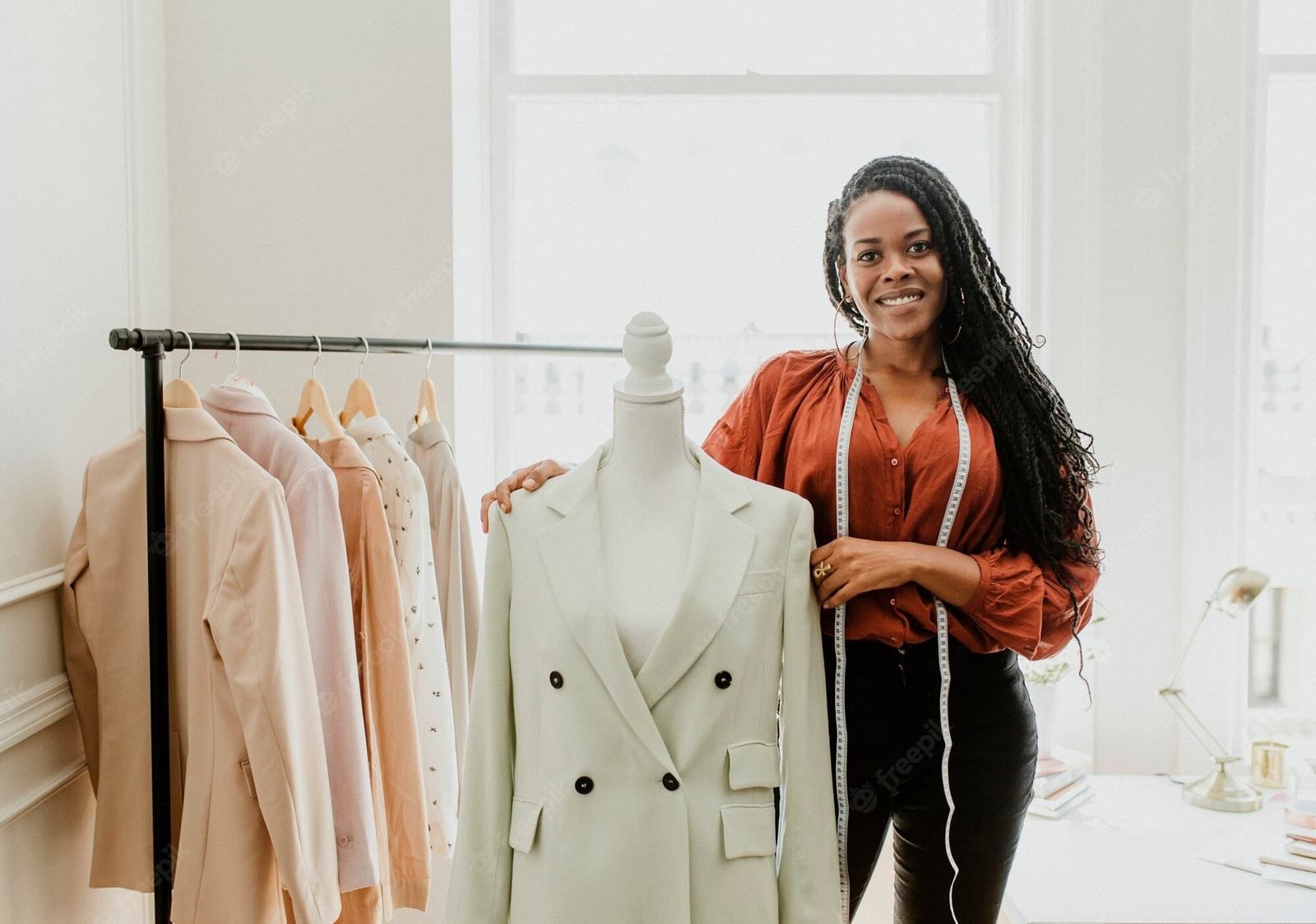
A fashion stylist chooses the clothes, accessories and overall look for a client, a photo shoot or a brand. To become one, you train, assist a working stylist, build a portfolio and network hard. It's a competitive field and it takes time to carve out a niche, but it's learnable.
What a fashion stylist does
Stylists work for private clients, fashion houses, brands, magazines and designers. They know what's current and turn it into outfits that suit the person or the project. Some work for editors or celebrities; others for ad agencies.
Putting outfits together is only part of it. Stylists usually collaborate with photographers, editors, designers and writers on a bigger creative project: swapping references, trying ideas, and solving problems on the day.
- Keeping up with new collections and launches
- Choosing fabrics, supplies and colors for a look
- Organizing photo shoots for ads, films, TV and editorial
- Pulling clothes and building samples or mock-ups
- Managing wardrobe and inventory for a shoot
- Advising clients on grooming and lifestyle
- Talking through the brief with clients, retailers and creators
How to become a fashion stylist
You don't need a license, but you do need training and proof of taste. Here is the usual route.
1. Train in fashion styling
Most stylists have some formal training, often a bachelor's in fashion or design with a focus on styling. Options:
- Bachelor's degree: 3 to 4 years
- Master's: about 2 years
- Diploma or certificate: roughly 6 to 8 months
A shorter diploma is fine if you're already working and want credentials. Check the course's industry connections before paying.
2. Get an internship, then assist
Start by interning at a fashion company, then try to become a stylist's assistant. Fashion runs on referrals, so learning from someone established is the quickest way to meet the people who hire. Your school's internship office is a good first stop. See our guide to fashion internships.
3. Build a portfolio or lookbook
Clients and employers want to see your work, not hear about it. Assemble a lookbook of your best styled shoots, online or printed. Style friends, shoot practice sessions with photographers, and pick only your strongest images. A good one attracts better clients.
4. Network
Stylists get work through people. Practice with your boss, other assistants, photographers and models. Be reliable and easy to work with, and follow up. Instagram and other social platforms make it simple to connect and to show what you do.
5. Do your research
Trends change quickly. Follow current collections, look closely at what working stylists do, and watch day-in-the-life videos on YouTube. Many stylists research heavily to predict what a client or a campaign will need.
Skills you need
Photo shoot know-how
A shoot brings together models, a stylist, a photographer and often a fashion director. You'll be styling and coordinating for editorials, designers or celebrities. Strong images get your work noticed, so learn how a set runs.
Creativity
Taste matters, but so does originality. A good stylist produces ideas that clients wouldn't have thought of themselves and can turn them into a finished look.
Communication
You have to explain an idea simply and listen to what the client wants. Miscommunication is the quickest way to lose a client, so confirm details early and in writing.
Art direction
Stylists often work with photographers, creative directors and writers to realize a visual concept, sometimes for film or theater. Handling several jobs on one project is normal, so you need a clear sense of the overall look.
Product knowledge
If you know the fabrics, brands and fits you're recommending, clients trust you faster. It also makes you look polished.
Types of fashion stylist
Personal stylist
Works one on one, helping clients choose clothes that suit their body, budget and lifestyle. This used to be for the wealthy and well known, but plenty of ordinary people hire personal stylists now. Be ready to be flexible and to travel.
Editorial stylist
Dresses models for magazine shoots. You source clothes and accessories and build outfits that fit the publication's or designer's identity. Many stylists begin here because there's room to be creative, and it's how you get your name known.
Commercial stylist
Works on ads and promotions for print and TV, dressing actors, performers and mannequins alongside a crew. It's less experimental than editorial, but it's where much of the steady paying work is. A lot of commercial jobs go to stylists with editorial credits.
What stylists earn
Pay varies enormously. Average US pay is around $50,000 a year, but the range stretches from under $20,000 for people starting out or working part time to well over $100,000 for established stylists with famous clients.
Opportunities tend to be steady, since people always want to look good, but expect competition.
Written by
Jenisha JonchheFashion Writer and Designer
Jenisha Jonchhe is a New York-based fashion writer and designer with academic training in fashion design and postgraduate study focused on fast fashion. At LookerDress, she creates practical, research-led content covering occasion dressing, dress codes, fit and sizing, fabrics, seasonal trends, styling and product comparisons. Her fashion background helps her assess garment construction, silhouette, materials, wearability and styling suitability. She translates this knowledge into clear, accessible guidance that helps readers make more informed clothing and accessory choices. Jenisha's articles distinguish between editorial research and products that have been personally examined or tested. Product details, sizing information and availability are checked against current retailer information before publication. Areas of expertise: fashion design, fast fashion, garment construction, dress styling, fabrics, fit and sizing, trend analysis and fashion buying guides.
Academic training in fashion design; postgraduate study focused on fast fashion.
View author page