
Researched
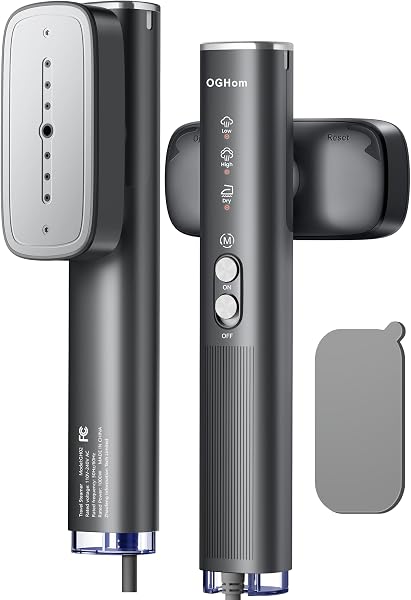
OGHom
Travel Steamer and Iron 2-in-1
A 1,000-watt dual-voltage handheld steamer and iron with three modes (dry, low steam and high steam) and a 120 ml pop-out tank.
Acetate is a semi-synthetic fiber made from cellulose, usually wood pulp, treated to form cellulose acetate and spun into a smooth, shiny thread. It gives satin dresses and linings a silk-like look and drape at a lower cost, but it's weaker than polyester and sensitive to heat.
Updated Oct 23, 2026 · By Jenisha Jonchhe
This page may contain affiliate links. If you buy something through one, we may earn a commission at no extra cost to you. Read our affiliate disclosure.
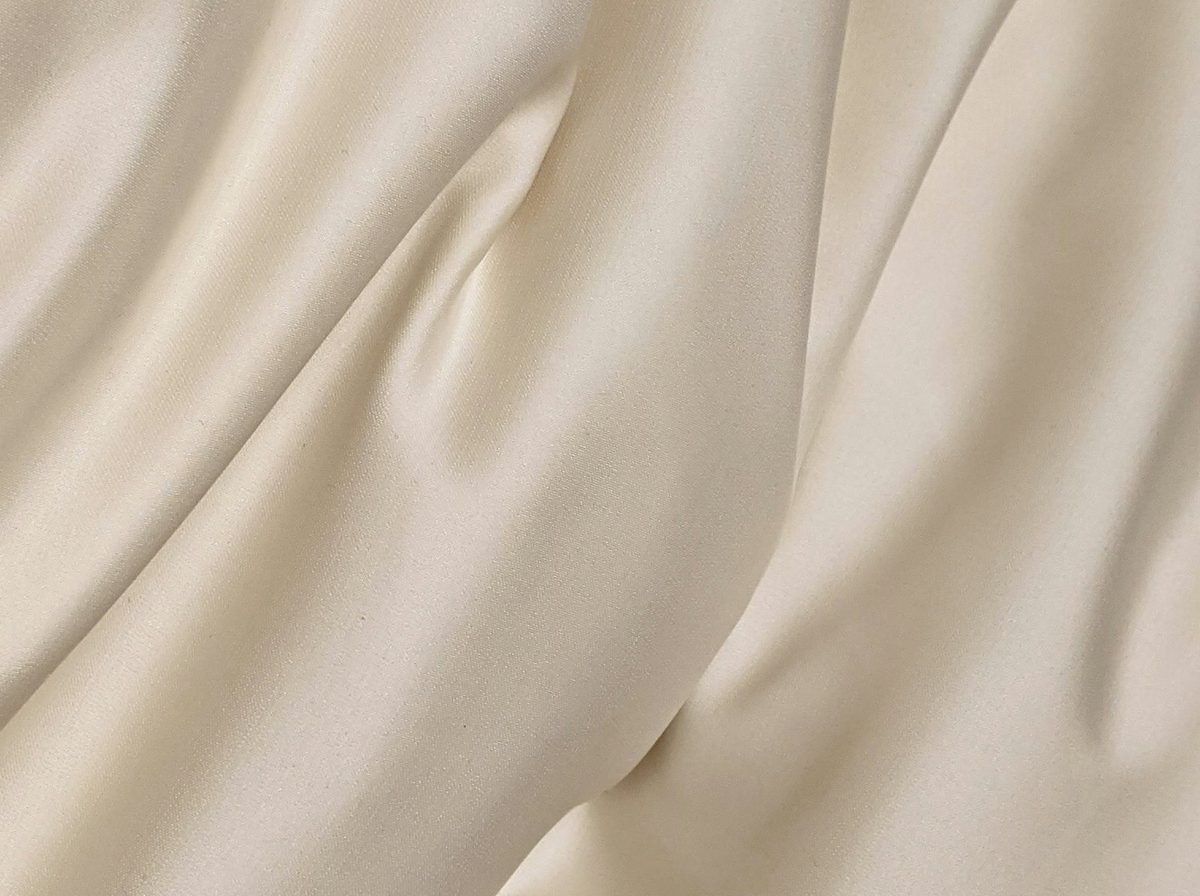
Acetate is a semi-synthetic fiber made from cellulose, usually wood pulp, treated to form cellulose acetate and spun into a smooth, shiny thread. It gives satin dresses and linings a silk-like look and drape at a lower cost, but it's weaker than polyester and sensitive to heat.
If you've found "acetate" on the label of a party dress or inside a jacket, this is what you're dealing with, what it's good at, and the two everyday things that can ruin it.
Acetate fabric starts as purified cellulose, the plant material in wood pulp. The cellulose is reacted with acetic acid to make cellulose acetate, which is dissolved in a solvent and pushed through tiny holes to form long filaments. That's why it's called semi-synthetic: the raw material is natural, but the fiber is made in a factory.
The result is a smooth, lustrous fiber with lovely drape and softness, closer to silk than to most synthetics. You'll find it in:
Acetate is not the same as viscose, though both start from wood cellulose. They are made by different processes and behave differently in wear and in the wash. Our guide to viscose covers the other one.
Satin is a weave, not a fiber, so acetate satin is simply acetate woven in a satin weave. Our guide to satin vs silk explains the difference between the weave and the fiber.
Designers use acetate satin because it gets close to the look of silk satin for less. It has a soft, deep shine rather than the bright, sometimes glassy shine of cheaper polyester satin, and it drapes well. That's why it shows up in evening dresses, bias-cut slips and lined cocktail dresses.
Here's how the three main satins compare:
To know which one you're holding, read the fiber line on the label, not the word "satin" in the product name. Online, look in the product details for the fabric content; a listing that only says "satin" hasn't told you the fiber yet. Many labels list the lining separately too (US rules don't require it for every lining), so check whether a polyester dress has an acetate lining: that lining needs the same gentle care as an acetate dress.
For a satin slip dress at a rehearsal dinner, acetate satin is a good middle ground if you love the silk look but not the silk price.
Acetate is a good material for dresses you wear for occasions and for linings. For everyday clothes that go through the wash every week, it's a weaker choice. Here's the balance.
The good:
The not so good:
Acetate vs polyester is the comparison you'll make most often, because both are used for satin dresses and linings.
If you want a dress that looks like silk for a few special nights, acetate does that well. If you want a dress you can throw in the wash, choose polyester.
Three everyday things can ruin an acetate dress fast:
Heads up
Start with the care label. Many acetate dresses say dry clean, and that's the safest route for a lined or structured piece. If the label allows hand washing, this is the routine:
The routine looks a lot like the one for how to wash a silk dress, and the instinct is the same: cool, gentle and no heat on the face of the fabric. Store acetate on a hanger with some space around it, since it creases easily when crushed in a packed closet.
OGHom
A 1,000-watt dual-voltage handheld steamer and iron with three modes (dry, low steam and high steam) and a 120 ml pop-out tank.
QiNZiN
Three polyester fine-mesh wash bags in small, medium and large, each with a zipper closure; the listing says to fill each bag only about two-thirds full.
Viscose is a fiber made by dissolving plant cellulose, usually from wood pulp, and spinning it back into threads; it's the main type of rayon, and US labels may use either name. Viscose dresses drape softly and feel cool, but the fabric can shrink and wrinkle, so wash it gently and cool.
Updated Oct 31, 2026 · By Jenisha Jonchhe
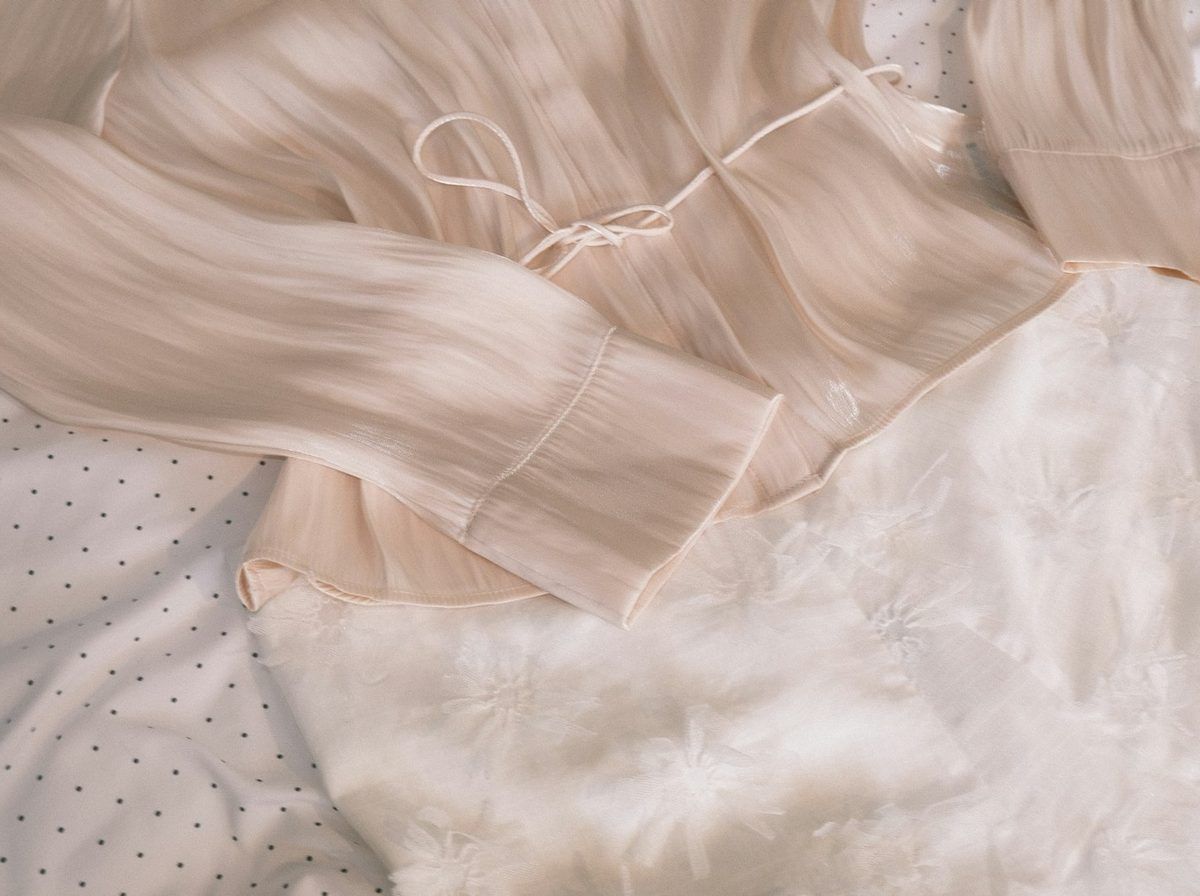
You can wash most silk at home by hand: cool water, a small amount of silk or pH-neutral detergent, a gentle swish for a few minutes, then a rinse and a roll in a towel to press out water, never wringing. Always check the care label first, because lined, structured or brightly dyed silk dresses are often safer with a dry cleaner.
Updated Oct 25, 2026 · By Jenisha Jonchhe

Silk is a natural fiber; satin is a weave with a smooth, shiny face that can be made from silk, polyester, acetate or nylon. So a satin dress can be silk, but polyester satin is widely used for dresses, and the label's fiber content tells you which.
Updated Oct 22, 2026 · By Jenisha Jonchhe
