Style Guide
Most cruises need three kinds of outfit: casual dresses and a cover-up for days at sea and in port, resort-casual dresses for dinner, and one or two cocktail dresses for formal or "elegant" nights. Pack fabrics that don't wrinkle in a suitcase, like jersey, and a wrap for windy decks and cold dining rooms.
Updated Oct 26, 2026 · By Jenisha Jonchhe
Style Guide
Wear one of the Mardi Gras colors (purple, green or gold) in a dress you can move in, then add beads, a mask or a feather boa for the party part. For parades, comfortable boots or sneakers and a layer matter more than the dress.
Updated Oct 26, 2026 · By Jenisha Jonchhe
Style Guide
You can wash most silk at home by hand: cool water, a small amount of silk or pH-neutral detergent, a gentle swish for a few minutes, then a rinse and a roll in a towel to press out water, never wringing. Always check the care label first, because lined, structured or brightly dyed silk dresses are often safer with a dry cleaner.
Updated Oct 25, 2026 · By Jenisha Jonchhe
Style Guide
To dress for your body type, compare your shoulders, bust, waist and hips, then choose dress cuts that balance the widest part with the narrowest. A wrap or A-line dress works on most shapes; the details (neckline, waist seam, skirt volume) are where each shape differs.
Updated Oct 23, 2026 · By Jenisha Jonchhe
Style Guide
To stop a dress clinging right now, run a damp hand or a little lotion over your tights, mist anti-static spray inside the skirt, or brush a metal hanger between the dress and your legs to discharge it. To stop it for good, skip the hot dryer, add a slip between dress and tights, and choose natural fibers when the air is dry.
Updated Oct 23, 2026 · By Jenisha Jonchhe
Style Guide
Semi-formal attire for women is a knee-length or midi dress, a dressy jumpsuit, or a skirt or trousers with a silky top: dressier than work clothes, less formal than a gown. Daytime semi-formal leans lighter in fabric and color; evening semi-formal can take satin, velvet and a little shine.
Updated Oct 23, 2026 · By Jenisha Jonchhe
Style Guide
Acetate is a semi-synthetic fiber made from cellulose, usually wood pulp, treated to form cellulose acetate and spun into a smooth, shiny thread. It gives satin dresses and linings a silk-like look and drape at a lower cost, but it's weaker than polyester and sensitive to heat.
Updated Oct 23, 2026 · By Jenisha Jonchhe
Style Guide
Polyester barely shrinks in a cool or warm wash, because the fiber is set with heat when it's made and doesn't absorb much water. High heat is the risk: a hot dryer or very hot water can shrink it a little, pucker seams or leave a shine, and a polyester blend with cotton or rayon shrinks more than pure polyester.
Updated Oct 22, 2026 · By Jenisha Jonchhe
Style Guide
Silk is a natural fiber; satin is a weave with a smooth, shiny face that can be made from silk, polyester, acetate or nylon. So a satin dress can be silk, but polyester satin is widely used for dresses, and the label's fiber content tells you which.
Updated Oct 22, 2026 · By Jenisha Jonchhe
Style Guide
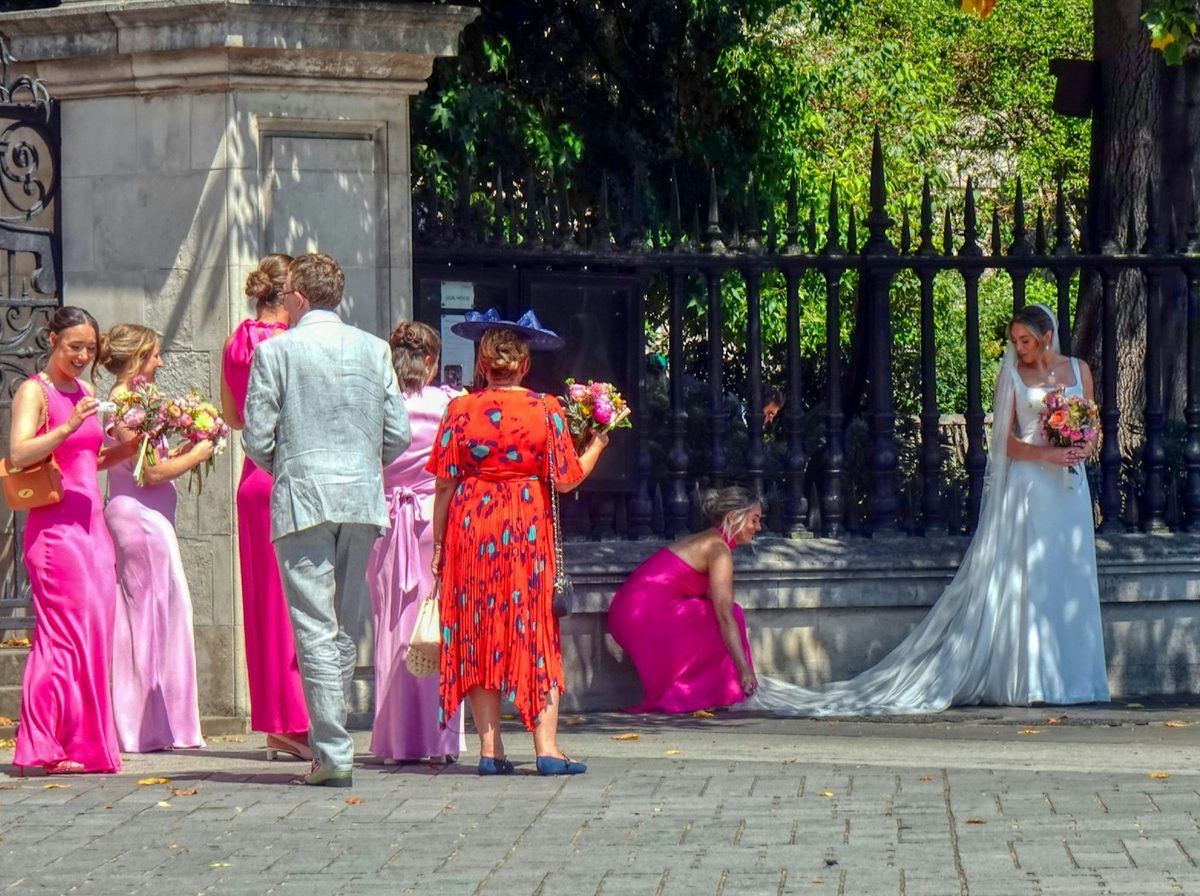
Cocktail attire at a wedding means a dressy knee-length or midi dress, a polished jumpsuit, or a dressy skirt and top. It sits between semi-formal and black tie optional: dressier than a work outfit, shorter and lighter than a gown.
Updated Oct 21, 2026 · By Jenisha Jonchhe
Style Guide
To remove pilling, lay the garment flat on a hard surface and glide an electric fabric shaver or a sweater comb over the pilled areas in light, short strokes, then finish with a lint roller. Pills come back with friction, so wash knits inside out on a gentle cycle and air dry to slow them down.
Updated Oct 21, 2026 · By Jenisha Jonchhe
Style Guide
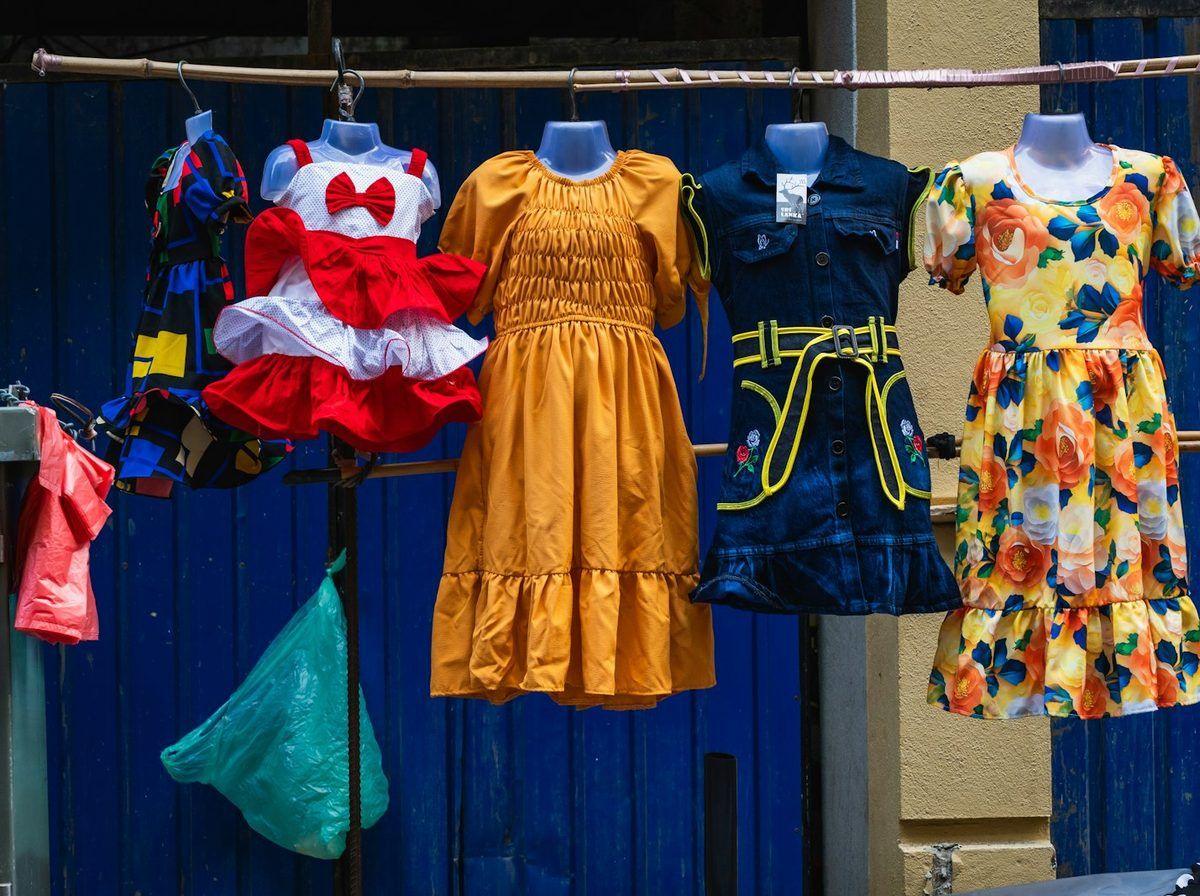
The main types of dresses are defined by their silhouette: A-line, sheath, shift, fit-and-flare, empire waist, drop waist, wrap and bodycon. Style names like slip, shirt, sweater and corset dress describe the fabric or a detail, and most dresses are one silhouette plus one style.
Updated Oct 21, 2026 · By Jenisha Jonchhe